

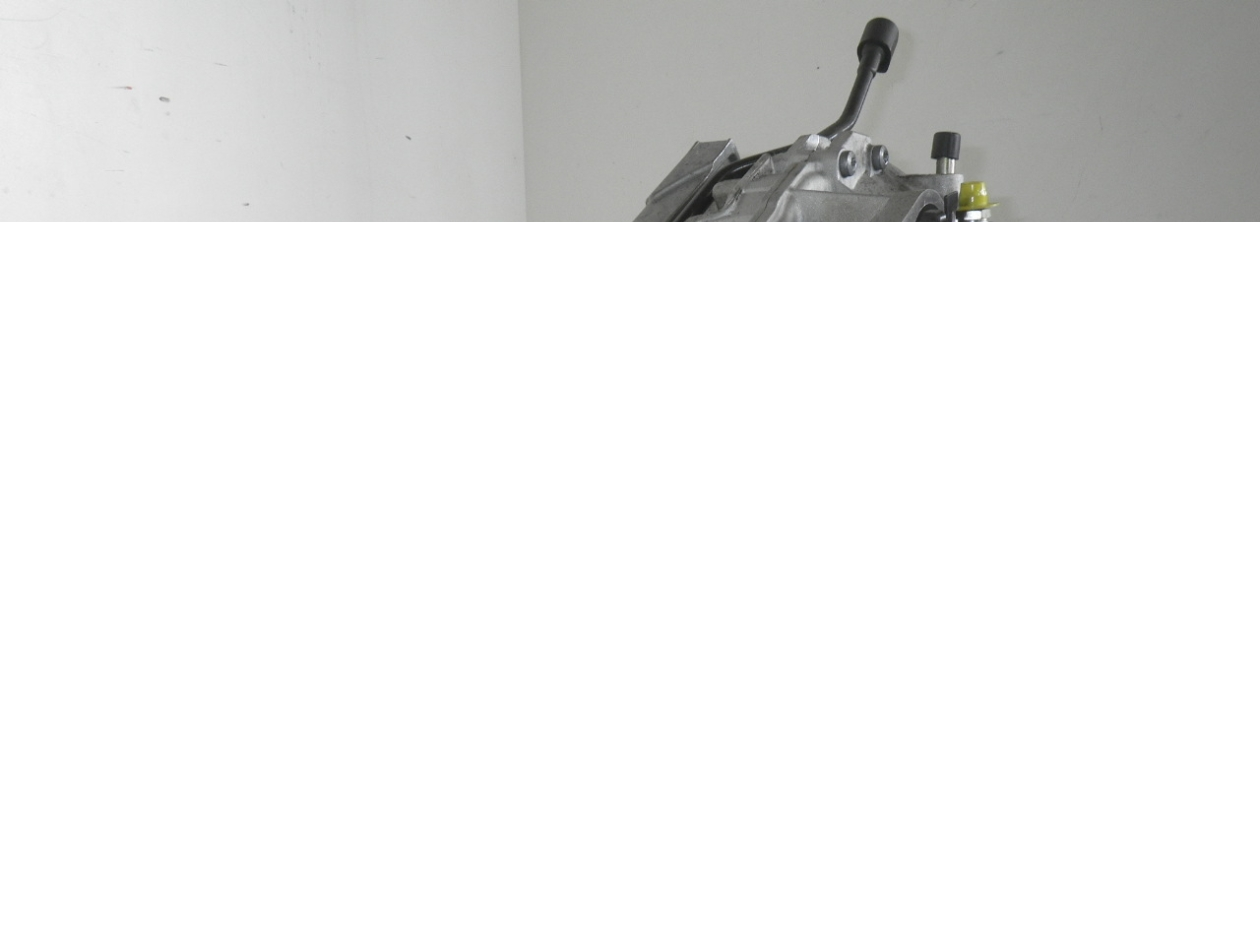

A Mercedes-Benz automatic gearbox control unit manages how the transmission selects gears, changes ratios and communicates with other vehicle systems. When this module fails, you may notice limp mode, harsh gear changes, selector faults, transmission warning messages or a complete loss of Drive or Reverse.
Picture this. You start your Mercedes in the morning, move the selector into Drive, and the car either hesitates, jerks, or refuses to respond properly. For a driver, it feels stressful. For a workshop, it can quickly become a time-consuming diagnostic job.
The expensive mistake is replacing the gearbox control unit before checking the exact part number, gearbox type and software compatibility.
That is why correct module selection matters so much. A Mercedes gearbox control module is not always chosen solely by model year. The original module reference, vehicle version, transmission type, and coding requirements must all match before replacement.
What does a Mercedes-Benz automatic gearbox control unit do?
The gearbox control unit is the electronic brain behind the automatic transmission. Depending on the model, Mercedes-Benz may refer to related systems as TCU, TCM, EGS, VGS or ISM.
In simple terms, the module helps control:
- Gear selection
- Shift timing
- Communication with the engine ECU
- Torque management
- Gearbox adaptation values
- Selector position signals
- Safety and limp mode behavior
On many Mercedes-Benz models, the gearbox system consists of several interconnected parts. The transmission controller may communicate with the engine ECU, ABS, electronic selector, immobilizer system and dashboard. If one of these signals is missing or incorrect, the car may enter limp mode to protect itself.
Older Mercedes automatics, such as 5G-Tronic 722.6, often use EGS-style control units. Later 7G-Tronic 722.9 systems may use VGS or ISM-related modules. Newer 9G-Tronic vehicles can use more integrated control systems, where software compatibility becomes even more important.
Common symptoms of a faulty Mercedes-Benz automatic gearbox control unit
A faulty gearbox control unit can cause symptoms that mimic mechanical gearbox failure. In many workshop cases, however, the root cause is electronic, software-related or communication-based.
Common signs include:
- The gearbox is stuck in one gear
- Limp mode after starting or driving
- Harsh, delayed or sudden gear changes
- No Drive or Reverse
- Gear selector not responding
- “Transmission fault” or gearbox warning message
- Fault codes for TCU, TCM, EGS, VGS or ISM communication
- Intermittent starting issues linked to the selector position
- Car not recognizing Park or Neutral
- Gearbox adaptations are failing or not completing
- Dashboard warning lights appear with gearbox faults
One useful point to remember: these symptoms do not always prove that the gearbox control module has failed. Low battery voltage, damaged wiring, corroded connectors, gearbox oil contamination, selector faults or mechanical transmission problems can create similar behavior.
A proper diagnostic scan should come before ordering parts.
TCU, TCM, EGS and ISM: what do these terms mean?
Mercedes-Benz gearbox electronics can feel confusing because different names are used across models and transmission generations. Here is a simple breakdown.
| Term | What it usually means | Why it matters |
| TCU | Transmission Control Unit | General term for the gearbox control module |
| TCM | Transmission Control Module | Often used interchangeably with TCU |
| EGS | Electronic Gearbox System | Common Mercedes term for gearbox control electronics |
| ISM | Intelligent Servo Module or selector-related module | Often linked to gear selection and transmission communication |
A Mercedes TCU, TCM, EGS or ISM may not be interchangeable, even if the part looks almost identical. Two modules can share the same housing but contain different software or coding data.
Why correct module selection matters before replacement
This is where many buyers make a costly mistake.
A Mercedes-Benz gearbox control unit should be selected based on the original module details, not just by the car model. For example, two Mercedes E-Class vehicles from the same year may use different gearbox control modules depending on engine type, gearbox code, production date, software version or drivetrain setup.
Before replacement, always check:
- Original module part number
- Hardware reference
- Software number, if visible
- Vehicle model and year
- Engine size and fuel type
- Gearbox type or transmission code
- Diagnostic fault codes
- Connector type and module housing
- Required preparation method
An incorrect module can cause new communication faults, coding errors or gearbox adaptation problems. In some cases, the car may not start or may refuse to select gears.
If you are comparing replacement options, ECUSale lists tested Mercedes-Benz gearbox control unit modules, with part numbers and module references available for verification before purchase.
Used, tested, cloned, Virgin or Plug & Play: which option do you need?
Not every replacement gearbox control module is ready to fit straight away. The correct option depends on the Mercedes model, gearbox type, software data and the relationship between the immobilizer and the software.
| Option | What it means | When it may suit | What to check first |
| Used module | Removed from another vehicle | Budget replacement | Previous vehicle data may cause issues |
| Tested module | Checked before sale | Safer replacement choice | Confirm exact reference |
| Cloned module | Data copied from the original unit | When the original data can be read | The original module must be readable |
| Virgin module | Reset to factory-like state | When coding a vehicle is needed | Diagnostic tools may be required |
| Plug & Play module | Prepared for easier installation | When the supplier confirms compatibility | Vehicle and part details must match |
| Programmed module | Coded or adapted for the car | Workshop-based replacement | VIN, software and gearbox type matter |
A used gearbox control module may require programming, cloning, Virgin preparation or Plug & Play adaptation. It depends on the vehicle. No responsible supplier should promise that every used Mercedes gearbox module will work without checks.
How replacement usually works in a workshop
A good workshop process starts with diagnosis, not guessing.
First, the technician confirms the symptoms and scans the car with a suitable diagnostic tool. Next, they check fault codes, live data, selector position, CAN communication, power supply, ground points and connector condition.
After that, the original module reference is compared with the replacement unit. If the module needs cloning, Virgin preparation or coding, this should be planned before fitting.
A typical process may look like this:
- Confirm gearbox symptoms
- Read diagnostic fault codes
- Check battery voltage and wiring
- Inspect connectors for oil, water or corrosion
- Identify the original module reference
- Select a compatible replacement
- Prepare, clone or code the module if needed
- Install and perform adaptations
- Road test the vehicle
- Recheck for stored or returning faults
This avoids the common problem of fitting a part too early, only to discover that the original fault was wiring, voltage or software-related.
Why testing automotive electronic modules reduces buying risk
Untested used control modules are a gamble. They may come from a damaged vehicle, carry old coding data, or fail once fitted under real operating conditions.
That is why a tested automatic gearbox control unit is usually a better option for workshops and vehicle owners who want to reduce downtime. ECUSale supplies tested automotive electronic modules and provides product details that help buyers compare part numbers before ordering.
For UK garages, this matters because a single wrong module can cost hours of diagnostic time. For drivers, it can mean extra labor costs, delayed repairs and more uncertainty.
A tested module does not remove the need for correct matching, but it does reduce the risk of buying an unknown part with hidden faults.
Common mistakes to avoid when choosing a Mercedes gearbox control module
A common mistake is buying only by registration number or model name. Those details help, but they are not enough on their own.
Avoid these mistakes:
- Assuming all Mercedes gearbox modules are interchangeable
- Buying only by year and model
- Ignoring the original module label
- Failing to check the gearbox type
- Forgetting about software compatibility
- Expecting every used module to be Plug & Play
- Replacing the module before checking the wiring
- Ignoring low voltage or CAN communication faults
- Buying an untested part from an unknown source
In many cases, the original reference number is more reliable than a general vehicle description. If the label is damaged, a workshop may still be able to identify the unit through diagnostics or Mercedes-specific tools.
Quick diagnostic checklist before replacement
Before buying a Mercedes-Benz automatic gearbox control unit, check these points:
- Does the vehicle show gearbox-related fault codes?
- Is the battery voltage stable?
- Are the power and ground feeds correct?
- Are connectors clean and dry?
- Is there oil contamination near the transmission plug?
- Does the selector position show correctly in live data?
- Has the original module part number been confirmed?
- Does the replacement need coding, cloning or Virgin preparation?
This short checklist can prevent wrong orders and unnecessary part replacement.
FAQs
What are the signs of a faulty Mercedes-Benz automatic gearbox control unit?
Common signs include limp mode, harsh gear changes, no Drive or Reverse, selector faults, communication fault codes and gearbox warning messages. Diagnosis is still needed because wiring, voltage and mechanical gearbox issues can create similar symptoms.
Can I fit a used Mercedes gearbox control unit without programming?
Sometimes, but often not. Many used modules contain data from the previous vehicle. Depending on the model, the unit may need programming, cloning, Virgin preparation or Plug & Play adaptation.
Is a Mercedes TCU the same as a TCM or EGS module?
TCU and TCM are general terms for transmission control modules. EGS is a Mercedes-related gearbox control term. The exact module type depends on the model, gearbox and system design.
Why does the part number matter so much?
The part number helps confirm hardware and software compatibility. A module that looks the same may still be wrong if the internal software, gearbox type or vehicle version does not match.
Can a faulty gearbox control unit cause limp mode?
Yes. A faulty Mercedes gearbox control unit can cause limp mode if the vehicle detects unsafe shifting, communication failure or incorrect gearbox data.
What is a Plug & Play gearbox control unit?
A Plug & Play unit is prepared to make installation easier. However, compatibility still depends on the correct part number, vehicle details and module preparation.
Do Mercedes gearbox control modules need cloning?
Some do. Cloning may be needed when the original module contains important vehicle-specific data. If the original unit is unreadable, a Virgin or programmed replacement may be required instead.
Where can I buy a tested Mercedes-Benz gearbox control unit?
You can buy tested Mercedes-Benz gearbox control unit options from specialist suppliers such as ECUSale. Always check the original module reference before ordering.
Conclusion
A faulty Mercedes-Benz automatic gearbox control unit can cause limp mode, harsh shifting, selector problems, warning messages and serious drivability issues. But replacement should never be based on guesswork.
The correct module depends on the original reference number, vehicle version, gearbox type, hardware details and software compatibility. Used modules may also require programming, cloning, Virgin preparation or Plug & Play adaptation before they work correctly.
Before ordering, check the reference number on your original module. If you are unsure, contact ECUSale with your part number, vehicle details and fault information so the correct Mercedes-Benz gearbox control unit can be selected.
