



Performance engineering sounds glamorous. It conjures images of racetracks and supercars. The reality is far more interesting. It is also more practical. Real-world performance engineering solves everyday problems. It makes cars safer, more efficient, and more enjoyable.
This work is not about chasing tenths of a second. It is about improving the daily driving experience. Let’s look past the hype. Let’s explore the grounded, useful side of making cars better.
The Power of Predictable Power
Performance is not just about top speed. It is about accessible power. A car needs torque at low engine speeds. This helps you merge onto a busy highway. It helps you pass a slow truck on a two-lane road. Engineers focus on the power band. They want a flat, wide curve of torque. This gives the driver confidence. A practical performance engine delivers its power smoothly. It does not have a sudden, scary power peak.
The common 3.6 GM engine found in many family vehicles is a great example. It is not a race engine. Its performance engineering delivers linear, responsive power. This makes daily driving less stressful and more secure. You have power when you need it, without drama.
Braking Performance: The Most Important Upgrade
Great acceleration is useless without great braking. This is where practical performance engineering shines. It focuses on brake feel and consistency. The goal is a firm pedal that does not fade. You should feel in control during repeated stops. Engineers work on brake cooling. They design dust shields to direct air to the rotors.
They might use larger brake booster units. This work does not make headlines. It prevents accidents. It gives the driver a direct, reassuring connection to the road. Stopping confidently is a performance feature you use every single day.
Suspension Tuning for Real Roads
Race car suspensions are brutally stiff. They are terrible for public roads. Practical performance tuning is different. It seeks a balance. The suspension must control body roll in corners. It must also absorb potholes and bumps. Engineers use advanced software to model spring rates and shock valving. They often include multiple drive modes.
A Comfort mode softens the ride for the highway. A Sport mode firms it up for a winding back road. This adaptability is the height of practical performance. It lets one car handle many different situations well.
Steering Feel and Communication
A great steering system talks to you. It provides clear feedback about the road surface. It tells you how much grip the front tires have. That feedback is only as good as the condition of the tyres themselves, which is why many drivers choose to inspect their tread regularly and book tyre fitting before worn rubber begins to compromise handling and braking performance. This communication is a safety feature. It helps you avoid losing control.
Performance engineers spend countless hours tuning steering racks. They adjust the power assistance curve. They fine-tune the alignment geometry. The goal is a natural, intuitive feel. You should not have to guess what the car is doing. This direct connection makes driving more engaging and safer.
Thermal Management for Consistency
Performance fades when things overheat. Practical engineering fights this. It ensures systems work consistently. This means larger radiators. It includes transmission and power steering fluid coolers. Engine oil coolers are common on performance-tuned family cars.
This thermal capacity prevents fade during a long mountain drive. It also protects the components during a hot summer traffic jam. The car performs the same on the first corner as it does on the twentieth. This reliability under stress is a critical, unsung aspect of performance.
The Gearbox as a Performance Partner
The transmission is a performance multiplier. A good automatic transmission shifts quickly and smoothly. It always seems to be in the right gear. Practical performance engineering focuses on shift logic. The software must understand driver intent. It should hold a gear going up a hill. It should downshift promptly for a passing maneuver.
Some systems even have a brake coach function. They downshift during braking to provide engine braking. This improves control and saves the brake pads. A smart gearbox makes the whole car feel more responsive and willing.
Aerodynamics for Efficiency and Stability
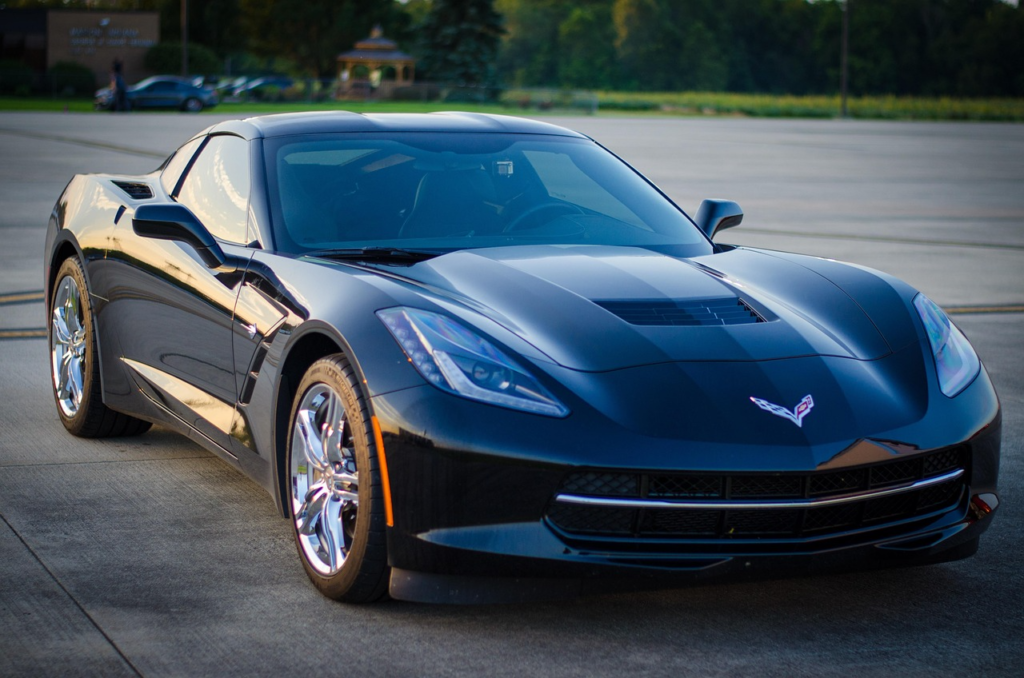
Aerodynamics are not just for race cars. They have massive practical benefits. A sleek shape reduces wind noise in the cabin. It also improves high-speed stability. The car feels planted on the highway. It is less buffeted by crosswinds and passing trucks.
Active aerodynamics take this further. A rear spoiler might deploy at high speed. This increases downforce for better grip. It retracts for better fuel economy at lower speeds. These features enhance safety and comfort. They make high-speed travel more relaxed and controlled.
The Human Interface: Seats, Pedals, and Visibility
True performance engineering considers the driver. A supportive, comfortable seat is essential. It holds you in place during cornering. It also prevents fatigue on a long trip. Pedals should be well-spaced for heel-and-toe driving. The throttle should have a linear response. Visibility is crucial.
Thin windshield pillars reduce blind spots. This helps you see traffic and pedestrians. These human-factor designs do not add horsepower. They make the existing performance usable and enjoyable. They connect you to the machine.
The Takeaway
The practical side of performance engineering is about enhancing the ordinary. It is about building confidence and control. It makes a car feel secure in the rain. It makes a tight parking maneuver easier. It turns a daily commute into a small pleasure.
This kind of engineering does not shout. It simply makes every drive a little bit better. That is the most valuable performance upgrade of all.
