

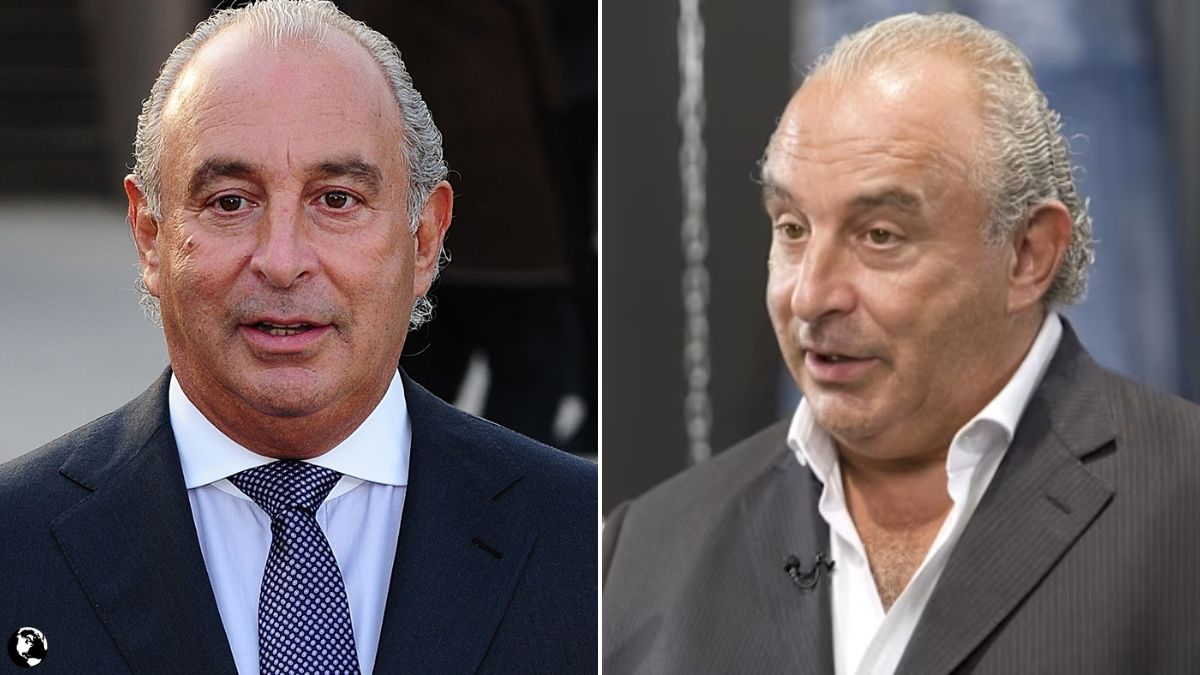

Born on March 15, 1952, in London, Sir Philip Green is a British retail mogul best known for building the Arcadia Group, which once owned iconic high-street brands like Topshop and BHS. Starting his career in fashion retail, Green expanded his business empire through strategic acquisitions and revitalization of struggling brands. At the height of his success, he became one of the wealthiest men in the UK, with a net worth exceeding £4 billion. Despite his achievements, his legacy is marred by controversy, including the collapse of BHS and its pension scandal. Green’s rise and fall have made him a notable figure in the retail world, leaving a lasting impact on British fashion and business.
The Rise of Philip Green
Philip Green was born on March 15, 1952, in London, England. Raised in a family with a history in the retail sector, Green quickly became drawn to business. His career began in the fashion world, where he quickly earned a reputation as a savvy businessman. By the early 1990s, Green had acquired a number of fashion businesses, eventually consolidating them into the Arcadia Group.
Early Business Ventures
Philip Green’s journey to success started when he acquired several underperforming retail chains, turning them into profitable enterprises. His first major acquisition was the clothing chain C&A, which he bought and turned into a profitable business. His expertise in fashion retail allowed him to buy struggling companies, improve their management, and revitalize their brands.
The early 2000s marked a period of rapid expansion for Green. Arcadia Group grew to encompass a vast portfolio of well-known high street brands, cementing Green’s status as one of the UK’s leading retail magnates.
Building the Arcadia Group Empire
In the height of his success, Philip Green controlled the Arcadia Group, a retail empire that employed thousands of people and was a staple in the UK high street scene. Brands such as Topshop, Topman, BHS, Dorothy Perkins, and Miss Selfridge were all part of his portfolio. These brands made up a significant portion of the UK retail landscape and were immensely popular among young shoppers.
Green’s empire was built on the concept of mass-market fashion, offering affordable clothing while maintaining the illusion of high-end style. Topshop, in particular, became a high-street fashion icon, attracting a range of customers from all walks of life. This business model made Green’s retail empire not only successful but also influential in shaping modern British fashion.
A Powerful Business Strategy
Philip Green was known for his aggressive business tactics. He was a dealmaker, often acquiring companies that were in financial distress and turning them into profitable brands. His ability to spot potential in struggling companies allowed him to grow his empire rapidly. Green’s vision for Arcadia was clear: build an accessible and affordable fashion brand that would cater to the masses while offering a trendy, chic experience.
The Fall of Philip Green: Scandals and Financial Crisis
Despite his early successes, Philip Green’s fall from grace was equally dramatic. In the mid-2010s, his retail empire began to crumble under the weight of mounting debt, business mismanagement, and several scandals. The most significant blow came in the form of the collapse of BHS, one of the largest department stores in the UK.
The BHS Scandal
In 2015, Green sold BHS for a mere £1, and within a year, the retailer went bankrupt, leaving thousands of employees without jobs and a massive pension deficit. This scandal attracted widespread media attention and public outrage, particularly over Green’s handling of the company’s finances. Many believed Green had sold BHS off to enrich himself while leaving the company’s pensioners vulnerable. This event marked the beginning of the end for his retail empire.
The BHS bankruptcy led to Green facing legal battles and scrutiny from the British Parliament. He was accused of stripping assets from BHS and failing to adequately protect its pension scheme. Although Green denied any wrongdoing, the damage to his reputation was irreversible, and the scandal tarnished his once-pristine image.
Philip Green Net Worth and Lavish Lifestyle
At the height of his career, Philip Green was one of the wealthiest men in the UK. His net worth was estimated at over £4 billion, largely derived from his control over the Arcadia Group. His lavish lifestyle, which included a fleet of yachts, private jets, and luxury properties, further fueled public fascination with the billionaire businessman.
Philip Green Yacht: The Lionheart
One of the most public symbols of Green’s wealth was his yacht, the Lionheart. The yacht, worth over £100 million, became an iconic representation of his lavish lifestyle. It was frequently spotted in the Mediterranean and was a symbol of Green’s success and affluence. However, in the wake of his financial troubles, the yacht became a controversial topic, with many questioning whether Green should be allowed to enjoy such luxuries after the collapse of BHS.
Family Life: Philip Green Daughter
Philip Green’s personal life has also attracted significant attention. His daughter, Chloe Green, is a well-known socialite and fashion entrepreneur. Chloe has occasionally been in the public eye for her high-profile relationships and her involvement in various business ventures. Despite the controversies surrounding her father, Chloe has managed to build her own career, with her clothing line, Chloe Green Footwear, gaining some recognition in the fashion world.
The Legacy of Philip Green
While Philip Green’s business empire has largely collapsed, his influence on the retail industry is still felt today. His acquisition strategies and fashion-forward thinking shaped the modern high street in ways that continue to influence retail businesses.
Green’s story serves as a cautionary tale about the dangers of corporate greed and mismanagement. His downfall was swift, but it has left a lasting impact on the UK retail landscape. Many of the brands that once thrived under Green’s leadership are now shadows of their former selves, with some being acquired by other retail giants or forced to close down altogether.
The Impact on British Retail
Philip Green’s rise and fall reflect broader shifts in the retail sector. His focus on high-street fashion and aggressive expansion set the tone for a generation of British retailers. However, his business missteps also highlight the vulnerability of such a model, especially when faced with changing consumer behaviors, e-commerce growth, and economic downturns.
Conclusion
Philip Green’s journey from retail mogul to disgraced businessman is one of the most dramatic in modern British business history. From the heights of Arcadia Group’s success to the fall of BHS and his subsequent financial troubles, Green’s story serves as a poignant reminder of the fragile nature of empire-building. While his net worth and luxurious lifestyle may have been the envy of many, his legacy is now defined by the scandals and controversies that followed him throughout his career.
As we reflect on the rise, fall, and legacy of Philip Green, we see a man who, for better or worse, changed the retail landscape in ways that continue to resonate today.
