

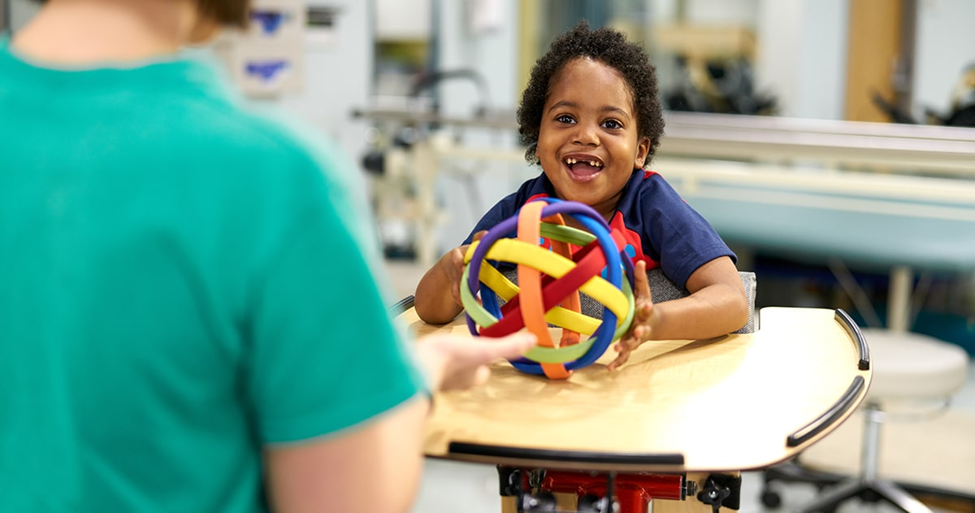

Attention-deficit/hyperactivity disorder (ADHD) is a common neurodevelopmental condition that affects a child’s ability to focus, control impulses, and manage behavior. Children with ADHD may face challenges in school, social interactions, and daily routines.
Occupational therapy (OT) is an important supportive approach that helps children develop essential life skills. It focuses on improving attention, coordination, emotional regulation, and independence through structured and engaging activities.
Understanding how occupational therapy supports children with ADHD can help parents make informed decisions about their child’s development and well-being.
What Is ADHD?
ADHD is characterized by patterns of inattention, hyperactivity, and impulsivity that can interfere with daily functioning.
Common Symptoms of ADHD
- Difficulty focusing on tasks
- Frequent distraction
- Impulsive behavior
- Hyperactivity or restlessness
- Trouble following instructions
These symptoms may vary in severity and can affect learning and behavior.
What Is Occupational Therapy?
Occupational therapy helps individuals develop skills needed for everyday activities.
Goals of Occupational Therapy
- Improve focus and attention
- Enhance motor skills
- Develop social skills
- Support emotional regulation
- Increase independence
For children with ADHD, occupational therapy provides practical strategies to manage daily challenges.
How Occupational Therapy Helps Children with ADHD
Occupational therapists use structured techniques to support development.
1. Improving Focus and Attention
Children with ADHD commonly struggle to stay focused.
Techniques Used
- Task breakdown into smaller steps
- Structured routines
- Visual schedules
- Attention-building exercises
These strategies help children complete tasks more effectively.
2. Enhancing Sensory Processing
Many children with ADHD have sensory processing challenges.
Sensory Integration Techniques
- Activities that regulate sensory input
- Use of swings, weighted items, or tactile tools
- Calming exercises
These approaches help children respond better to their environment.
3. Developing Motor Skills
Some children with ADHD may have difficulty with coordination and fine motor skills.
Skill Development Activities
- Handwriting exercises
- Cutting and drawing activities
- Balance and coordination tasks
Improving motor skills supports academic and daily activities.
4. Supporting Emotional Regulation
Managing emotions can be challenging for children with ADHD.
Emotional Support Strategies
- Identifying emotions
- Practicing calming techniques
- Teaching coping skills
- Encouraging positive behavior
These methods help children respond appropriately in different situations.
5. Building Daily Living Skills
Occupational therapy helps children become more independent.
Skills Focused On
- Dressing and grooming
- Organizing schoolwork
- Time management
- Following routines
These skills are essential for everyday functioning.
In Indore, many parents seeking structured support for their child’s development commonly look for the best occupational therapist in Indore to design personalized therapy plans and improve daily functioning.
Techniques Used in Occupational Therapy for ADHD
Therapists use a variety of evidence-based techniques.
Behavior Management Strategies
- Positive reinforcement
- Reward systems
- Consistent routines
These strategies encourage desirable behaviors.
Cognitive and Attention Training
- Memory games
- Problem-solving activities
- Focus-building tasks
These exercises improve attention and cognitive skills.
Environmental Modifications
Adjusting the child’s environment can make tasks easier.
Examples include:
- Reducing distractions
- Organizing study areas
- Using visual reminders
These changes support better concentration.
Role of Parents in Occupational Therapy
Parental involvement is important for success.
How Parents Can Help
- Follow therapy recommendations at home
- Maintain consistent routines
- Encourage the practice of learned skills
- Provide positive reinforcement
Consistency between therapy sessions and home practice improves outcomes.
Benefits of Occupational Therapy for ADHD
Occupational therapy offers several long-term benefits.
Key Benefits
- Improved focus and attention
- Better emotional control
- Enhanced social skills
- Increased independence
- Improved academic performance
These improvements help children function more effectively in daily life.
When Should You Consider Occupational Therapy?
Early intervention can make a significant difference.
Signs That Therapy May Help
- Difficulty concentrating
- Trouble completing tasks
- Poor coordination
- Behavioral challenges
- Difficulty managing daily routines
Consulting a professional can help determine the need for therapy.
Combining Occupational Therapy with Other Treatments
Occupational therapy is usually a part of a comprehensive care plan.
Additional Support Options
- Behavioral therapy
- Educational support
- Medical management (if needed)
A combined approach provides well-rounded care.
Frequently Asked Questions
What does an occupational therapist do for ADHD?
They help children develop skills for focus, behavior, coordination, and daily activities through structured exercises.
Is occupational therapy effective for ADHD?
Yes, it can improve attention, behavior, and independence when used consistently.
How long does therapy take?
The duration varies depending on the child’s needs and progress.
Can occupational therapy be done at home?
Yes, therapists commonly provide exercises and strategies for home practice.
At what age should therapy start?
Therapy can begin as soon as challenges are identified, usually in early childhood.
Conclusion
Occupational therapy plays an important role in supporting children with ADHD. By focusing on attention, behavior, motor skills, and daily routines, it helps children develop essential life skills.
With early intervention, personalized care, and consistent support from parents, children with ADHD can improve their ability to focus, regulate emotions, and perform daily tasks. A structured and supportive approach can make a meaningful difference in their overall development and quality of life.
