

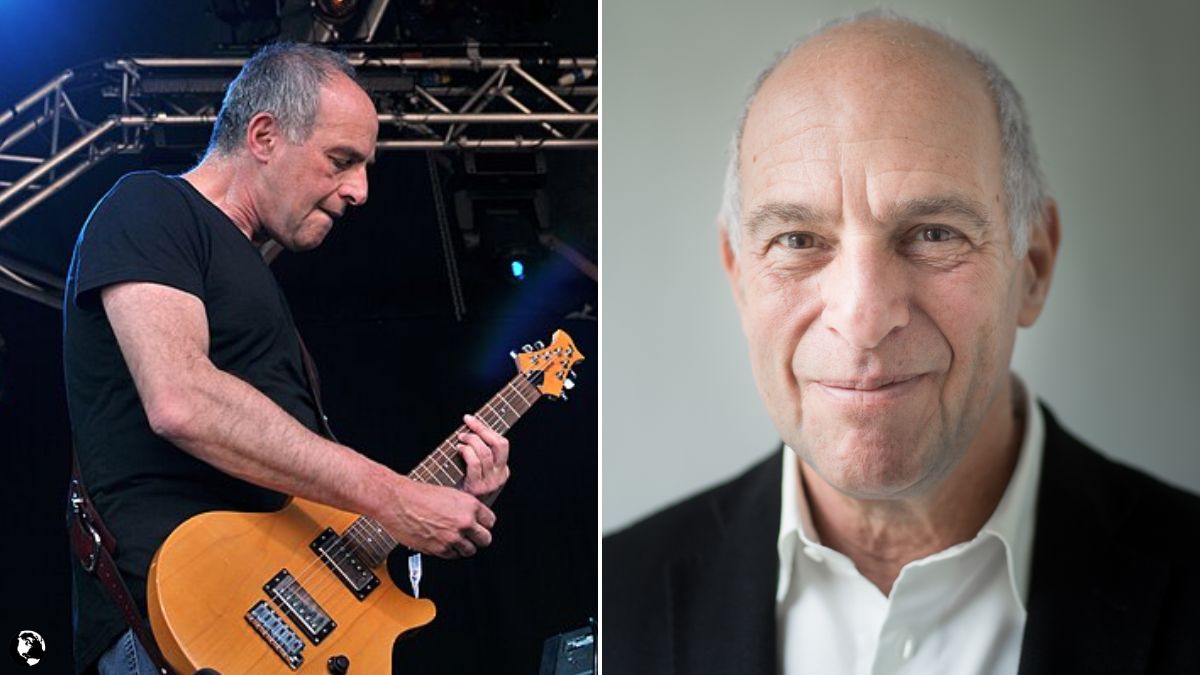

Loyd Grossman built a career that crosses disciplines without losing coherence. His work in television, publishing, food, and heritage reflects a consistent interest in culture—how people live, what they eat, and how they preserve the past. His recognisable voice made him a fixture on British screens, but his influence extends far beyond presentation.
Early Life and Education
Born in Boston, he developed an early interest in history and storytelling. His academic path led him through Boston University and later University of Cambridge, where he refined his understanding of cultural narratives.
Journalism came first. Writing for major publications, he learned to observe detail and communicate clearly—skills that later shaped his broadcasting style. This foundation explains the analytical tone that distinguishes his television work.
Television Career and Breakthrough
His television career gained momentum with Through the Keyhole. The format relied on curiosity and deduction, but its success depended heavily on the presenter’s ability to guide attention. He delivered that with precision, balancing wit with control.
His involvement in MasterChef brought a different dimension. Cooking competitions require authority without overshadowing participants. He approached the role with restraint, allowing the process to remain central while maintaining a clear narrative for viewers.
This combination—measured delivery, intellectual framing, and distinctive tone—made his presence durable rather than fleeting.
Influence on Food Media
Food television changed significantly during his years on screen. Programmes began to treat cooking as a discipline rather than casual entertainment. Presentation shifted toward technique, judgement, and standards.
His contribution lies in this transition. He helped position food as something to evaluate seriously while keeping it accessible. That balance shaped how audiences understood cooking shows and influenced later formats that emphasised competition and expertise.
From Screen to Kitchen: A Food Brand Takes Shape
The move into food products did not come from branding alone; it followed years of engagement with culinary culture. The development of loyd grossman sauces reflected a clear intention: to offer convenience without lowering expectations of flavour.
The product range focused on familiar dishes executed with care. loyd grossman bolognese sauce became widely recognised for its depth, aiming to replicate the slow-cooked character of a traditional recipe. loyd grossman pizza base addressed a different need, giving home cooks a reliable starting point for building their own dishes.
These products succeeded because they respected the user’s role in cooking. They did not replace skill; they supported it. That distinction helped define the brand’s identity and longevity.
Cultural Heritage and Public Service
Work in heritage preservation forms a significant part of his public life. His involvement with English Heritage reflects a sustained commitment to protecting historical environments.
This role required more than advocacy. It involved decision-making about conservation, funding, and public access. His background in history provided context, but the work demanded practical judgement—how to maintain relevance while preserving authenticity.
By engaging directly with heritage institutions, he contributed to the broader conversation about national identity and cultural responsibility.
Writing and Intellectual Work
Before television recognition, writing defined his career. Articles and commentary demonstrated an ability to connect cultural topics with everyday experience. His style avoids excess while remaining engaging, a balance that carried over into broadcasting.
He also authored books that explore history and society, extending his role as a communicator beyond the screen. This body of work reinforces a consistent theme: curiosity directed toward understanding how culture evolves.
Personal Approach and Public Image
Public figures often rely on reinvention, but his career shows continuity instead. Whether presenting, writing, or working in heritage, the same qualities appear—clarity, control, and intellectual engagement.
His public image reflects professionalism rather than spectacle. That consistency has allowed him to remain relevant without constant visibility. It also explains the trust associated with his work, particularly in areas requiring authority, such as food and heritage.
Enduring Legacy
The lasting influence of Loyd Grossman comes from the way different aspects of his career connect. Television introduced him to a wide audience, but it did not define him entirely. Food products extended his reach into daily life, while heritage work grounded his contributions in long-term cultural value.
He demonstrated that media presence can lead to substantive impact when guided by clear interests and disciplined execution. His work continues to shape how audiences engage with cooking, broadcasting, and historical preservation.
Conclusion
Loyd Grossman’s career illustrates how varied pursuits can align around a central idea: cultural engagement. From television studios to supermarket shelves and historic sites, his work reflects a consistent approach to quality and meaning.
His influence remains visible in modern food media, consumer expectations around prepared ingredients, and ongoing efforts to preserve historical spaces. Rather than following trends, he built a body of work that connects disciplines and retains relevance over time.
FAQs
1. What made Loyd Grossman distinctive as a television presenter?
His delivery combined clarity, curiosity, and control, allowing programmes to maintain focus while remaining engaging.
2. How did he contribute to food culture?
He helped shift cooking shows toward seriousness and later developed products that supported home cooking without compromising flavour.
3. What defines his food brand?
An emphasis on quality ingredients and practical use, particularly in sauces designed to complement rather than replace cooking skills.
4. What role did he play in heritage preservation?
He worked with English Heritage, contributing to decisions about conservation and public access to historical sites.
5. Why has his career remained relevant?
Consistency in approach and a focus on meaningful work across media, food, and culture have sustained his influence.
