

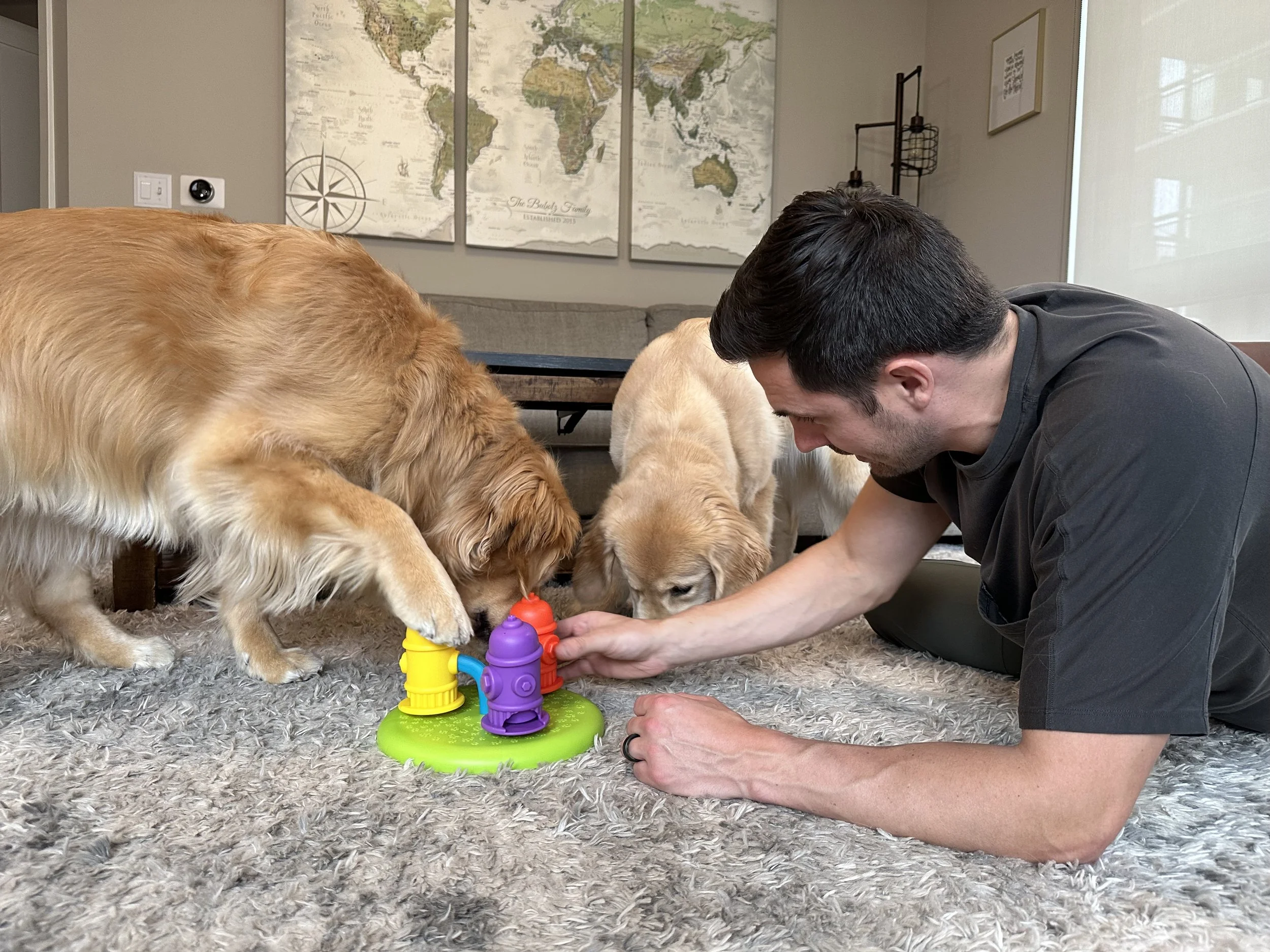

A dog does not merely require food, water, and a brisk walk. What dogs also require at home is safe fun, understanding focus, and how to exercise energy in a healthy way. Even a pretty dog can get bored when those needs are not met.
Most owners assume they leave their dog to wait until the day is over because they work longer hours. The truth is that short stretches of supervised play may do nearly as well as a long walk. This is where dog day care ideas can inspire an improved home routine. Supervised play provides dogs with structure, comfort, and a healthy outlet, and still fits into a busy schedule.
Why Busy Dogs Have a Hard Time at Home
Dogs are social creatures. So, spending long hours on their own can be disorienting. Some dogs sleep it out, others bark, chew furniture, pace, or trail their owners through rooms as they re-enter. In many cases, these behaviours indicate unfulfilled mental and physical needs, rather than poor etiquette.
A dog that lacks sufficient stimulation can also grow fidgety in other nuanced ways. It can lick its paws, sit by the window for a long time, or be bored by things that were once fun. With time, this low-level frustration may impact:
- Mood
- Confidence
- Behaviour
Defining Supervised Play
Monitored play is not wilderness without boundaries. It involves keeping the owner alert, setting the speed or selecting the right toys. This keeps this play fun rather than becoming a stressor.
It also lets the owner observe what the dog likes the most. Dogs may be fond of tug play. But some prefer puzzle toys. A play that fits the dog feels both satisfying and soothing simultaneously.
How It Lifts a Dog’s Mood
Supervised play can enable dogs to expend energy in a healthy manner. It breaks the boring hours and provides them with something clear. Even that could break up boredom and make the house less lonely.
Trust between dogs and owners is also fostered through play. Another thing that makes a dog feel safer at home is showing them kindness in games. This emotional stabilisation is as important as exercise.
Guided Play at Home
A dog can be kept entertained without a big garden or costly gear. Well-done short sessions tend to be helpful compared to unfocused long ones. It is not about filling every minute, but about leaving your dog contented with small moments.
Explore some easy choices that match your dog’s age, size, and energy. These concepts are functional since they are simple to control and consume less time. They also provide variety to your dog that keeps the routine fresh.
Keeping Play Safe and Balanced
Safety should influence the decisions you make. This is because not all games suit all dogs. Puppies might require softer forms of activity. Small objects like cutting wire should also be handled carefully.
Stopping when your dog gets overstimulated is another key point. Symptoms comprise excessive jumping, grabbing, sharp barking, or unresponsiveness to simple prompts. Quitting at the appropriate time teaches discipline and makes the following session positive.
To sum up, supervised play is most effective when it is integrated into everyday life. A quick pre-working session can form a schedule that your dog detects. When good things follow a predictable pattern, dogs feel better.
