

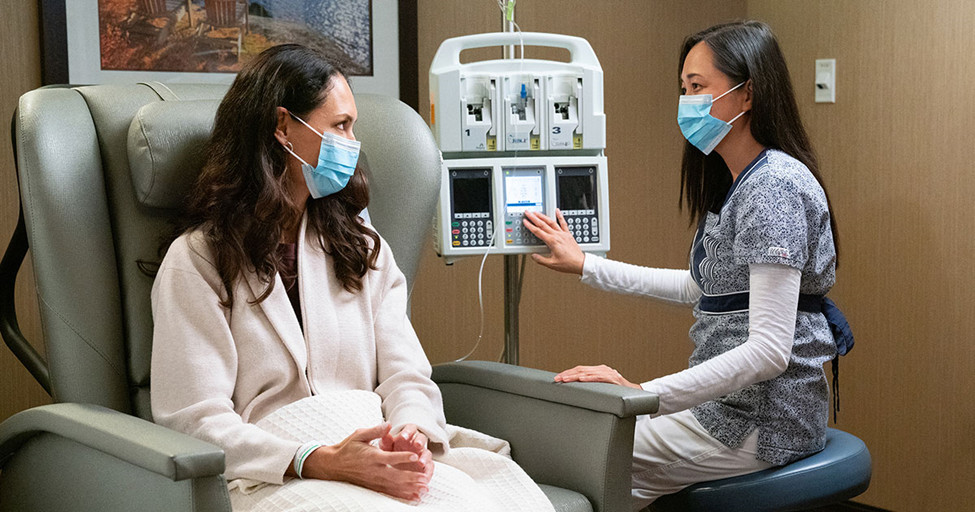

Cancer treatment has evolved significantly over the past decade. Today, advances in oncology are improving survival rates, reducing side effects, and offering more personalized care options for patients.
Modern oncology focuses not only on treating cancer but also on enhancing quality of life. With innovations such as immunotherapy, targeted therapy, and advanced diagnostics, patients now have access to more effective and less invasive treatment options.
In cities like Delhi, these advancements are increasingly available, helping patients benefit from cutting-edge cancer care.
Understanding Modern Oncology Treatment
Traditional cancer treatments include:
- Surgery
- Chemotherapy
- Radiation therapy
While these methods are still widely used, modern oncology has introduced more targeted and personalized approaches. These advancements aim to:
- Precisely target cancer cells
- Reduce damage to healthy tissues
- Improve long-term outcomes
Immunotherapy: Boosting the Body’s Defense
Immunotherapy is one of the most significant breakthroughs in cancer treatment. It works by strengthening the body’s immune system to recognize and destroy cancer cells.
Types of Immunotherapy
- Checkpoint inhibitors: Help immune cells attack cancer more effectively
- Monoclonal antibodies: Target specific cancer cells
- Cancer vaccines: Stimulate immune response
Recent developments show that immunotherapy is being used for more cancer types and continues to expand rapidly.
Benefits
- More targeted treatment
- Fewer side effects compared to chemotherapy
- Long-term cancer control in some cases
Targeted Therapy: Precision Treatment
Targeted therapy focuses on specific genetic mutations or proteins that drive cancer growth.
How It Works
- Identifies molecular changes in cancer cells
- Uses drugs to block these changes
- Prevents cancer from growing and spreading
Advantages
- Personalized treatment approach
- Reduced harm to healthy cells
- Commonly combined with other therapies
This approach is part of a broader shift toward precision medicine, where treatments are tailored to individual patients.
CAR-T Cell Therapy: A Revolutionary Approach
CAR-T cell therapy is a cutting-edge form of immunotherapy that uses a patient’s own immune cells to fight cancer.
How CAR-T Therapy Works
- T cells are collected from the patient
- Modified in a lab to target cancer cells
- Reintroduced into the body to attack tumors
This therapy has shown remarkable success, especially in blood cancers like leukemia and lymphoma.
Recent Advances
- Expansion into solid tumor treatment
- Improved targeting techniques
- Combination therapies for better outcomes
Research continues to improve its effectiveness and safety.
Precision Oncology and Personalized Medicine
Precision oncology uses genetic testing to customize treatment plans.
Key Components
- Genomic profiling of tumors
- Biomarker-based therapy selection
- Tailored drug combinations
Experts highlight that personalization is a major focus in modern cancer care, improving treatment accuracy and outcomes.
Liquid Biopsy: Early Detection and Monitoring
Liquid biopsy is a non-invasive test that detects cancer through blood samples.
Benefits
- Early cancer detection
- Monitoring treatment response
- Detecting recurrence
This technology reduces the need for invasive procedures and allows continuous tracking of disease progression.
AI and Technology in Oncology
Artificial intelligence is transforming cancer diagnosis and treatment planning.
Applications
- Early detection through imaging analysis
- Predicting treatment outcomes
- Assisting doctors in decision-making
AI is helping improve accuracy and speed in cancer diagnosis and care delivery.
Combination Therapies: A New Standard
Doctors increasingly use a combination of treatments to improve effectiveness.
Examples
- Immunotherapy + chemotherapy
- Targeted therapy + radiation
- CAR-T therapy + antibody treatments
Combination therapies can enhance treatment outcomes and reduce resistance to single therapies.
Advances Available in Delhi
Delhi has become a major center for advanced oncology care in India. Patients can access:
- State-of-the-art cancer hospitals
- Multidisciplinary treatment teams
- Advanced diagnostic and treatment technologies
For example, many patients seek treatment at a cancer hospital in Delhi where modern therapies like immunotherapy, targeted therapy, and precision oncology are integrated into care plans for better outcomes.
Benefits of Modern Oncology Advances
- Improved survival rates
- Reduced treatment side effects
- Personalized care plans
- Better quality of life
These advancements are changing how cancer is treated and managed worldwide.
Limitations and Considerations
While modern treatments offer many benefits, there are some challenges:
Cost and Accessibility
Advanced therapies can be expensive and may not be accessible to all patients.
Side Effects
Even newer treatments can cause side effects that require monitoring.
Not Suitable for All Patients
Some therapies work only for specific cancer types or genetic profiles.
Frequently Asked Questions
What is the most advanced cancer treatment available today?
Immunotherapy and CAR-T cell therapy are among the most advanced treatments currently available.
Is immunotherapy better than chemotherapy?
It depends on the cancer type. Immunotherapy may have fewer side effects, but chemotherapy is still essential in many cases.
What is precision oncology?
It is a personalized approach where treatment is based on the genetic makeup of the tumor.
Are advanced cancer treatments available in Delhi?
Yes, Delhi offers access to modern treatments like targeted therapy, immunotherapy, and advanced diagnostics.
What is a liquid biopsy?
A blood test used to detect cancer and monitor treatment without invasive procedures.
Can cancer be cured with new treatments?
Some cancers can be cured, while others can be managed effectively for long periods with advanced therapies.
Conclusion
Oncology treatment has entered a new era of innovation, with breakthroughs in immunotherapy, targeted therapy, and precision medicine transforming patient care. These advancements are making cancer treatment more effective, personalized, and less invasive.
For patients in Delhi and beyond, access to modern oncology care offers new hope and improved outcomes. Staying informed about these advancements can help patients and families make better decisions about cancer treatment and care.
