

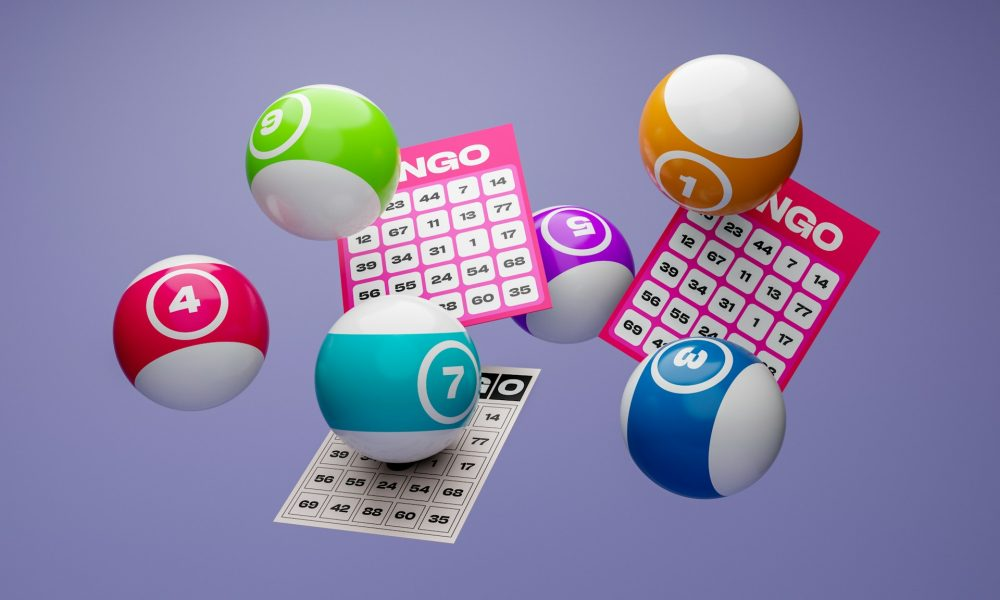

Lotteries have always been a kind of quiet global ritual — you buy a ticket, you dream, you wait. But in the last two decades that ritual has moved online, and technology has turned a neighborhood habit into a worldwide industry. The scale is obvious when jackpots make headlines across continents, but the deeper change is less flashy: how numbers are drawn, how tickets are sold, and how trust is built.
From tumblers to algorithms
For decades, people trusted shiny mechanical tumblers and numbered balls. They were visible; they looked fair. Then Random Number Generators (RNGs) entered the scene. RNGs are software or hardware systems that produce a sequence of numbers indistinguishable from true randomness for practical purposes. They’re faster, cheaper to run, and — if implemented and audited correctly — just as fair as a physical draw. Regulators and operators now require strict testing and certification so the public can be confident the outcomes aren’t being manipulated.
RNGs do raise eyebrows. Should you worry about invisible code deciding fortunes? Not if the process is transparent: independent audits, public testing reports, and real-time monitoring are part of the modern playbook. That’s how integrity is preserved in an age when the draw can be a datacenter process rather than a televised event.
Selling tickets without borders
Online platforms have changed the marketplace dramatically. You no longer need to live in Texas to play Powerball; you don’t have to be in Spain to try the Spanish Christmas Lottery. Platforms such as Lottoland allow users to buy numbers for international lotteries like Powerball or the Spanish Christmas Lottery without geographical restrictions. This has broadened the player base and, yes, it means jackpots can capture global attention in an instant.
But this borderless model needs guardrails. Different countries have different rules about gambling, taxation, and prize claims. Reputable platforms comply with local laws, run responsible-gaming programs, and clearly explain terms. When they don’t, trouble follows — fines, blocked access, loss of trust.
How tech changed the player experience
Smartphones did the heavy lifting. Mobile apps, secure payment systems, push notifications — all of that made playing more immediate and social. Now you can syndicate tickets, set number reminders, and get instant alerts when a draw hits. Data analytics also let operators tailor promotions and monitor suspicious behavior, which helps detect fraud and problem gambling earlier than ever.
There’s another quiet effect: community. Social feeds amplify wins and near-misses, and that social proof draws more players in. It’s emotional, sometimes irrational, and definitely human.
The tension: convenience vs protection
Here’s the crux: easier access is powerful but risky. Regulators and operators must balance growth with consumer protection. That means clearer age verification, spending limits, and better public education about odds. It also means independent testing of RNGs and transparent reporting — trust can’t be claimed, it has to be shown.
Final thoughts
Will lotteries keep growing globally? Probably. Technology makes it easy to scale, and people keep dreaming.
The industry’s evolution hinges on making the digital transition successful. The old promise of fairness, once guaranteed by transparent physical machines, is now upheld by the rigor of mathematical algorithms governing Random Number Generators. Trust in the modern lottery is no longer about watching a ball drop; it’s about auditing the code that determines the outcome. Moving forward, continued integrity requires better oversight, smarter protections, and more honest marketing, ensuring that the digital draw remains both fun and fair.
What do you think — is the new, digital lottery better than the old, noisy draw? Leave a comment below and share your take.
