

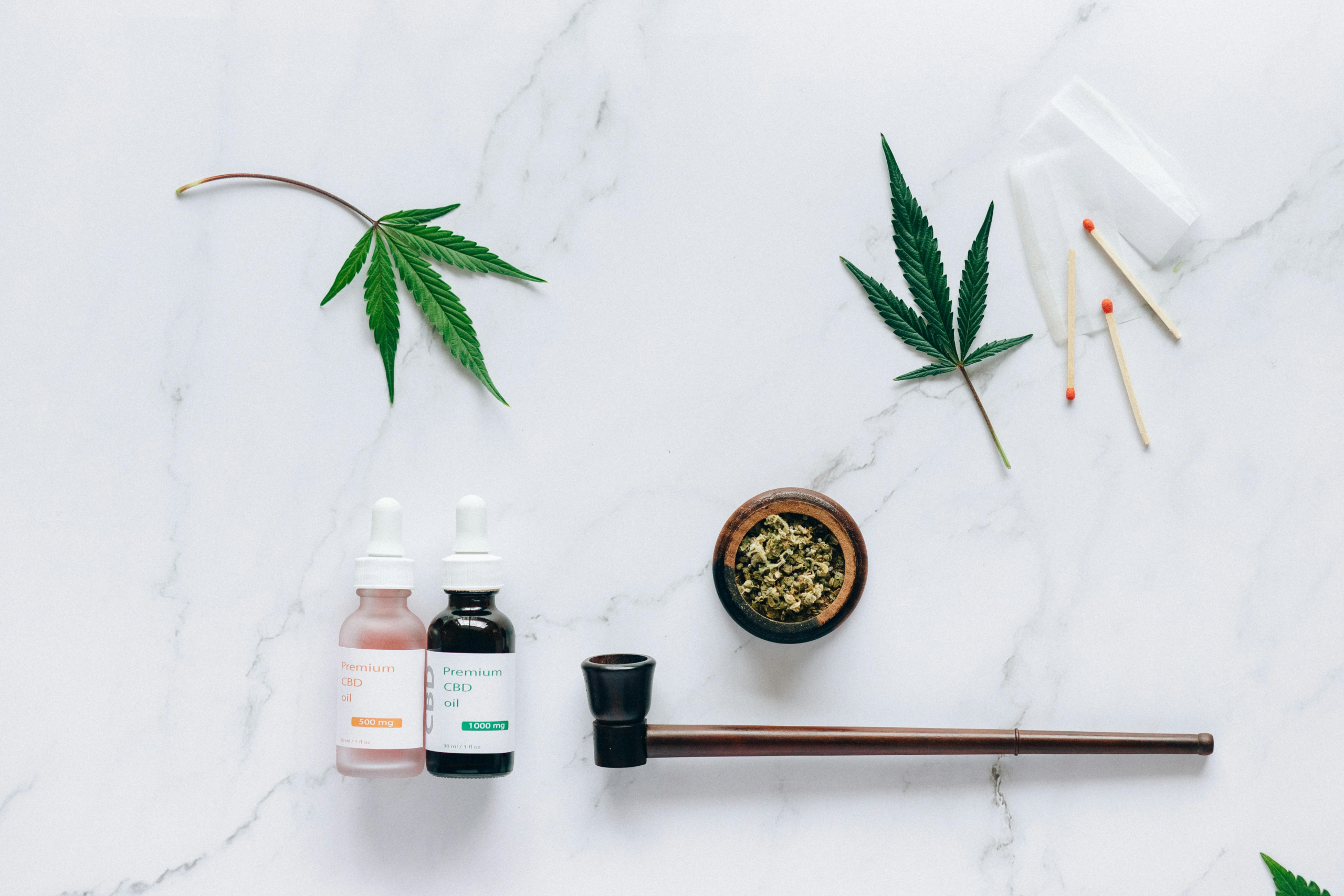

The British healthcare system has also seen changes in the recent past, which have created a framework for the prescription of cannabis-based products to help in the management of pain. This is particularly true in situations where conventional medication has been ineffective.
Chronic pain is one of the most challenging conditions to manage, as it affects the quality of life and can influence the ability to perform certain functions. After the legalisation of cannabis for medicinal use in the UK in 2018, specialist consultants have been able to consider the use of cannabis for patients living with chronic pain.
This has encouraged a more personalised approach to pain management, in which quality of life is considered.
Moving Beyond Traditional Pain Management
Living with constant pain can be an all-encompassing experience that affects how you go about your day, how you interact with the world and how you approach your job. When traditional medicine is no longer able to alleviate the condition, it is reasonable to seek new avenues that may provide greater relief.
Modern medicine is shifting away from a “one size fits all” approach and instead moving towards more personalised care that addresses the fact that pain affects everyone differently.
This includes the fact that, for some, pain can be an emotional and mental experience that can affect mood, sleep and cognitive ability as well. The key to all of this is the endocannabinoid system, which is an intricate endogenous system that regulates homeostasis in the body.
The key to how medical marijuana might interact with this system and how it might affect the experience of pain is still being studied. The key, however, is that there is a need for a safe and controlled environment that is overseen by those who understand the nature of chronic pain and how it can affect an individual.
Navigating the Path to New Treatments
For many patients, the road to relief has already been long. You may find that existing approaches, including lower back pain treatments or medications for nerve-related discomfort, have reached a point where progress stalls. This is often when clinicians begin discussing more specialised options.
Importantly, these treatments are designed to work alongside healthy routines and physical rehabilitation, not replace them.
Clinical pathways typically involve a structured process:
- Expert consultation, where a specialist reviews your full medical history
- Personalised dosing, tailored to your specific symptoms and tolerance
- Continuous monitoring, allowing progress and side effects to be tracked
- Holistic support, combining physical therapy and mental wellbeing strategies
This step-by-step approach ensures that care remains measured and patient-focused.
Finding the Right Clinical Environment
Safety is always the priority when considering any change in treatment. In the UK, the only legal way to access these medicines is through a specialist.
Finding the best medical cannabis clinic means choosing a setting that prioritises transparency, regulation and evidence-based care. These clinics operate under strict oversight, ensuring patient welfare is never compromised.
Clinical environments offer a level of consistency that informal sources cannot. Every prescription is carefully tested for purity and precise cannabinoid content. This professional oversight provides predictability and reassurance, allowing you to be confident that your treatment is being managed responsibly and in accordance with UK medical standards.
The Patient Experience in a Clinical Setting
A medical approach to cannabis bears little resemblance to the stereotypes often portrayed in popular culture. Patients undergo thorough screening to identify contraindications and potential interactions with existing medications.
This process involves detailed discussions of medical history and prior treatment outcomes, ensuring that decisions are made collaboratively rather than in haste.
Trust plays a central role. You are not simply processed through a system but engaged in an ongoing conversation about realistic goals, whether that means improved mobility, better sleep or returning to work.
Clinics typically follow a “start low and go slow” titration strategy, carefully adjusting doses to balance effectiveness with tolerability.
Research into these treatments continues to expand, particularly for nerve-related and musculoskeletal pain. While outcomes vary, many patients value having an additional, clinically supervised option when traditional medications cause side effects or no longer help. Progress is measured gradually, with patient safety guiding every stage of care.
Looking Forward with Informed Caution
The medical community is cautiously optimistic and additional data are being collected. Patient registries and studies are continually improving the understanding of how these treatments fit into modern medicine. If you are someone who has felt stuck in a cycle of ineffective treatment, this is a big shift towards more individualised support.
While any new treatment requires professional advice, if your current treatment plan is no longer effective, a clinical consultation can help you evaluate what is currently available and what your expectations should be. By choosing a regulated, specialist-led route, you are placing your treatment within a system designed to prioritise your needs over quick fixes.
