

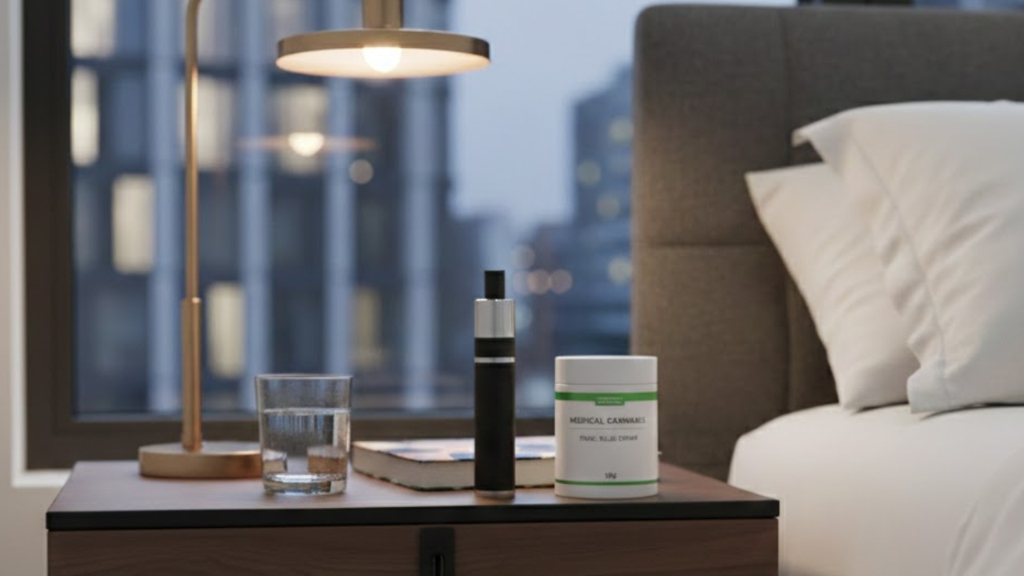

Poor sleep affects millions of people across the world and in the UK. In fact some 37 million people in the UK, more than half of all adults, don’t get the reccomended seven to nine hours sleep per night. Lack of restful sleep can result in many poor health outcomes later in life, and clinical insomnia can be a very distressing condition. Established medical treatments for poor sleep include cognitive behavioural therapies and sleeping pills (z drugs) or benzodiazepines. However, these drugs are often expensive on the NHS and have their own limitations and side effects. Is there another option?
Increasingly, legal medical cannabis from private clinics is of interest to patients in the UK suffering with insomnia. As well as researchers and scientists studying it further. Historically, cannabis has been considered a sleep aid for thousands of years, although clinical research was needed to confirm its efficacy and safety for modern medical purposes. That research is very promising on many fronts for at least short-term treatment of insomnia, although the effects on long term sleep are less clear. Nevertheless, thousands of people in the UK with chronic insomnia, or restlessness caused by other conditions like chronic pain, now legally treat their their symptoms with medical cannabis. This is what you need to know about it.
What the Research Says about Cannabis and Sleep
There are more and more research papers on medical cannabis piling up every year. Around 4000 were published in 2025, which is a new high. Being a global health issue of some importance, a significant percentage of these have looked at medical cannabis and sleep.
In terms of patient-reported analysis, one large study of patient-reported data from the UK Medical Cannabis Registry determined that a statistically significant majority of more than 1000 sleep impaired patients self-reported improved quality of sleep after starting treatment.
One patient survey from 2022 found that 39% of patients reduced or ceased treatment with prescription sleep medications after starting with medical cannabis.
Systematic analyses of clinical trials have found evidence of at least moderate improvement of sleep quality and length for patients with chronic pain. Other meta-studies have shown more pronounced benefits getting patients with insomnia to fall asleep faster (sleep latency), but overall sleep quality remained disturbed.
Those looking to see what cannabis medicines can do for their problems with sleep should consult a Care Quality Commission licensed clinic. To find the best medical cannabis clinic UK shores have to offer they might need some help. Expert comparison and review sites are a good start, helping patients narrow down the options for their specific needs.
The Science and the Pharmacology Behind the Effects
The main compounds in cannabis are THC (Tetrahydrocannabinol) and CBD (Cannabidiol). These each have different effects on sleep, although they both interact with the human body’s endocannabinoid system.
To simplify, THC is known to promote the brain to release the neurotransmitter adenosine and the hormone melatonin. These both, in turn, promote tiredness and sleepiness through the body’s nervous system. The reality is highly dose, strain and tolerance dependent, which is why medical cannabis should always be approached through licensed care providers.
Because CBD is legal and available on the high street without a prescription needed, the market is a busy one. Therefore, understanding which are the best CBD products is important. Expert review sites bridge this gap with customer and patient experiences of both commercially available products and prescription only medicines, as well as professional opinion and analysis.
CBD is known to influence pathways in the body involved in serotonin, GABA and adenosine production. Neither cannabinoid directly results in sleep like conventional hypnotic medication – medical cannabis won’t make you fall asleep where you stand – but it does modulate the body’s systems than can cause anxiety and disturb sleep.
Risks and Context – The Situation in the UK Today
In the UK, medical cannabis can be and is legally prescribed for insomnia right now. There may be fewer clinical trials than the NHS medicines regulator the National Institute for Healthcare Excellence (NICE) wants to see before they agree to prescribe it on the NHS more widely. However, licensed private doctors and clinics are confident enough in the evidence to do so – and thousands of people are seeing the benefits across the UK today.
This patient-reported data says the majority of people who have disturbed sleep or difficultly falling asleep report at least short to medium term improvements in their condition when starting medical cannabis treatment.
On the other hand, the science does not say medical cannabis should not be considered a cure all for healthy sleep. There is evidence that its benefits for sleep may fall off with long-term treatment, and it’s effects on objective sleep quality measurements need more research. However, current medications for severe insomnia and chronic pain are not without their drawbacks either.
Clinical supervision and patient follow up care from qualified clinicians is still required for the best health outcomes, and by law, and more high quality research is needed. However, the results so far from clinical analyses, and real patient experiences, are certainly promising. And at the end of the day, if more people can experience better sleep then society will be better off for it.
