

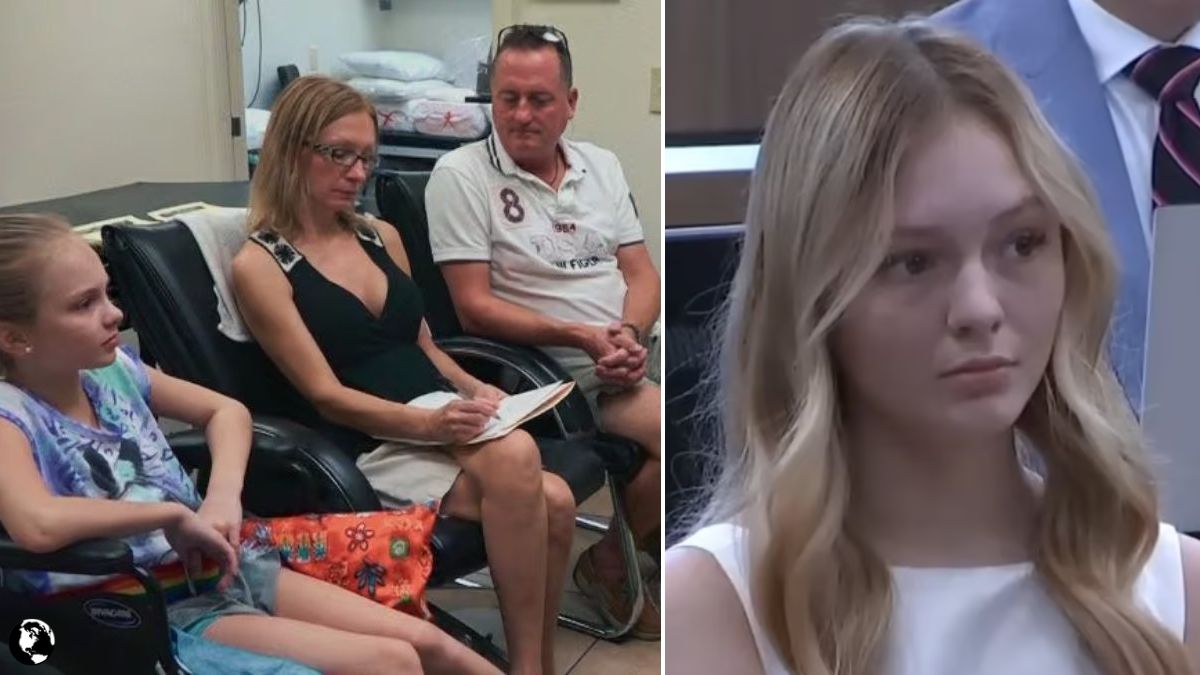

The story of Maya Kowalski is one of the most unsettling intersections of medicine, law, and family rights in recent years. What began as a child’s struggle with severe, unexplained pain evolved into a prolonged separation from her parents, a mother’s tragic death, and a courtroom battle that exposed deep fractures in how complex medical cases involving children are handled.
The Netflix documentary Take Care of Maya brought the details of this case into public view, but the full story extends far beyond the film. To understand what happened—and why it continues to resonate—it is necessary to examine the medical decisions, institutional responses, legal rulings, and personal consequences that shaped Maya’s life.
Who Maya Kowalski Is
Maya Kowalski was born in 2006 and grew up in Florida with her parents, Beata and Jack Kowalski. By elementary school, her life had already become defined by intense and persistent pain that limited her mobility and disrupted daily activities.
Doctors eventually diagnosed Maya with Complex Regional Pain Syndrome (CRPS), a rare neurological condition characterized by chronic pain that can be disproportionate to any known injury. CRPS is difficult to treat, poorly understood, and often disputed within the medical community—facts that would later become central to her case.
At the time the conflict began, Maya was still a child. Her age influenced how her symptoms were evaluated, how treatment decisions were interpreted, and how authority was exercised over her care.
The Medical Crisis That Started Everything
By 2015, Maya’s condition had worsened significantly. Traditional pain treatments had failed, and her family sought more aggressive options. Under the guidance of specialists outside Florida, Maya received ketamine infusions—an unconventional but legally permitted treatment for severe CRPS in certain cases.
When Maya was admitted to Johns Hopkins All Children’s Hospital in 2016, disagreements quickly emerged. Hospital physicians questioned both the diagnosis and the treatment approach. They expressed concern that the level of medication being requested posed serious risks.
Rather than resolving these disagreements through consultation or transfer of care, the situation escalated.
How a Hospital Stay Became a Legal Case
Hospital staff contacted child protective services, alleging possible medical child abuse. The concern was that Maya’s mother was exaggerating or inducing symptoms to justify extreme treatments.
As a result, Maya was placed under state supervision and separated from her parents. Beata Kowalski was barred from seeing or directly caring for her daughter for months.
From the family’s perspective, this intervention removed parental authority without proof of harm. From the hospital’s perspective, it was a precaution taken in the interest of child safety. The lack of consensus, communication, and independent review became a defining feature of the case.
The Death of Beata Kowalski and Its Impact
In January 2017, while the custody dispute was ongoing, Beata Kowalski died by suicide.
Her death transformed the conflict from a medical disagreement into a tragedy with irreversible consequences. For Maya, the loss of her mother compounded the trauma of prolonged hospitalization and separation. For the legal system, it raised serious questions about proportionality, accountability, and emotional harm.
The family later alleged that institutional actions contributed directly to Beata’s deteriorating mental health.
Inside the Trial and Jury Decision
Years later, the Kowalski family brought a civil lawsuit against the hospital. The claims included false imprisonment, battery, and emotional distress.
The trial revealed internal hospital communications, testimony from medical experts on both sides, and detailed accounts of Maya’s treatment and confinement. Jurors were asked to decide not whether CRPS existed, but whether the hospital’s actions exceeded reasonable medical and legal authority.
The jury ultimately ruled in favor of the Kowalski family, awarding substantial damages. The decision reflected a belief that the hospital caused unnecessary harm through its handling of the case.
What Happened After the Verdict
Following the jury decision, legal challenges and appeals altered the trajectory of the case. Portions of the award were contested, and higher courts examined whether the hospital’s actions were protected under mandatory reporting laws.
This phase underscored the complexity of balancing child protection statutes with civil liability. The outcome also demonstrated that even decisive jury rulings can be reshaped through appellate review.
The legal process highlighted unresolved tensions between institutional immunity and individual accountability.
Maya Kowalski Life Today
Today, Maya Kowalski lives largely outside the public spotlight. She continues managing chronic health issues while focusing on education and personal recovery.
She has spoken publicly about the importance of patient dignity and the emotional consequences of not being believed. Rather than framing her experience as a singular injustice, Maya often emphasizes the broader need for compassion in complex medical cases.
Her life now reflects both resilience and the long-term effects of childhood trauma.
Why This Case Still Matters
The significance of the Maya Kowalski case extends beyond one family. It has influenced national conversations about:
- How rare diseases are evaluated
- The threshold for removing parental medical decision-making
- Oversight of child protection interventions
- Transparency within hospital systems
For families navigating complex diagnoses, the case illustrates the risks of adversarial approaches to care. For institutions, it serves as a reminder that authority must be exercised with restraint, documentation, and empathy.
Conclusion
Maya Kowalski story is not a simple tale of right and wrong. It is a case shaped by uncertainty, fear, institutional power, and irreversible loss. The medical controversy, legal battle, and personal aftermath reveal how systems designed to protect can also cause harm when flexibility and communication fail.
What remains most important is not the verdict alone, but the lessons it offers about trust, accountability, and the human cost of unresolved conflict.
FAQs
What condition was Maya Kowalski diagnosed with?
She was diagnosed with Complex Regional Pain Syndrome (CRPS), a chronic neurological pain disorder.
Why was Maya separated from her parents?
Hospital staff suspected medical child abuse and reported the case to child protective services, leading to state intervention.
What was the outcome of the trial?
A jury ruled in favor of the Kowalski family, though subsequent legal actions modified the impact of the decision.
Did the hospital admit wrongdoing?
The hospital has consistently denied wrongdoing and defended its actions as legally required child protection measures.
How is Maya Kowalski doing now?
She is focused on her health, education, and personal healing, largely away from public attention.
