

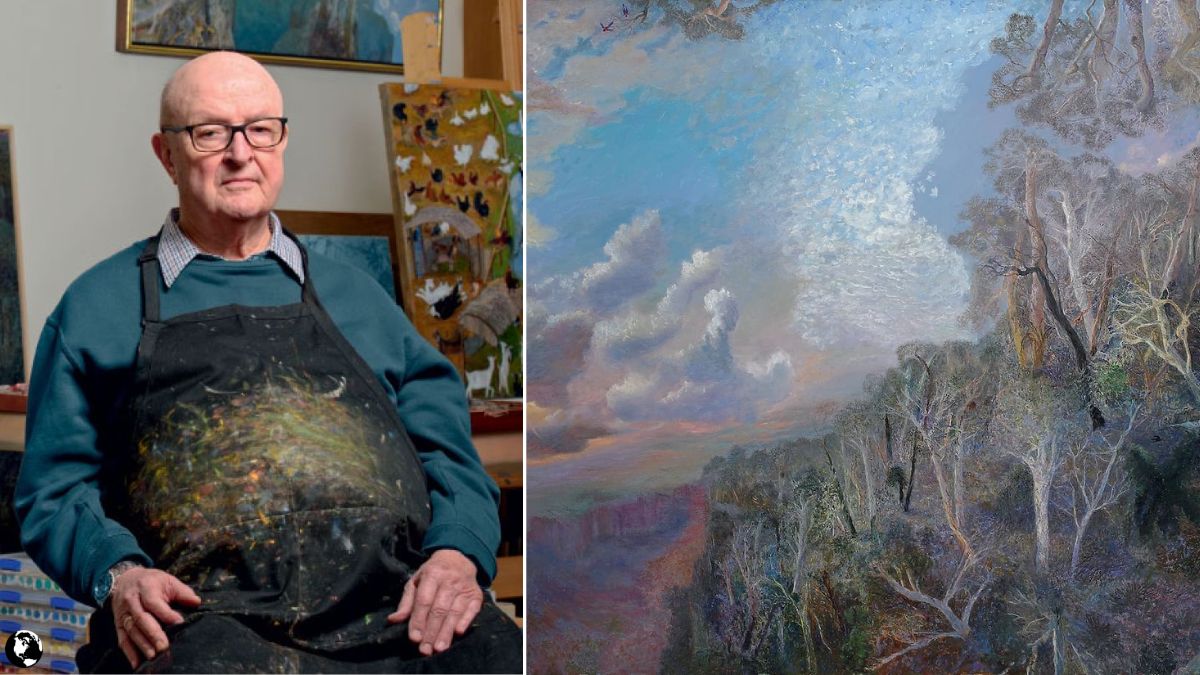

The name William Robinson is associated with influential figures in horticulture, aviation, and the performing arts. Though these individuals lived in different eras and worked in distinct disciplines, each left a meaningful mark on professional and cultural history. Their lives demonstrate how vision, discipline, and courage can reshape industries and expand opportunity.
This article explores the most historically significant individuals connected to the name, focusing on the pioneering gardener who transformed landscape design, the decorated aviator William Robinson Clarke, and the respected stage actor who continues to contribute to theatre today.
The Gardener Who Changed Landscape Design
William Robinson, born in Ireland in 1838, became one of the most influential horticulturists of the nineteenth century. At a time when Victorian gardens emphasized rigid geometry and seasonal bedding displays, he proposed a radically different philosophy rooted in nature.
His landmark book The Wild Garden, published in 1870, challenged artificial planting schemes and encouraged gardeners to embrace hardy perennials, native species, and organic arrangements. Rather than forcing plants into strict patterns, he believed gardens should reflect natural landscapes.
His principles included:
- Using resilient plants suited to local climates
- Encouraging layered, mixed planting
- Designing gardens that evolve naturally over time
- Reducing dependence on high-maintenance seasonal displays
These ideas were initially controversial, yet they gradually transformed professional landscape design. Modern sustainable gardening practices owe much to this shift toward ecological awareness.
William Robinson’s writing was practical and direct. He combined observational knowledge with strong convictions, helping both estate owners and everyday gardeners rethink their approach to cultivation.
Gravetye Manor and Its Enduring Influence
In 1884, Robinson purchased Gravetye Manor in West Sussex. The estate became the living expression of his gardening philosophy. Instead of treating it as a decorative showpiece, he developed it as a working landscape where wildflower meadows, orchards, and woodland plantings flourished together.
Gravetye demonstrated that beauty and ecological balance could coexist. The gardens evolved with the seasons, reflecting his belief that landscapes should adapt rather than remain frozen in design.
Over the years, stewardship of the estate preserved not only its physical beauty but also its intellectual heritage. The grounds continue to represent principles of biodiversity, sustainability, and thoughtful cultivation.
The connection between Gravetye and William Robinson remains central to understanding his legacy. His ideas were not theoretical; they were tested, refined, and proven in real soil.
William Robinson Clarke: Aviation Pioneer
William Robinson Clarke represents another distinguished legacy attached to the name. Born in 1895 in Jamaica and raised in Britain, he became one of the earliest Black pilots to serve in the Royal Flying Corps during the First World War.
Clarke’s path into aviation required perseverance. Military flight training was elite and demanding, and social barriers were significant. Despite these challenges, he earned his pilot’s wings and flew fighter missions on the Western Front.
His achievements included confirmed aerial victories and respected service within his unit. Beyond military records, his career holds deeper importance. At a time when racial prejudice limited opportunity, his role in combat aviation expanded representation within British military history.
Today, historians recognize William Robinson Clarke not only for technical skill but also for the broader social significance of his service. His story reflects courage under pressure and determination in the face of systemic obstacles.
William Robinson the Actor: Craft and Performance
The name also appears in contemporary performing arts. William Robinson the actor has built a professional career grounded in theatre performance. His work reflects the discipline required to interpret complex characters and sustain demanding stage productions.
Theatre demands vocal precision, physical control, and emotional range. Stage performers must maintain energy across live audiences while honoring classical texts or contemporary scripts. Robinson’s career demonstrates commitment to these standards.
His performances contribute to ongoing dramatic traditions, keeping literature and storytelling alive through interpretation. While less historically distant than the gardener or aviator, his work represents the continued cultural presence of the name in modern creative spaces.
Cultural and Historical Significance
The individuals connected to William Robinson worked in different centuries and disciplines, yet they share defining characteristics:
- Independent thinking
- Professional excellence
- Lasting public influence
The gardener reshaped how landscapes are designed and maintained. The aviator broke barriers in military aviation while demonstrating technical mastery. The actor contributes to artistic heritage through disciplined craft.
Together, these stories illustrate how meaningful impact emerges from conviction and sustained effort. Whether through ecological design, wartime service, or artistic performance, each figure expanded the boundaries of their field.
Why the Legacy Endures
Modern landscape architects still apply principles introduced by the nineteenth-century horticulturist. Sustainable planting, ecological sensitivity, and natural composition are now widely accepted standards.
Aviation history continues to revisit early pioneers whose contributions were overlooked for decades. Recognition of Clarke’s service deepens understanding of diversity in military history.
Theatre remains a living art form sustained by dedicated performers. Actors who approach their craft with seriousness and respect preserve cultural narratives across generations.
The continued relevance of William Robinson lies in the enduring quality of these achievements. Innovation, courage, and artistic dedication are not confined to one era. They resonate wherever individuals commit themselves fully to their work.
Conclusion
William Robinson is a name connected to transformation across horticulture, aviation, and the arts. The gardener introduced a philosophy that aligned design with nature rather than ornamentation. The aviator demonstrated bravery and expanded representation in early military flight. The actor sustains dramatic tradition through disciplined performance.
Each story reflects the power of expertise and determination to shape history. Their legacies endure because they addressed fundamental human pursuits: cultivating land, mastering the skies, and telling stories that define culture.
Understanding these lives offers insight into how individuals leave lasting marks—not through coincidence of name, but through commitment to excellence.
FAQs
1. Who was William Robinson the gardener?
He was a nineteenth-century horticulturist who pioneered naturalistic planting and influenced modern ecological garden design.
2. What is Gravetye Manor known for?
It was Robinson’s estate and the practical demonstration site for his sustainable gardening philosophy.
3. Who was William Robinson Clarke?
He was a World War I fighter pilot and one of the earliest Black aviators in British military history.
4. Is there a William Robinson associated with acting?
Yes, a contemporary stage actor carries the name and has built a respected theatre career.
5. Why does the name appear in multiple historical contexts?
It is shared by different individuals whose accomplishments span gardening, aviation, and the performing arts.
