

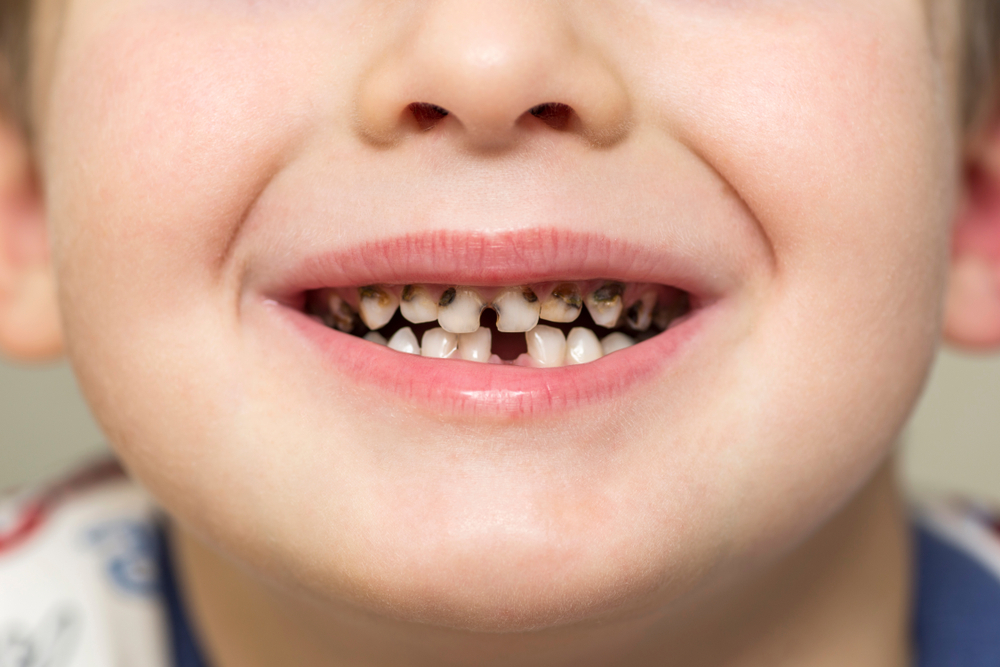

Cavities are among the most common dental problems, yet many people don’t fully understand what actually causes them. While sugary snacks often get the blame, the story of tooth decay is far more complex—and more preventable—than most realize. By understanding the real factors behind cavities, you can take smarter steps to protect your smile for years to come.
The Role of Bacteria: The True Starting Point
Every mouth is home to bacteria—some helpful, some harmful. Cavities begin when certain types of bacteria feed on the carbohydrates and sugars left on your teeth after eating. As these bacteria break down these particles, they produce acids. These acids, not the sugar itself, are what lead to enamel erosion. Over time, repeated acid exposure weakens the tooth’s surface, eventually creating tiny holes known as cavities.
This process is called demineralization, and it’s happening throughout the day, especially after meals or snacks. Fortunately, your body helps counteract this naturally. Saliva works to neutralize acids and replenish lost minerals. But when acid attacks become too frequent, saliva can’t keep up—and cavities begin to form.
Diet Choices: Not Just Sugar
While sugar is a well-known culprit, it’s not the only dietary factor that contributes to tooth decay. Starchy foods like crackers, chips, and bread can be just as harmful. These foods break down into simple carbohydrates that feed decay-causing bacteria.
The way you consume these foods matters, too. Sipping sugary drinks over long periods or snacking frequently throughout the day prolongs acid exposure. Even “healthy” foods like dried fruit or granola bars can stick to teeth, creating an ideal environment for bacteria.
Poor Oral Hygiene: When Habits Fall Short
The foundation of cavity prevention is proper oral hygiene. Brush twice daily with fluoride toothpaste and floss at least once a day. When brushing and flossing are inconsistent, plaque—a sticky film of bacteria—builds up quickly. Plaque hardens into tartar, which can only be removed by a dental professional.
Neglecting oral hygiene allows harmful bacteria to thrive, making it easier for acids to continuously attack tooth enamel. Over time, this increases your risk of cavities, gum disease, and other oral health issues.
Dry Mouth: A Hidden Risk Factor
Saliva plays a crucial role in maintaining oral health. It washes away food debris, neutralizes acids, and supports remineralization. When saliva production drops—a condition known as dry mouth—it creates a perfect setting for decay.
Dry mouth can be caused by medications, stress, health conditions, or habits like mouth breathing. If you frequently wake up with a dry mouth or feel parched throughout the day, it’s important to address it before it leads to further dental problems.
Genetics: Sometimes It’s in Your DNA
Some people are more prone to cavities simply because of genetic factors. The natural shape of your teeth, the thickness of your enamel, and your saliva’s composition can all influence your cavity risk. For example, deep grooves and pits in molars can easily trap food, making them more vulnerable.
While you can’t change your genetics, knowing your risks allows you to be more proactive with your oral care routine.
Lifestyle Choices and Daily Habits
Certain habits can significantly increase your risk of cavities. Smoking, vaping, and frequent alcohol consumption all reduce saliva production and weaken the mouth’s natural defenses. Teeth grinding can wear down enamel, making teeth more susceptible to decay. Even constantly sipping flavored water or acidic beverages can erode enamel over time.
Preventing Cavities: What Truly Works
The good news? Cavities are largely preventable. Regular brushing and flossing, routine dental cleanings, and mindful eating habits are your best lines of defense. Fluoride treatments, dental sealants, and professional advice tailored to your needs can further reduce your risks.
If you’re dealing with extensive decay or have lost teeth due to long-term oral health issues, full mouth restoration may be necessary. In cases like these, many patients explore options such as full mouth dental implants in Stuart, FL, which can restore function and appearance while preventing future oral complications.
Understanding Today for a Healthier Smile Tomorrow
Cavities may be common, but they’re not inevitable. By understanding the real causes of tooth decay—from bacteria and diet to lifestyle habits and genetics—you can take meaningful steps to protect your oral health. With consistent care and smart choices, you can keep your smile strong, healthy, and cavity-free for years to come.
