

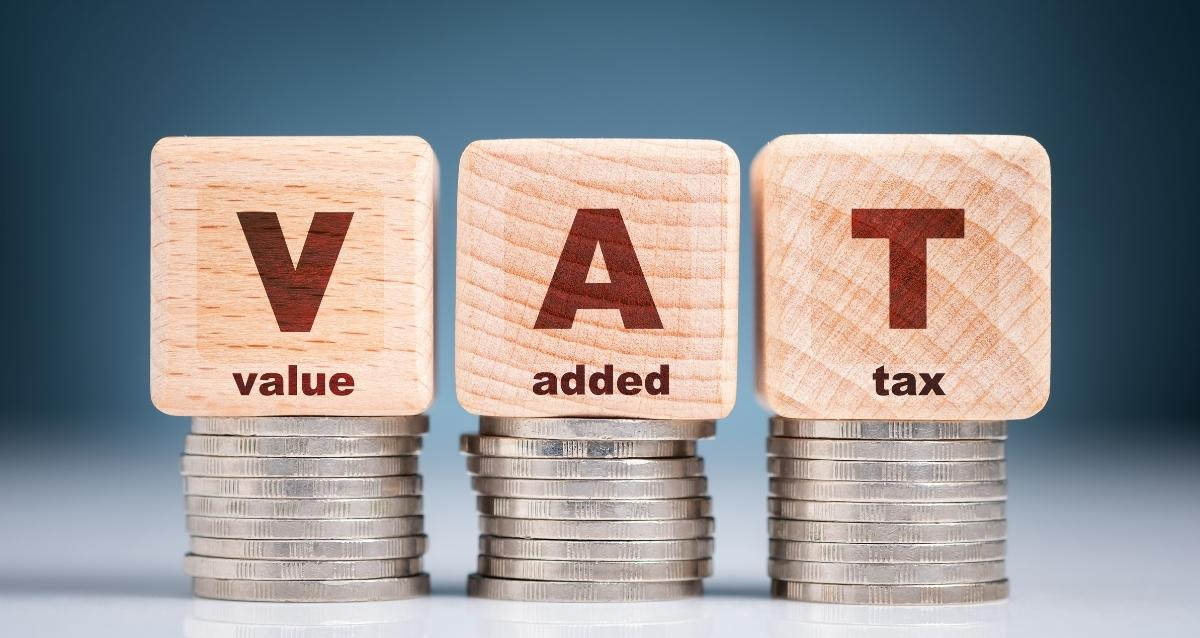

Getting your VAT services UK strategy right is crucial. It’s more than form-filling; it’s about maintaining an accurate VAT position to avoid costly errors and penalties. Here’s a breakdown of what you need to know.
The VAT Threshold: Is Registration Required?
The current VAT registration limit is £90,000 of taxable turnover. But “taxable turnover” is key—it includes standard, reduced, and zero-rated sales, but not exempt supplies.
You must register if:
- Your taxable turnover exceeds the limit in any rolling 12-month period.
- You expect to exceed it in the next 30 days.
You can also choose voluntary registration for VAT. This can be useful if your customers are mainly VAT-registered businesses, or if you have high startup costs and want to reclaim that VAT. But it adds administrative work.
Getting VAT Registration Right
If you need to register, your effective date is critical. If you register late, you may owe VAT on past sales, even if you didn’t charge it.
Once registered, set up your systems properly:
- Issue VAT invoices with all required details.
- Configure VAT codes correctly in your accounting software.
- Establish a routine for keeping digital records and storing evidence.
Filing Your VAT Return: The Submission Process
Filing for VAT usually happens quarterly. The process under Making Tax Digital (MTD) means you must keep digital records and use compatible software to submit your return.
Common VAT submission mistakes to avoid:
Recording sales or purchases in the wrong period.
Applying incorrect VAT rates to items.
Forgetting to reconcile your bank account before filing.
Mis-handling refunds or card payment fees.
A simple pre-submission check can prevent these errors.
How to Reclaim VAT on Business Costs
VAT reclaim and refunds centre on ‘input tax’ – the VAT you pay on eligible business purchases. To reclaim it, you need a valid VAT invoice and must link it to the transaction in your records.
Common reclaim errors include:
- Claiming without a proper invoice (just a bank statement).
- Claiming on mixed personal/business expenses without a clear split.
- Missing the deadline for a period because an invoice was found late.
If your reclaims are larger than the VAT you charge, you’ll receive a repayment from HMRC. Strong records are essential here to avoid delays and queries.
Staying Compliant: A Simple Routine
VAT compliance and advisory isn’t just for large firms. A basic monthly routine keeps you in control:
1. Reconcile all bank and payment processor feeds.
2. Review the VAT codes applied to your main expense categories.
3. Scan your VAT report for any unusual spikes or dips.
4. Ensure all major purchase invoices are filed and linked.
This habit helps you spot issues early and plan for VAT payments.
When to Consider VAT Deregistration
VAT deregistration may be an option if your taxable turnover falls below the deregistration threshold and you expect it to stay low, or if you cease trading.
Before you apply, plan for:
Submitting a final VAT return.
Accounting for VAT on any business assets you still hold.
Informing customers about pricing changes.
It’s much simpler if your records are up-to-date before you start the process.
Using a VAT Lookup Tool
A VAT lookup (or VAT ID search) is used to verify a UK or EU VAT number. This is good practice when checking a new supplier or customer.
You might search for:
VAT reg number lookup
VAT look up service
Remember, a valid number confirms a business is registered, but doesn’t tell you the correct VAT rate to apply to a specific transaction.
Do You Need Professional VAT Help?
You might manage VAT yourself if your situation is very simple. Consider professional UK VAT services if you have:
Sales with multiple VAT rates.
Several income streams (e.g., online marketplaces and direct sales).
Regular VAT repayments.
Complex areas like cross-border sales or partial exemption.
Good support turns VAT from a source of stress into a managed, routine task. If your situation requires expert handling, our comprehensive VAT services cover everything from registration and filing to reclaims and ongoing compliance.
