

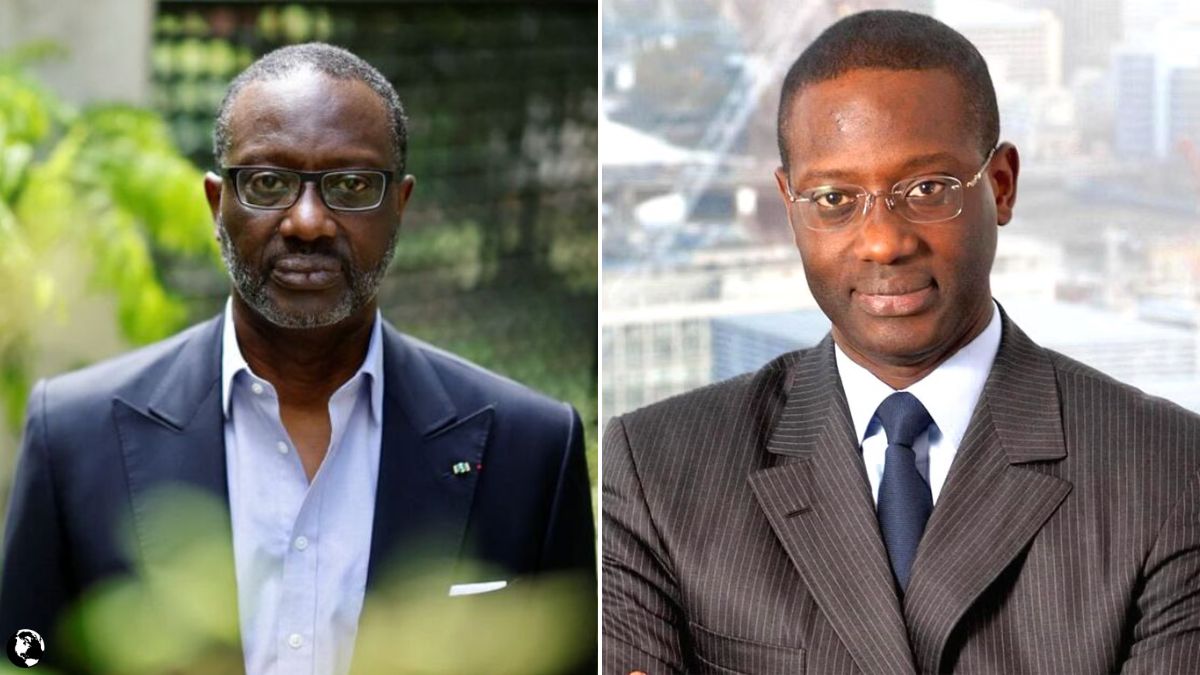

Tidjane Thiam has built one of the most distinctive careers in modern international finance. Known for his disciplined leadership and analytical approach, he rose from public service in West Africa to lead major global institutions such as Prudential plc and Credit Suisse.
His journey spans government leadership, corporate transformation, and a growing role in political life in Côte d’Ivoire. The breadth of this experience gives his story a rare perspective: one shaped by economic policy, international markets, and long-term development challenges.
This article explores the milestones that shaped his career—from elite education and government service to global banking leadership and his evolving influence in African politics.
Early Life and Education
Born in Abidjan in 1962, Tidjane Thiam grew up in an environment that emphasized intellectual achievement and public service. His family background exposed him early to political debate and national development issues, shaping an interest in both economics and governance.
His academic path led him to France, where he attended École Polytechnique, an institution known for producing leaders in science, engineering, and public administration. The school’s rigorous curriculum emphasized mathematical reasoning and systems thinking—skills that later influenced his decision-making in finance and strategy.
After completing engineering studies, he continued at INSEAD, earning an MBA that complemented his technical background with global management training. The combination of engineering discipline and business education provided a foundation for navigating complex corporate and economic environments.
Entry into Government Service
Following his studies, Thiam returned to Côte d’Ivoire during a period of economic reform. The country was attempting to modernize its infrastructure and attract foreign investment, and the government sought technocratic expertise to guide policy.
He joined the administration of President Henri Konan Bédié, eventually serving as Minister of Planning and Development. The role involved coordinating long-term economic strategies, including infrastructure projects and structural reforms aimed at strengthening the national economy.
During this period, the government worked to privatize state-owned industries and encourage international investment. These initiatives required balancing domestic economic needs with global financial expectations, a challenge that demanded both political awareness and economic analysis.
Political instability in the late 1990s eventually disrupted the reform agenda. After a military coup reshaped the political landscape, Thiam moved abroad and shifted his career toward international business.
Transition to International Business
The next stage of his career began at McKinsey & Company, where he worked on strategic consulting projects for major corporations. Consulting provided exposure to industries across different regions and required solving complex organizational problems.
Assignments included advising companies on restructuring, expansion strategies, and operational efficiency. The consulting environment demanded rigorous analysis and the ability to communicate recommendations clearly to senior executives and board members.
This experience deepened his understanding of global markets and corporate governance, preparing him for executive leadership roles in the financial sector.
Leadership at Prudential
A defining chapter in his career began when he joined Prudential plc, one of the United Kingdom’s largest insurance groups. Over time he rose through the company’s leadership ranks, eventually becoming chief executive in 2009.
His appointment marked a historic moment: he became the first African chief executive of a FTSE 100 company.
During his tenure, Prudential expanded aggressively across Asian markets, where demand for insurance and financial services was growing rapidly. The company strengthened its regional presence and diversified its investment offerings.
Strategic priorities included:
- Expanding life insurance products in emerging markets
- Strengthening long-term investment services
- Improving operational efficiency across global divisions
These initiatives reinforced the company’s international growth strategy and established a stronger foothold in high-growth economies.
Restructuring Credit Suisse
In 2015, Thiam accepted the role of chief executive at Credit Suisse, one of Europe’s most prominent investment banks. The institution faced significant challenges following the global financial crisis, including regulatory scrutiny and the need for structural reform.
His leadership focused on reshaping the bank’s strategy to emphasize wealth management and reduce exposure to high-risk investment banking activities. This shift aimed to build a more stable business model while maintaining the bank’s global competitiveness.
The restructuring included several major initiatives:
- Capital strengthening to improve financial resilience
- Operational restructuring to reduce costs
- Strategic investment in wealth management services
The transformation required navigating complex regulatory environments and market expectations. While the bank faced internal controversies that eventually led to leadership changes, the restructuring plan significantly influenced its strategic direction.
Compensation and Financial Standing
Senior leadership roles in global finance come with substantial responsibility and compensation structures designed to reflect performance and long-term results.
During his tenure at Credit Suisse, his compensation package included a combination of salary, performance bonuses, and equity incentives linked to company performance. This structure aligns executive incentives with shareholder outcomes and institutional stability.
Over the course of his career, earnings from executive positions, long-term incentives, and financial investments have contributed to significant personal wealth. Analysts who assess executive compensation in the banking industry often compare his earnings with those of leaders at similar global institutions.
Despite financial success, his public statements frequently emphasize economic development and institutional reform rather than personal wealth accumulation.
Family and Personal Life
Public attention often focuses on professional achievements, yet Thiam has consistently maintained a degree of privacy regarding his personal life.
He has been married and has children, including a son, though he rarely discusses family matters in public interviews. Maintaining privacy allows him to separate professional responsibilities from family life, particularly given the international nature of his career.
Living and working in multiple global financial centers has required adaptability from both him and his family. Despite the demands of executive leadership, he has emphasized the importance of stability and education for the next generation.
Political Leadership in Côte d’Ivoire
After decades in international finance, Thiam gradually returned to the political sphere in his home country. His re-engagement reflects a belief that economic expertise can play a role in national development and institutional reform.
He became associated with the Democratic Party of Côte d’Ivoire, historically one of the country’s most influential political movements.
Political priorities connected to his leadership include:
- Strengthening economic growth through investment
- Expanding opportunities for young professionals
- Improving governance and institutional transparency
- Enhancing international economic partnerships
His experience in global finance provides insight into international markets and development strategies, which may shape policy discussions in the country.
Leadership Philosophy and Global Impact
Throughout his career, observers have noted several consistent themes in his leadership style.
Strategic Discipline
Engineering training encouraged a structured approach to problem-solving. Decisions often rely on careful analysis, measurable outcomes, and long-term planning.
International Perspective
Having worked across Africa, Europe, and Asia, he approaches economic challenges with a global perspective. This outlook is particularly relevant in industries where capital flows and markets operate across borders.
Institutional Reform
Both in government and corporate leadership roles, he has emphasized strengthening institutions rather than focusing solely on short-term results.
Long-Term Development
Whether managing an insurance company or shaping economic policy, the focus has often remained on sustainable growth and long-term stability.
These principles have allowed him to operate effectively in environments ranging from political institutions to multinational corporations.
Conclusion
The career of Tidjane Thiam illustrates how leadership can evolve across sectors and continents. Beginning with public service in Côte d’Ivoire, his professional journey expanded into global consulting, corporate leadership, and international banking.
His leadership roles at Prudential and Credit Suisse demonstrated the ability to guide large financial institutions through complex market conditions. At the same time, his return to politics reflects an enduring interest in economic development and national governance.
The intersection of finance, policy, and international experience continues to shape his influence. As global economic challenges become increasingly interconnected, leaders with experience across multiple sectors are likely to play a crucial role in shaping the future.
FAQs
Who is Tidjane Thiam?
Tidjane Thiam is an Ivorian business leader and political figure who previously served as chief executive of Prudential and Credit Suisse.
What roles did he hold before entering global banking?
Before working in international finance, he served in the government of Côte d’Ivoire as Minister of Planning and Development.
Why is his leadership at Prudential significant?
His appointment as chief executive marked the first time an African leader headed a company listed in the FTSE 100 index.
What changes did he introduce at Credit Suisse?
He initiated a restructuring strategy aimed at strengthening capital, reducing risk exposure, and expanding wealth management services.
What is his current role in politics?
He has become involved in political leadership within Côte d’Ivoire and participates in discussions about the country’s economic and institutional development.
