

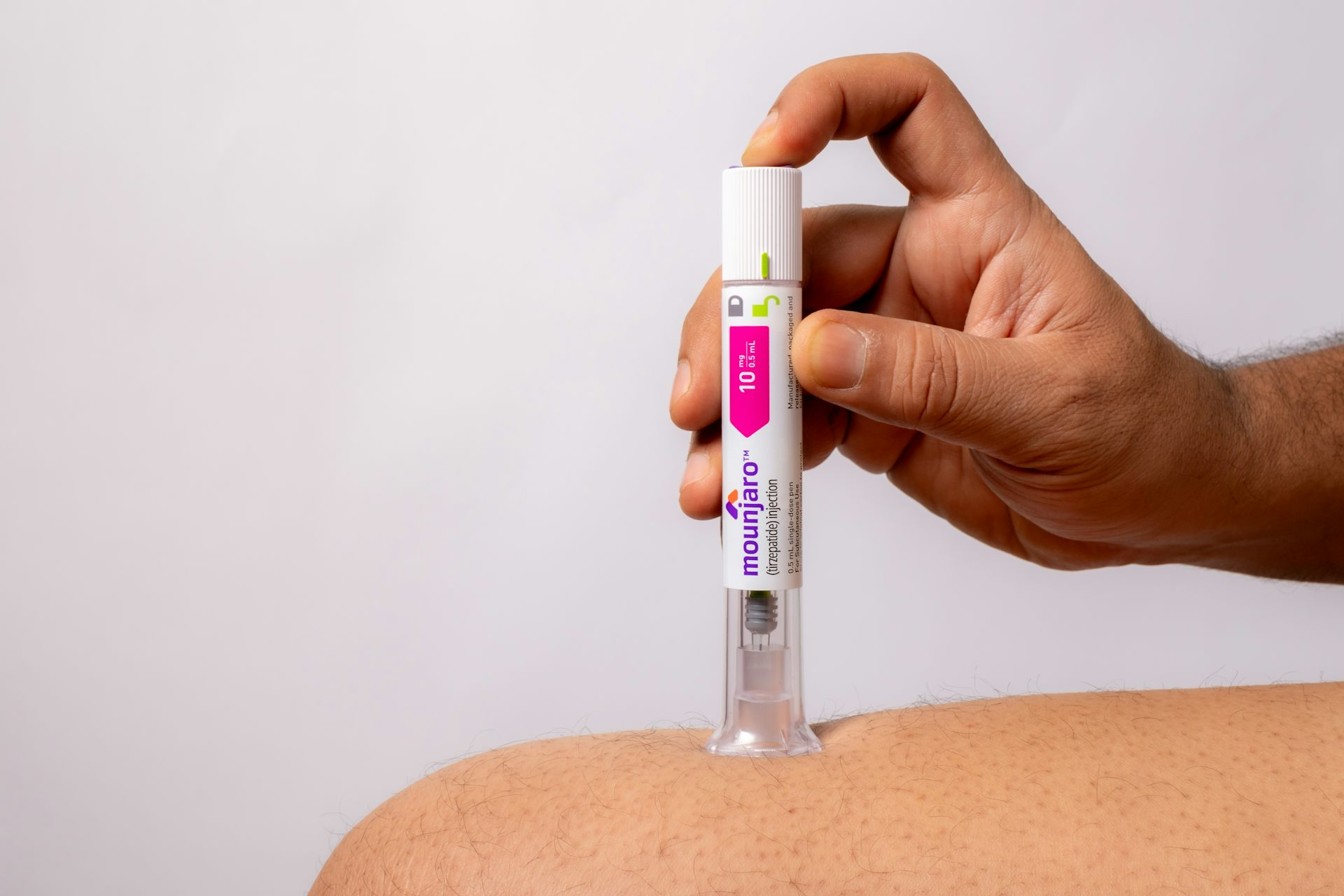

Patients who stop taking Mounjaro face lasting side effects that go way beyond the treatment period. Weight regain stands out as their biggest problem after discontinuation. The numbers tell a concerning story – patients regain weight at 0.8 kg (about 1.8 pounds) per month once they stop taking weight management medications like tirzepatide (Mounjaro). This rate surpasses the weight regain seen in behavioural weight management programmes.
Research shows that Mounjaro’s long-term side effects lead to a complete reversal of weight loss benefits. Most patients return to their starting weight roughly 1.5 years after ending treatment. The monthly weight regain averages 0.4 kg for weight management medications of all types. The impact reaches beyond just weight issues. Health improvements fade away as cardiometabolic markers return to their baseline within 1.4 years after stopping treatment.
This piece will get into the science behind weight regain after stopping Mounjaro and compare it with other GLP-1 agonists. You’ll learn about strategies that help maintain weight loss benefits. These patterns matter significantly to anyone who wants to use these medications as part of their weight management plan.
Weight Regain Timeline After Mounjaro Discontinuation
New research shows worrying patterns of weight coming back after patients stop taking Mounjaro. Studies paint a clear picture of what happens when people stop these medications.
Average Monthly Regain: 0.8 kg with Semaglutide and Tirzepatide
Patients who stop newer weight loss medications like tirzepatide (Mounjaro) and semaglutide gain back 0.8 kg (approximately 1.8 pounds) each month. This happens even when they try to maintain healthy lifestyle changes. A detailed study of 37 trials with 9,341 adults showed that people using any weight management medication gained back 0.4 kg monthly. The newer GLP-1 agonists show double this rate, which creates a big challenge for long-term weight control.
Return to Baseline Weight Within 1.5 Years
This rapid weight regain means most patients return to their starting weight within 1.5 years after stopping the medication. This becomes a real problem for people who lost a lot of weight during treatment. The SURMOUNT-4 trial showed that participants who stopped tirzepatide after 36 weeks gained back 14% of their body weight in just one year. The numbers got worse as 82.5% of participants had gained back 25% or more of their original weight loss by week 88. The impressive results during treatment didn’t last without ongoing medication.
Comparison with Behavioural Programmes: 0.3 kg/month Faster
People gain weight back faster after stopping these medications than after finishing behavioural weight management programmes. The medication group gains 0.3 kg more per month compared to those who only did behavioural programmes. Behavioural programmes show a modest regain of about 0.1 kg monthly. This difference adds up significantly over time and happens no matter how much weight someone lost initially.
The reason might be simple. People using medications might not learn practical ways to keep weight off through diet and exercise. Behavioural programmes teach lasting habits, but medication-driven weight loss can happen without changing eating habits. This leaves patients unprepared when they stop taking the medication.
Reversal of Cardiometabolic Benefits Post-Treatment
Weight isn’t the only thing that bounces back after stopping Mounjaro. The health benefits patients gain during treatment also reverse as they regain weight. This reveals another aspect of Mounjaro side effects that patients need to think about.
HbA1c Increase: 0.05 mmol/mol per Month
Blood glucose control steadily gets worse after treatment stops. Research shows HbA1c levels climb by about 0.05 mmol/mol monthly. These increases match the patterns of weight regain directly. Patients who regained less than 25% of lost weight saw a 0.14% increase, while those who regained 75% or more experienced a 0.35% rise. The body responds quickly – within just two months of stopping tirzepatide, HbA1c levels start rising rapidly. Most patients return to their starting values in about 1.4 years.
Systolic Blood Pressure Rebound: 0.5 mmHg per Month
Blood pressure improvements disappear quickly too. Systolic blood pressure rises by 0.5 mmHg each month after treatment ends. The SURMOUNT-4 trial revealed blood pressure increases in all groups, but the changes were more dramatic in people who regained more weight. Numbers ranged from 6.8 mmHg with minimal regain to 10.4 mmHg when patients regained 75% or more. Blood pressure rebounded even in patients who managed to keep much of their weight off, which suggests the drug itself might have effects beyond weight control.
Cholesterol and Triglyceride Levels Returning to Baseline
Lipid profiles worsen after stopping treatment. Non-HDL cholesterol changes varied widely – from a 0.4% improvement in people with minimal weight regain to a 10.8% increase in those who regained substantially. Triglycerides showed even bigger changes, jumping up 18.9% in patients who regained 75% or more of their lost weight. HDL cholesterol behaved differently though, rising after treatment ended regardless of weight regain.
The SURMOUNT-4 trial showed that participants who regained 75% or more of their lost weight lost all their health improvements. People who limited their regain to less than 50% kept some benefits, though these were nowhere near their best levels during treatment. These findings show why ongoing obesity management plays such a crucial role in keeping the health benefits gained during treatment.
Drug-Specific Rebound Patterns: Semaglutide vs Tirzepatide
GLP-1 medications show notable differences in their rebound patterns, and not all weight loss drugs have the same risks after treatment ends.
Semaglutide: 8.21 kg Regain vs 4.29 kg with Liraglutide
The data shows that patients regain more weight after stopping semaglutide than liraglutide. Pooled analyses reveal an average regain of 8.21 kg for those who stop semaglutide, while liraglutide users regain only 4.29 kg. Multiple studies back this finding, with one showing that semaglutide/tirzepatide users gained back 9.69 kg compared to just 2.20 kg with liraglutide. These newer GLP-1 medications lead to better weight loss results but come with stronger rebound effects when stopped.
Waist Circumference Increase: 3.8 cm with Semaglutide
Body composition changes tell an even deeper story. Patients who stop semaglutide see their waist size increase by 3.80 cm on average, while liraglutide users experience a 2.69 cm increase. This measurement raises concerns because belly fat relates to heart and metabolic risks, whatever the total body weight.
Systolic BP Rebound: 7.09 mmHg with Semaglutide
Blood pressure rebounds show the most striking difference between these medications. Stopping semaglutide leads to an average systolic blood pressure spike of 7.09 mmHg, while liraglutide shows a modest 1.56 mmHg increase. Heart-related benefits might fade faster after stopping semaglutide. This could be a big deal as it means that Mounjaro might have similar long-term side effects since tirzepatide works the same way.
The pattern is clear – better-performing GLP-1 medications lead to more dramatic rebounds when patients stop taking them.
Behavioural Support and Long-Term Weight Maintenance
Research shows behavioural support programmes alone might not overcome the physical challenges that emerge after stopping Mounjaro. This brings up key questions about managing weight in the long run.
Post-Treatment Support Does Not Affect Regain
Studies have found no clear evidence that the level of behavioural support during weight management medication affects how much weight people regain after stopping. Research also shows patients who receive behavioural help regain weight at the same rate as those who don’t get any support after stopping medication. Dr Sam West of Oxford University explains this isn’t because the medicines don’t work but shows that “obesity is a chronic, relapsing condition”.
Behavioural Programmes Lead to Slower Regain: 0.1 kg/month
Behavioural programmes on their own show much slower weight regain patterns. People regain about 0.4kg each month after stopping medication, while those in behavioural programmes regain just 0.1kg per month. This difference might be because participants learn practical coping skills they can use long after the programme ends. These programmes focus on balanced nutrition, energy control, and eco-friendly exercise routines.
Long-Term Management Plans Must Work Together
Experts now recommend an all-encompassing approach. NICE’s latest quality standard says people finishing treatment should get personalised action plans that include regular check-ins and practical strategies. Medical teams should keep track of patients for at least a year after treatment. This shows how Mounjaro’s long-term side effects need to be seen as part of managing a chronic condition, not just a short-term fix.
Conclusion
Research shows that patients who stop taking Mounjaro face a most important challenge with weight coming back. Their weight bounces back at almost double the speed compared to older weight loss drugs. All health improvements fade away within about 18 months. This pattern reveals a basic truth – obesity needs ongoing care rather than short-term fixes.
Mounjaro and other GLP-1 drugs help people lose weight impressively. Yet the body’s natural drive to regain weight remains strong. Then patients struggle to keep their progress after stopping the medication. The difference between new and old GLP-1 medications stands out clearly. Semaglutide users see their weight, waist size, and blood pressure jump back much more than liraglutide users.
Support programmes that focus on behaviour change help but cannot fully fight these body processes. All the same, these programmes show promise as part of complete treatment plans, especially when you have to learn lasting habits that medicines alone might miss.
The evidence points to a new way of looking at drugs like Mounjaro. These medications work well during treatment but need either ongoing use or smart transition plans to keep the benefits. Medical teams should create long-term care plans that watch over patients for at least a year after treatment ends.
Patients who think over Mounjaro must grasp this reality before they start. Benefits quickly reverse after stopping the medicine, which means weight control needs a lifelong effort, whatever methods we use. This knowledge helps set realistic expectations and prepares people better for challenges after treatment ends.
