

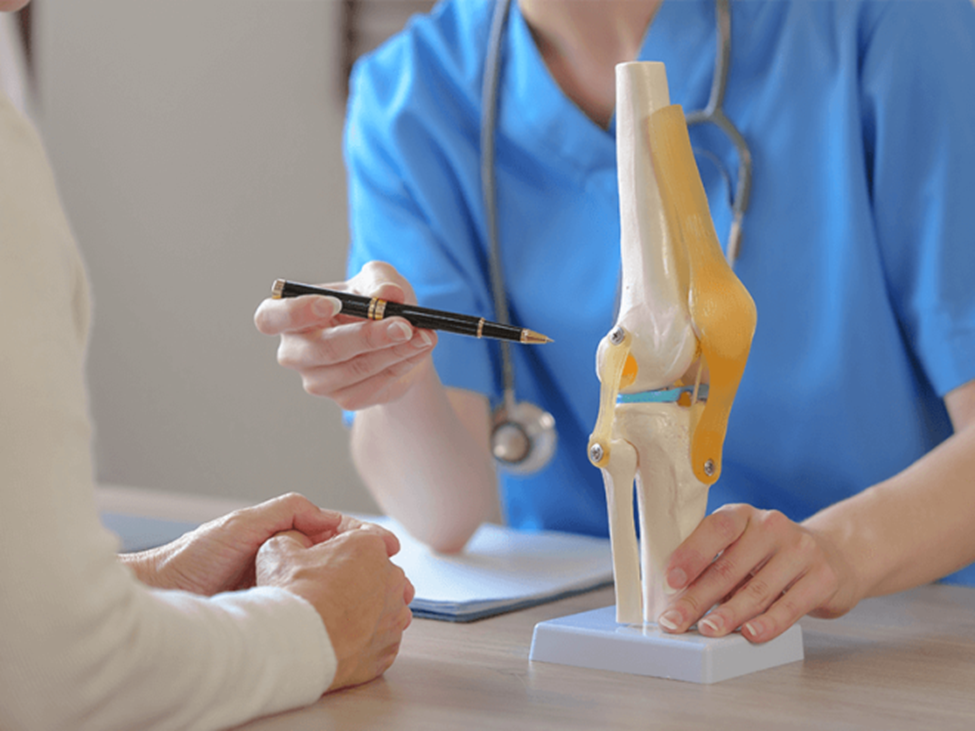

Knee replacement surgery is a common and effective procedure for people suffering from severe knee pain, arthritis, or joint damage. While the surgery can significantly improve mobility and quality of life, recovery is a gradual process that requires patience, proper care, and consistent rehabilitation.
Understanding what to expect after surgery can help you prepare better and recover more confidently. This article explains the recovery timeline, essential tips, and common concerns after knee replacement.
What Happens After Knee Replacement Surgery?
After surgery, the damaged knee joint is replaced with an artificial implant designed to restore movement and reduce pain.
Immediately after the procedure:
- You will be monitored in a recovery room
- Pain management will begin
- Physical therapy may start within 24 hours
Most patients stay in the hospital for 1 to 3 days, depending on their overall health and recovery progress.
Recovery Timeline After Knee Replacement
Recovery varies from person to person, but most patients follow a general timeline.
First Week After Surgery
- Swelling and pain are common
- Walking with support (walker or crutches) begins
- Physical therapy focuses on gentle movement
- Wound care and monitoring are essential
Early movement is crucial to prevent stiffness and improve circulation.
Weeks 2-6
- Gradual improvement in mobility
- Transition from walker to cane
- Increased strength through physiotherapy
- Ability to perform basic daily activities
By the end of this phase, many patients can walk short distances without assistance.
Weeks 6-12
- Significant reduction in pain
- Improved joint flexibility
- Return to light activities
- Continued physical therapy
During this stage, patients regain independence and confidence in movement.
3-6 Months
- Most patients resume normal daily routines
- Increased strength and endurance
- Ability to drive and work (depending on job type)
6 Months to 1 Year
- Full recovery and maximum improvement
- Minimal pain and better joint function
- Return to low-impact activities, like walking, cycling, and swimming
Tips for Faster and Safer Recovery
Following proper care guidelines can improve healing and reduce complications.
Follow Your Physical Therapy Plan
- Perform exercises regularly
- Focus on strengthening muscles around the knee
- Avoid skipping sessions
Physical therapy is one of the most important factors in recovery.
Manage Pain and Swelling
- Use prescribed medications
- Apply ice packs to reduce swelling
- Elevate your leg when resting
Stay Active but Avoid Overexertion
- Walk regularly to improve mobility
- Avoid high-impact activities
- Increase activity levels gradually
Maintain a Healthy Diet
- Eat protein-rich foods for healing
- Include calcium and vitamin D for bone health
- Stay hydrated
Prevent Infections
- Keep the surgical site clean
- Watch for signs of infection (redness, fever, swelling)
- Follow all medical instructions carefully
Long-Term Care After Knee Replacement
Even after recovery, proper care is essential to maintain joint health.
Lifestyle Adjustments
- Avoid high-impact sports, like running or jumping
- Maintain a healthy weight to reduce stress on the knee
- Use supportive footwear
Regular Check-Ups
Routine follow-ups with your doctor ensure that the implant is functioning well and there are no complications.
Staying Physically Active
Low-impact activities help maintain flexibility and strength, including:
- Walking
- Swimming
- Cycling
Common Challenges During Recovery
Some patients may face temporary challenges, such as:
- Stiffness in the knee
- Difficulty sleeping
- Emotional stress or frustration
These are normal and usually improve with time and proper care.
In regions like Gujarat, patients commonly explore advanced centers offering knee replacement in Ahmedabad, where structured rehabilitation programs support smoother recovery outcomes.
When to Contact Your Doctor
Seek medical attention if you experience:
- Severe or worsening pain
- Signs of infection
- Difficulty breathing
- Unusual swelling or redness
Early intervention can prevent serious complications.
Benefits of Knee Replacement Surgery
Despite the recovery process, knee replacement offers significant benefits, including:
- Reduced or eliminated pain
- Improved mobility and flexibility
- Better quality of life
- Ability to perform daily activities comfortably
Frequently Asked Questions (FAQs)
How long does it take to recover from knee replacement?
Most patients recover within 3 to 6 months, but full recovery can take up to a year.
When can I walk after surgery?
Walking usually begins within 24 hours with support, depending on your condition.
Is knee replacement surgery painful?
Pain is expected initially, but it is managed with medications and improves over time.
Can I climb stairs after knee replacement?
Yes, with proper guidance and physiotherapy, most patients can climb stairs within a few weeks.
What activities should I avoid after surgery?
Avoid high-impact activities like running, jumping, or heavy lifting.
How long does a knee implant last?
Most knee implants last 15 to 20 years or longer, depending on usage and care.
Conclusion
Life after knee replacement surgery involves a structured recovery process that gradually restores mobility and reduces pain. By understanding the recovery timeline and following recommended care practices, patients can achieve the best possible outcomes.
Consistency in physical therapy, maintaining a healthy lifestyle, and regular medical follow-ups are key to long-term success. With proper care and patience, most individuals can return to an active and comfortable life after knee replacement.
