

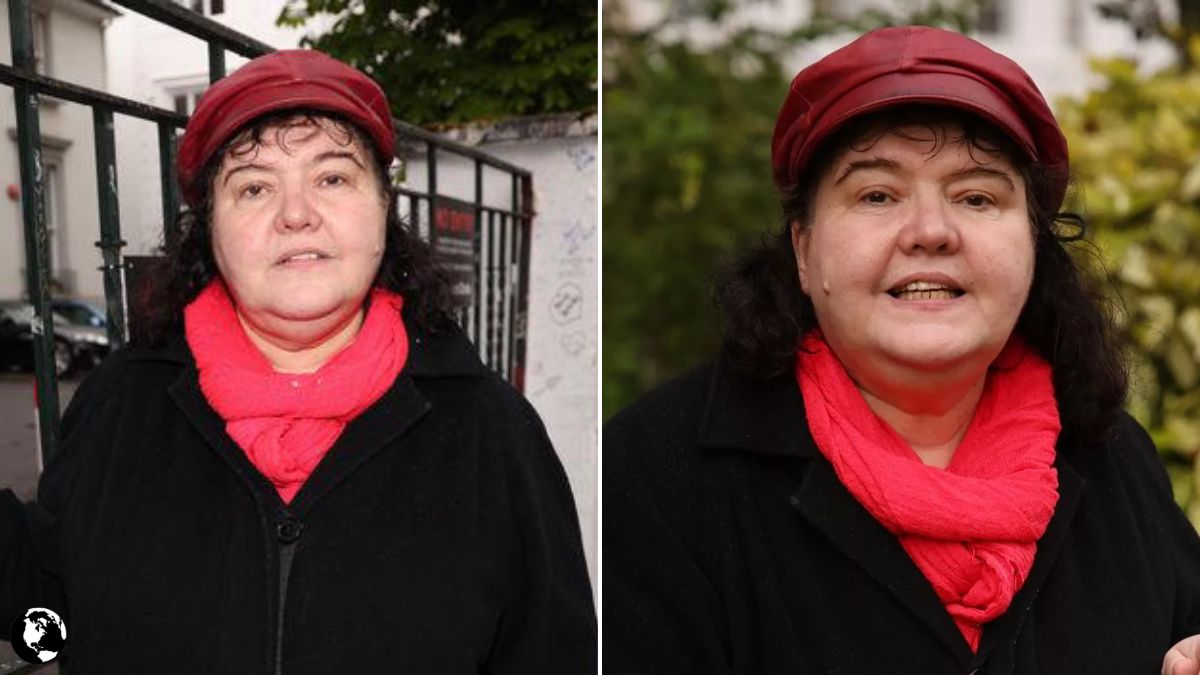

Fiona Harvey is a respected environmental journalist known for her insightful reporting on climate change, sustainability, and environmental policy. She has contributed extensively to The Guardian and The Financial Times. Over the years, Harvey has built a reputation as a leading voice in the field, but her career has also been marked by controversy. Legal battles and media scrutiny have added complexity to her standing as both a journalist and a public figure.
This article will explore Fiona Harvey’s dual legacy: her important contributions to environmental journalism and the controversies that have surrounded her. From her groundbreaking climate reporting to her involvement in a legal case, we will examine the impact of her work.
Fiona Harvey’s Impact as an Environmental Journalist
Fiona Harvey’s journey into journalism began with her deep commitment to environmental issues. Her passion translated into a successful career, covering diverse topics such as climate change, biodiversity, and pollution. Harvey’s reporting has played a vital role in shaping public understanding of global ecological challenges.
During her tenure at The Guardian, Harvey covered critical stories related to climate change negotiations and government responses to environmental crises. Her work offered valuable insight into global environmental policy, highlighting the consequences of inaction on climate change.
One of her most notable contributions was her coverage of the 2015 Paris Climate Agreement. Harvey’s in-depth reporting and real-time analysis of the negotiations helped bring attention to the critical issues at stake. She made complex environmental policy discussions accessible to a broad audience, positioning herself as one of the leading environmental journalists.
In addition to her work on international climate policy, Harvey covered the local effects of pollution and deforestation. Her ability to report on both global and regional environmental issues allowed her to advocate for urgent action on climate change and sustainability.
Through her work, Fiona Harvey has earned numerous accolades, including awards for her environmental journalism. Her commitment to accurate, rigorous reporting has established her as a trusted figure in the field.
The Legal Controversy: Fiona Harvey and Baby Reindeer
Fiona Harvey has recently been involved in a high-profile legal controversy that shifted public focus from her journalistic career. This controversy stems from her involvement in the Netflix series Baby Reindeer, which is believed to have drawn from her personal life. The series features a character that Harvey believes is a fictionalized version of her. She has filed a lawsuit against Netflix, claiming that the show misrepresents her life and defames her character.
The case began when Netflix marketed Baby Reindeer as based on a true story. Harvey has publicly denied this claim, asserting that the series inaccurately portrays her and harms her reputation. She argues that the depiction caused her emotional distress and prompted her to take legal action.
The lawsuit has drawn attention to the ethical questions surrounding the adaptation of real-life stories for entertainment. Harvey’s case raises concerns about privacy and the lines between journalism and fiction. As the legal battle continues, it has added another layer to her public image, leading to debates about media responsibility in depicting real people.
Fiona Harvey’s Tweets and Social Media Influence
Fiona Harvey’s presence on social media, particularly Twitter, has become an important part of her public image. Through her accounts, Harvey shares her views on global environmental issues, offering insights into climate change, biodiversity conservation, and sustainable development. Her tweets reflect her commitment to raising awareness about urgent environmental challenges.
Harvey uses social media as a platform for professional commentary. Her posts engage her audience on critical issues and encourage discussions about the future of the planet. While her social media activity remains largely focused on environmental topics, it has also drawn criticism, especially in light of her ongoing legal battle with Netflix.
Some of Harvey’s tweets have been considered controversial. Critics have pointed to her reactions to the Netflix series and questioned whether her social media conduct is appropriate during a legal dispute. Despite the occasional backlash, Harvey’s online presence remains a vital tool in her advocacy work, allowing her to maintain a direct connection with her followers.
Public Perception and the Stalker Narrative
The media coverage of Baby Reindeer has contributed to a narrative that has negatively affected Fiona Harvey’s public image. In the series, the character believed to be based on Harvey exhibits obsessive behavior, leading some outlets to label her a “stalker.” This portrayal has had significant consequences for her reputation.
Harvey strongly denies these accusations and argues that the character’s actions in the series do not reflect her personality or behavior. She has made it clear in her legal filings that the series misrepresents her life. Despite her denials, the “stalker” narrative persists in certain media outlets, further complicating her public image.
This situation highlights the complexities faced by public figures when their lives are fictionalized in the media. It also raises important questions about the ethics of adapting real-life stories for entertainment purposes. The debate over the portrayal of real people in fictional works underscores the need for careful consideration of privacy and accuracy in media production.
Conclusion: Fiona Harvey’s Lasting Legacy
Fiona Harvey’s work as an environmental journalist has left a lasting impact on the field. Her in-depth reporting on climate change and sustainability has shaped global conversations and influenced environmental policy. As a journalist for The Guardian and The Financial Times, Harvey has earned recognition for her factual and impactful reporting.
However, her career has not been without challenges. The legal issues surrounding Baby Reindeer have added complexity to her public image. Still, her contributions to environmental journalism are undeniable. The outcome of her lawsuit against Netflix may influence the portrayal of real people in the media, but it will not overshadow Harvey’s significant contributions to the field of environmental journalism.
As her career continues to evolve, Fiona Harvey’s legacy will be defined by her dedication to environmental advocacy and her ability to navigate the challenges posed by media representation. Her work remains crucial as the world continues to address pressing environmental issues.
