

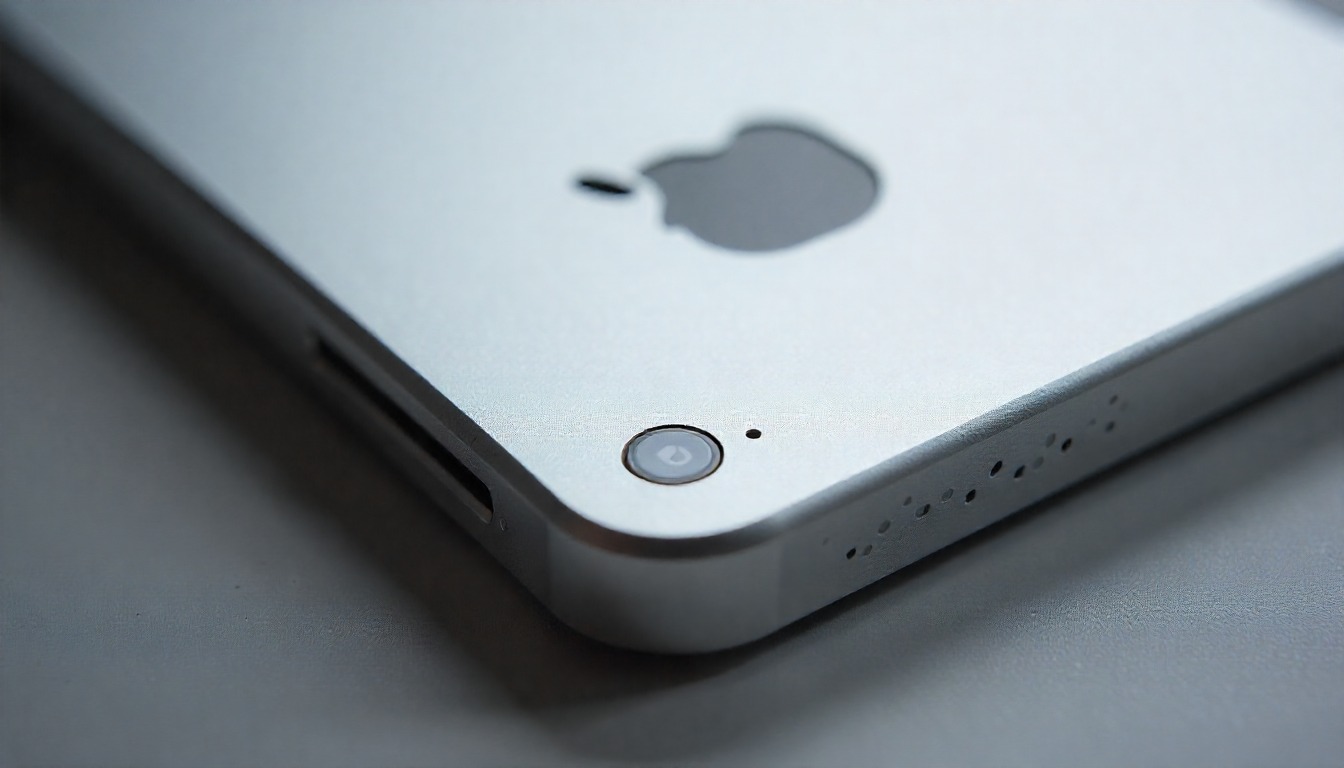

Apple’s sustainability narrative has long been associated with sleek marketing campaigns, eco-friendly branding, and minimalist design cues. But behind the glossy visuals lies a deeper truth — Apple isn’t just promoting green initiatives for optics. The company is redesigning its entire supply chain around sustainability, using recycled materials, renewable energy, and circular economy principles to build the next generation of devices. This shift isn’t just a response to market pressure; it’s a bold transformation of how technology is conceived, manufactured, and repurposed.
1. Apple’s Real Sustainability Framework: From Policy to Product
Apple’s journey toward sustainable materials extends beyond symbolic gestures. In 2023, the company announced its goal to use only recycled and renewable materials in all products by 2030 — a milestone that goes far beyond marketing promises.
Key highlights include:
- 100% recycled aluminum in MacBook enclosures and Apple Watch cases.
- Recycled rare earth elements in iPhone Taptic Engines.
- 100% recycled cobalt in batteries of the latest iPhone 16 lineup.
- Elimination of harmful chemicals like PVC, BFRs, and mercury from production lines.
This isn’t sustainability as a trend — it’s Apple’s version of a closed-loop system, where every device contributes to the next one’s life cycle. Users can also learn to maintain and extend the lifespan of their devices through community-driven guides such as Apple User Tips for Beginners, helping to minimize e-waste while optimizing performance.
2. The Science Behind Apple’s Sustainable Materials Innovation
Unlike many competitors, Apple invests heavily in materials science and recycling technology, making sustainability a research-driven process rather than a marketing afterthought.
a. The Material Recovery Lab
Located in Austin, Texas, this facility houses “Daisy,” a robot that disassembles iPhones with precision to recover rare materials like tungsten and gold. Its successor, “Taz,” specializes in shredding and sorting smaller components that traditional recycling can’t handle.
b. Custom Alloy Development
Apple’s engineers have developed proprietary aluminum and steel alloys made entirely from recycled content. These alloys retain durability and aesthetic quality while dramatically reducing carbon emissions from mining and smelting.
c. Carbon-Neutral Manufacturing
Over 250 suppliers now use 100% renewable energy to manufacture Apple components. This move has prevented millions of metric tons of CO₂ emissions annually, setting a new industry standard for climate responsibility.
For readers seeking more in-depth discussions about Apple’s sustainable advancements, you can discover more insights on Apple Patient, which frequently analyzes Apple’s environmental innovations and future projections.
3. Circular Design: A Strategy, Not a Slogan
Apple’s design team works on a circular economy model, ensuring that every stage — from product conception to end-of-life — is optimized for minimal waste.
Key initiatives include:
- Trade-in and refurbishment programs that extend product lifecycles.
- Component standardization for easier repair and material recovery.
- Sustainable packaging, now free of plastic wraps and has been reduced by 40% in volume since 2015.
- Disassembly-friendly architecture, ensuring easier recycling at scale.
This design philosophy is a living example of how the Key techniques of Apple’s marketing strategy are deeply integrated with environmental ethics — showcasing sustainability not as a selling point, but as a value creation mechanism that enhances long-term brand loyalty.
4. Partnering for a Greener Future: Apple’s Global Collaboration Network
Apple’s environmental push doesn’t operate in isolation. The company collaborates with global organizations, suppliers, and researchers to amplify its impact.
Strategic partnerships include:
- Rio Tinto & Alcoa: Developing carbon-free aluminum smelting technologies.
- Conservation International: Protecting and restoring mangroves and grasslands to offset emissions.
- SME programs: Empowering smaller manufacturing partners to adopt renewable energy solutions.
These alliances make Apple’s supply chain a model of integrated sustainability, ensuring environmental stewardship becomes an industry-wide expectation.
5. Transparency and Accountability: The Core of Apple’s Green Strategy
Apple’s commitment is backed by annual Environmental Progress Reports, where the company discloses metrics on energy use, emissions, and material sourcing.
What sets Apple apart:
- Third-party verification of carbon neutrality claims.
- Open disclosure of mineral supply chain audits.
- Data-driven evaluation of environmental ROI.
This level of transparency transforms Apple’s sustainability narrative from a marketing exercise into a measurable impact model, inspiring competitors and consumers alike.
Conclusion: The Future of Sustainability is Built, Not Branded
Apple’s evolution from marketing “green” to engineering it into its DNA marks a defining shift in corporate sustainability. The company is building an ecosystem where materials, design, and energy are intertwined to form a genuinely circular, zero-waste model.
In essence, Apple isn’t just using sustainable materials — it’s redefining how the tech industry should think about sustainability itself. Beyond the ads and announcements lies a blueprint for the future — one that balances innovation with responsibility and ensures that every device we use contributes to a cleaner, smarter planet.
