

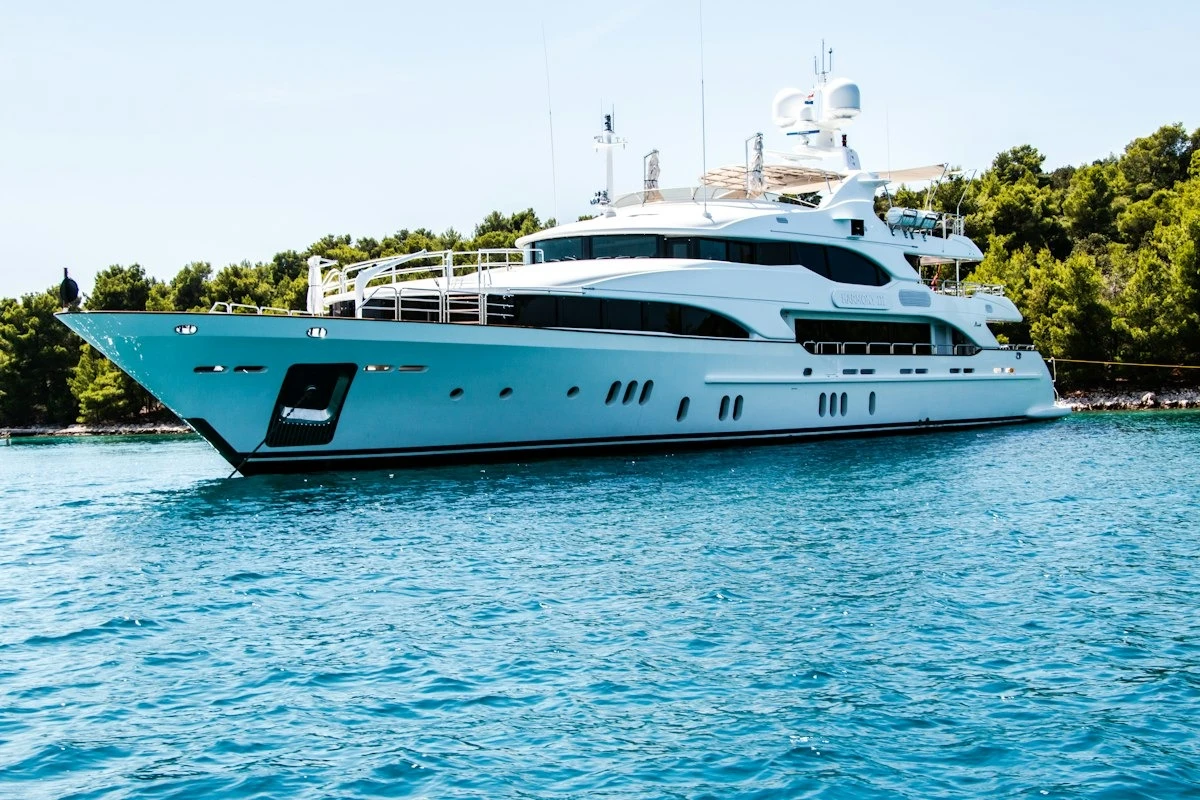

Put two identical boats in neighboring marina berths and give their owners the same budget. After a decade, which one will be in better condition? The answer depends less on the original model than on hundreds of small decisions nobody records on a sales brochure. One owner may sail every weekend and keep careful records. The other may use the boat twice a season and assume that limited use means limited wear.
A thought experiment helps explain the difference. Imagine inspecting both vessels each spring, not just when they appear ready for resale. The evidence would accumulate in patterns of moisture, equipment wear and maintenance history.
Year One: The Habits Begin
The first owner has a routine after every trip. Wet cushions are aired, the bilge is inspected, exposed surfaces are rinsed when appropriate and the cover is arranged to allow ventilation. The second owner closes the boat immediately. Both approaches save time in the moment, but only one consistently prevents water from remaining hidden in confined spaces.
Condensation, leaks and damp fabrics can persist when air circulation is poor. They may cause mildew, damage interior materials or encourage corrosion on electrical terminals. These changes do not require an exceptional storm. Ordinary conditions repeated over many months can be enough.
A clean deck proves very little
Water trapped beneath a floorboard is invisible to someone standing outside. Regularly checking inaccessible compartments and investigating unexplained dampness offers better evidence than polishing a bright hull. The owner who finds a leak early may need to reseal a fitting. The owner who discovers it years later may face damaged backing materials.
Year Three: The Replacement Decisions Diverge
Wear eventually reaches components such as hoses, filters, switches and seals. At this stage, purchasing choices become part of the vessel’s history. The cheapest apparent match may not have the same operating temperature, pressure rating, material compatibility or dimensions as the original item.
The owner examining parts through Nova Argonautica EU should use the catalog as one source of technical information, then compare the chosen component with the equipment manufacturer’s requirements. A small difference matters when a fitting carries cooling water or electricity. An unsuitable replacement may damage more than itself.
Installation is equally important. A hose routed near a vibrating edge can deteriorate despite being suitable for the system. Correctly rated parts work best when the surrounding causes of wear have been addressed. Maintenance quality depends on the whole installation rather than the price of one component.
Year Five: Climate Leaves Its Signature
Sunlight, humidity, salt spray and temperature cycles gradually affect marine materials. Their impact varies with where a boat is stored and how its surfaces are protected. The first owner notices fading seals, checks flexible plastics and protects vulnerable equipment. The second looks for obvious cracks only when something stops working.
For vessels in Spain, conditions differ between a sheltered Mediterranean marina and more exposed Atlantic surroundings. An owner sourcing equipment in Spain may explore Nova Argonautica ES, but should consider the actual berth and operating environment before selecting materials. A broad label such as marine grade cannot replace the relevant specifications.
The same approach applies elsewhere. A freshwater boat can face trapped humidity, while one exposed to strong salt spray requires extra attention to corrosion. Location changes the priorities, not the underlying need for observation.
Storage deserves its own plan
A cover should keep rain out without sealing moisture inside. During prolonged storage, batteries, fuel and other systems still require attention according to manufacturer guidance. A boat does not become immune to deterioration because its engine is silent.
Year Eight: The Maintenance Records Tell Two Stories
A technician receives the first vessel with a log showing dates, part numbers, repairs and recurring symptoms. The second arrives with a collection of unlabeled modifications and an owner’s recollection that the problem started recently. Investigating the second boat may take longer because even basic historical questions cannot be answered.
A useful record does not need elaborate software. It can contain engine hours, inspections, photographs and notes on unusual noise or water intrusion. The aim is to make slow changes visible and give professionals a reliable starting point.
For repair yards and other professional buyers, Nova Argonautica B2B belongs in the trade sourcing process, where correct component references and predictable ordering support workshop planning. The quality of the finished repair still depends on diagnosis, suitable parts and careful installation.
Year Ten: Appearance Is Not the Verdict
One boat may have more scratches because it sailed regularly. The other may look pristine after cleaning because it rarely left the dock. Appearance alone cannot decide which vessel is healthier. Structural conditions, systems, service records and evidence of hidden moisture tell a more useful story.
The better preserved boat probably avoided neither repairs nor expense. It simply dealt with developing issues before they spread. Regular use can be beneficial when paired with maintenance, while inactivity can create its own problems if storage is neglected.
Before either boat changes hands, a surveyor can provide an independent view of hull condition, installations and visible signs of deterioration. That assessment is stronger when the owner can explain past repairs with documents rather than vague memories. A responsible buyer should also allow for discoveries that only appear after panels are opened or equipment is tested.
The lesson of the experiment is that lifespan is not an automatic property of a model. Two identical vessels begin with similar engineering, then acquire different histories. Those histories are written in ventilation choices, inspections, component compatibility and the willingness to act while a problem is still small.
