

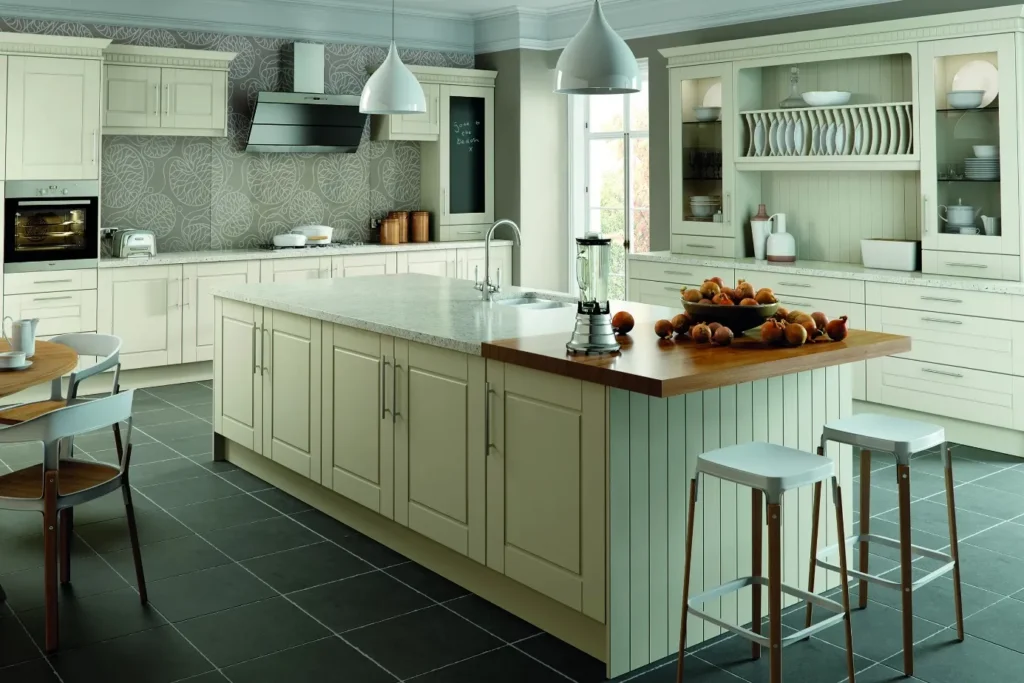

Kitchen trends can change quickly, but some styles remain popular because they adapt easily to different interiors. Shaker cabinetry is one of the clearest examples. Its simple framed design works in traditional homes, contemporary spaces and everything in between, making it a practical choice for homeowners who want a kitchen that will not feel dated too quickly.
Rather than relying on heavy decoration, Shaker doors use proportion and clean lines to create character. The result is a style that can be changed significantly through colour, handles, worktops and lighting without losing its identity.
Why Shaker Design Has Lasting Appeal
The defining feature of Shaker cabinetry is the recessed centre panel surrounded by a simple frame. This detail adds depth without making the door feel overly ornate. It is one reason the style works equally well in period properties and newer homes.
Choosing kitchen shaker doors can also give homeowners more freedom with the rest of the room. Soft neutral shades can create a calm, classic look, while darker blues, greens or greys can make the same basic design feel more contemporary.
The style can therefore evolve with changing tastes rather than locking the kitchen into one very specific trend.
Colour Can Completely Change the Mood
Colour plays a major role in how Shaker cabinetry is perceived. White and cream remain familiar choices, especially in smaller kitchens where lighter tones can help the space feel more open.
However, stronger shades are increasingly common. Deep green, navy and charcoal can introduce more depth, particularly in larger rooms or kitchens with good natural light.
Homeowners who do not want to commit to a strong colour across the entire room can use it selectively. An island, tall cabinet section or lower units can provide contrast while lighter upper cabinets keep the scheme balanced.
Handles Help Define the Final Style
Hardware can shift Shaker cabinetry from traditional to modern with very little effort. Cup handles and rounded knobs can reinforce a classic look, while slim bar handles create a cleaner, more contemporary effect.
Mixing knobs and handles can also work well when it is done consistently. Doors may use knobs while deep drawers use longer pulls for easier access.
Before drilling new fronts, it is worth testing handle positions to make sure they are comfortable to use. Appearance matters, but kitchen hardware is handled constantly, so practicality should guide the decision.
Refreshing Existing Cabinets Instead of Replacing Everything
Not every kitchen renovation needs to involve new units. If the cabinet carcasses are still in good condition and the layout works well, kitchen fronts replacement can provide a more focused way to update the room.
This approach allows homeowners to change the visible style while keeping serviceable structures in place. It can also reduce disruption because plumbing, flooring and worktop layouts may remain largely unchanged.
Before ordering new fronts, each existing door and drawer front should be measured individually. It is also useful to check the condition of hinges and drawer mechanisms, as worn hardware may affect the final result.
Worktops and Splashbacks Should Support the Cabinetry
Because Shaker doors contain visible framing, surrounding materials should complement rather than compete with them. Timber-effect worktops can add warmth, while stone or stone-effect surfaces often create a more refined appearance.
Splashbacks provide another opportunity to influence the room. Plain tiles allow the cabinetry to remain the main feature, whereas patterned designs can introduce more personality.
The key is balance. If the cabinet colour is already bold, a simpler worktop and splashback can prevent the space from feeling too busy.
Lighting Matters More Than Many Homeowners Expect
The same cabinet colour can look very different throughout the day. Natural light, ceiling fixtures and under-cabinet lighting all affect how the finish is perceived.
Warm lighting can soften certain tones, while cooler lighting may make greys and whites appear sharper. Viewing samples in the actual kitchen before making a final decision can therefore be useful.
Task lighting is also important around work areas. Good illumination improves usability while helping the details of framed cabinetry stand out.
Conclusion
The continued popularity of Shaker cabinetry comes from its adaptability. The basic design is recognisable, but it does not dictate one particular colour scheme, handle style or type of worktop.
That flexibility makes it suitable for homeowners who want a kitchen that can change gradually over time. Handles can be replaced, walls repainted and accessories updated without requiring the cabinetry itself to be changed again.
A successful kitchen should feel appropriate to the home, practical for daily use and easy to live with beyond the first few months after renovation. Shaker-style fronts provide a strong foundation for achieving that balance.
