

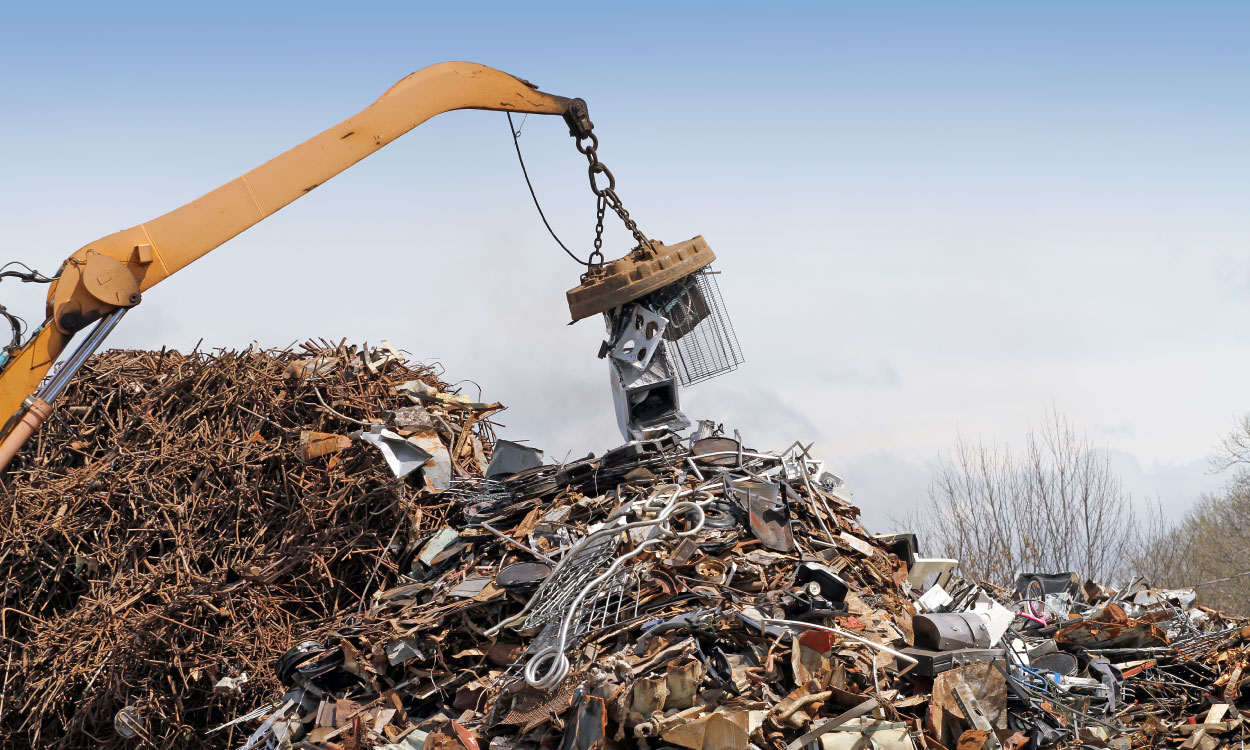

Old cables in a workshop, alloy wheels from a vehicle repair, redundant electric motors and leftover brass plumbing components may look like waste. In reality, they are valuable secondary raw materials that can be recovered, processed and returned to productive use. Local scrap metal services make that transition possible by connecting households and businesses with the wider recycling supply chain.
This connection matters because a circular economy depends on more than good intentions. Materials must be identified correctly, stored safely, collected efficiently and sent to suitable processors. By making those steps practical, reputable local recyclers help reduce waste, conserve resources and strengthen the UK’s access to materials that manufacturers continue to need.
Turning Unwanted Metal into a Useful Resource
The traditional linear model of production follows a simple pattern: extract, manufacture, use and discard. A circular model aims to keep materials in use for longer through reuse, repair, refurbishment and recycling. Scrap metal is particularly well suited to this approach because many metals can be recycled repeatedly without losing their essential properties.
Non-ferrous metals are especially important. Copper, brass, aluminium and lead are widely used across construction, transport, electronics, energy infrastructure and manufacturing. When these materials are recovered locally, they can be sorted and prepared for refining rather than being lost in mixed waste streams.
For a homeowner, finding a nearby scrap metal yard (scrap yard metal near me) may simply seem like a convenient way to clear a garage. At an economic level, however, that decision helps retain material value, supports specialist employment and reduces dependence on newly mined resources.
Why Local Access Makes Recycling More Effective
Convenience has a direct influence on recycling behaviour. If the correct outlet is difficult to find, unclear about accepted materials or unable to handle a particular volume, potentially recyclable metal may remain in storage or enter an unsuitable waste stream. Local services remove much of that friction.
A well-run scrap metal provider can help customers:
- Identify common grades and types of non-ferrous metal.
- Separate higher-value materials from mixed or contaminated loads.
- Arrange collection for commercial or bulky quantities.
- Understand how weight, grade and market conditions affect value.
- Receive the paperwork required for responsible waste handling.
- Move materials into established processing and refining channels.
These services are useful to individuals, but their impact is even greater for garages, electricians, plumbers, demolition contractors, facilities teams and manufacturers. Such organisations often generate metal regularly, making consistent sorting and collection an important part of both environmental performance and cost control.
Supporting UK Resource Security
Recovering metal is not only a waste-management issue. It is also a matter of resource efficiency and supply resilience. Modern infrastructure relies heavily on non-ferrous metals. Copper is essential for wiring, motors and electrical systems, while aluminium is widely used where low weight and corrosion resistance are priorities. Brass, lead and other metals continue to serve specialised roles across industry.
Demand for these materials is likely to remain strong as the UK upgrades energy systems, expands electrification and develops lower-carbon technologies. Secondary metals cannot eliminate the need for primary extraction, but they can reduce pressure on virgin resources and provide manufacturers with an additional source of raw material.
Recycling metals also generally requires substantially less energy than producing them from ore. The exact saving varies by material and process, but the direction is clear: retaining existing metal within the economy can reduce the energy, emissions and environmental disturbance associated with mining and primary production.
What Happens After Metal Is Collected?
Effective recycling involves far more than placing different items into a skip. Once collected, scrap must move through several controlled stages before it can re-enter manufacturing.
- Inspection: Materials are checked to determine type, grade and condition.
- Sorting: Copper, brass, aluminium, lead and mixed components are separated because each stream has different properties and values.
- Preparation: Depending on the material, preparation may include stripping, dismantling, cutting or shredding.
- Removal of contaminants: Non-metallic parts and unsuitable fractions are removed to improve processing quality.
- Refining: Prepared material is sent to specialist partners for smelting or further treatment.
- Reintroduction: Recovered metal becomes feedstock for new products and components.
Accurate sorting is commercially important because not all scrap has the same composition. Clean copper cable, mixed wiring looms, brass fittings and electric motors require different assessment methods. Transparent classification helps suppliers understand what they are selling and supports fairer, more consistent pricing.
Collections Help Businesses Close the Loop
Transport can become a barrier when a business has heavy equipment, recurring volumes or limited staff time. Searching for scrap metal collection near me is therefore often the first practical step towards establishing a reliable recycling process.
A scheduled collection service can prevent scrap from taking up valuable floor or yard space. It can also reduce ad hoc journeys, improve site organisation and make environmental reporting easier. For the best results, businesses should estimate volumes, describe the materials accurately and explain whether loading equipment or restricted-access arrangements will be required.
Blancomet works with suppliers ranging from one-time sellers to industrial partners, purchasing non-ferrous materials such as copper cables, wiring looms, brass, alloy wheels, lead, alternators, starters and electric motors. Its UK network combines practical collection options with grading, preparation and access to downstream refining partners. This gives organisations a straightforward route from unwanted material to responsible recovery.
How to Get More Value from Scrap Metal
Good preparation can improve both recycling outcomes and the clarity of a quotation. Before contacting a recycler, consider taking the following steps:
- Separate metals by type. Avoid mixing copper, brass, aluminium and lead where possible.
- Keep loads clean. Excessive dirt, plastic, wood or general waste can affect grading and processing.
- Store materials securely. Protect valuable metals from theft, weather exposure and accidental contamination.
- Record recurring volumes. A basic log can help determine whether scheduled collections would be more efficient.
- Provide photographs in advance. Clear images may help a recycler understand the likely grade and collection requirements.
- Ask how pricing works. Quotes may reflect metal type, purity, weight, preparation costs and current commodity markets.
- Confirm documentation. Responsible providers should explain the records associated with collection and transfer.
It is also wise to choose a recycler based on more than the headline price. Prompt payment, transparent grading, compliant documentation and dependable collections all have real operational value. An unclear quote can become less attractive if materials are downgraded without explanation or collection arrangements repeatedly fail.
Small Local Decisions Create System-Wide Benefits
A circular economy is built through thousands of practical decisions. A garage that separates alternators from general waste, an electrician who recovers cable offcuts and a facilities manager who schedules collections are all helping valuable resources remain in circulation.
Local scrap metal services turn these individual actions into a connected recovery system. They aggregate small quantities, prepare mixed materials and channel metals towards processors capable of returning them to industry. At the same time, they can provide suppliers with fair value for materials that might otherwise be treated as a disposal problem.
If unwanted non-ferrous metal is accumulating at your home, workshop or commercial site, take stock of what you have, separate it where practical and speak with an experienced recycler such as Blancomet about grading, pricing and collection. That simple action can free up space, recover financial value and contribute to a more resource-efficient UK economy.
