


In the modern corporate ecosystem, risk management has evolved far beyond financial auditing and data security protocols. Today, an organisation’s most significant operational asset—and its potential point of vulnerability—is its workforce. Maintaining a safe, productive, and legally compliant working environment requires a proactive approach to health and safety. For businesses operating in high-stakes sectors, establishing clear, robust compliance frameworks is not merely an administrative choice; it is a fundamental operational necessity.
When individuals fail to maintain the required standards of workplace safety, the ripple effects can devastate productivity, compromise team morale, and expose an enterprise to severe legal liabilities.
The True Cost of Workplace Impairment
Whether managing a corporate office, a busy logistics hub, or a complex manufacturing facility, operational safety must always remain a priority. Staff impairment due to controlled substances represents a substantial risk to any business infrastructure. It leads to increased absenteeism, a higher frequency of workplace accidents, and a measurable decline in overall output quality. Under the Health and Safety at Work etc. Act 1974, employers in the UK possess a strict duty of care to ensure the well-being of their workforce, meaning that turning a blind eye to these risks is simply not an option.
Implementing a Robust Verification Framework
Developing a reliable deterrent requires moving past surface-level observations and implementing an objective, scientifically rigorous screening framework. A well-designed corporate screening policy acts as a shield, protecting both the workforce and the brand’s public reputation.
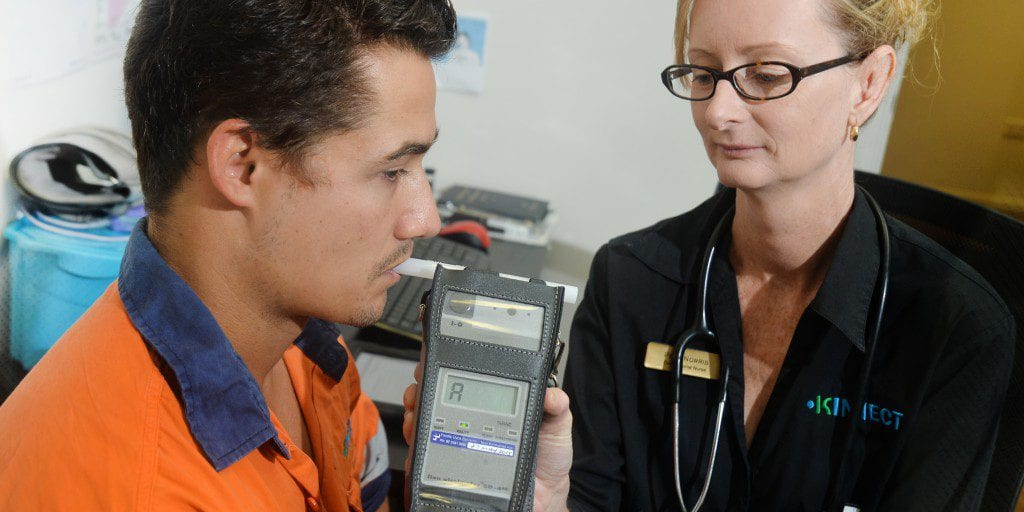
For leadership teams looking to implement or upgrade their workplace screening protocols, partnering with a certified provider of drug and alcohol testing services is the most effective way to guarantee compliance. Working with a specialist laboratory like Certis Bio Labs ensures that all biological collections—whether executed as part of a pre-employment screening, a random monitoring scheme, or a post-incident investigation—are conducted under strict chain-of-custody conditions, producing legally defensible and highly accurate results.
Preserving Culture and Protecting Assets
The introduction of a professional screening programme should not be viewed as a measure of distrust. Instead, it should be communicated as a vital investment in collective workplace safety. When employees know that their employer actively maintains a substance-free environment, it fosters a profound sense of psychological security. Furthermore, in the event of a regulatory audit or an insurance claim, having documented, legally sound testing records provides indisputable proof that your business took every reasonable step to minimise operational risk.
A Proactive Stance on Corporate Safety
Ultimately, protecting a modern enterprise requires a comprehensive strategy that addresses physical, legal, and operational vulnerabilities simultaneously. By incorporating accurate biological tracking into your broader health and safety architecture, you eliminate ambiguity from your compliance strategy. Prioritise workplace safety, safeguard your organisational infrastructure, and build a resilient corporate culture that supports long-term commercial success.
