

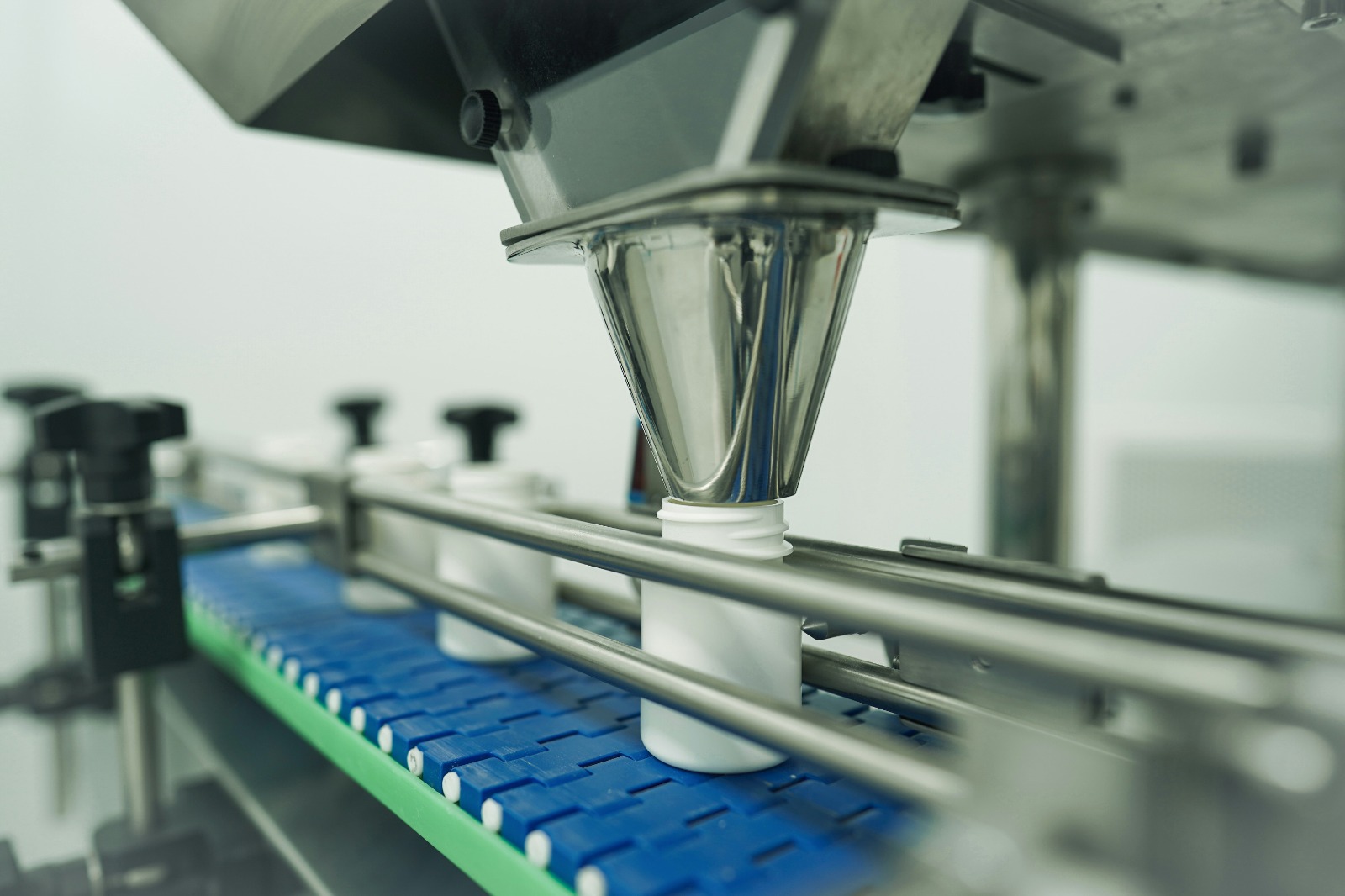

In the fast-moving world of material handling, conveyor systems are the silent engines that keep production lines moving. From food processing plants to packaging facilities, these systems help businesses transport products quickly, safely, and efficiently. But not all conveyors are designed for the same job. When it comes to handling products that need spacing, alignment, or controlled distribution, the choice often comes down to Spreader Conveyor vs Traditional Conveyor Systems, making the role of a Spreader Conveyor increasingly important in modern production environments.
So, which is better? The answer depends on what your operation demands.
Traditional conveyor systems have long been the standard for moving goods from one point to another. They are reliable, straightforward, and highly effective for basic transportation tasks. Whether using belt conveyors, roller conveyors, or chain-driven systems, their purpose remains simple: move products efficiently through a production line.
For many industries, this simplicity is enough. Traditional conveyors are often cost-effective, easy to maintain, and adaptable to a wide range of materials. They work well when products only need to travel from one station to another without any adjustment in positioning. In warehouses and manufacturing environments where speed and consistency are priorities, traditional conveyors remain a dependable solution.
However, production requirements have evolved. Modern manufacturing often demands more than simple transportation. Products may need to be evenly spaced before packaging, spread across a wider belt for cooling, or aligned precisely for inspection. This is where a Spreader Conveyor becomes essential.
Unlike traditional systems, a Spreader Conveyor is designed not just to move products but to separate and distribute them in a controlled manner. It adjusts product spacing automatically, helping create smoother transitions between production stages. This function is especially valuable in industries such as baking, food processing, and packaging, where product flow must remain organised for efficiency and quality control.
The benefits of using a Spreader Conveyor can be significant. Spacing products evenly, it reduces bottlenecks and minimises the risk of jams further down the line. It also improves operational accuracy, ensuring products arrive in the correct position for the next process. This can lead to better productivity, less manual intervention, and improved product consistency.
Traditional conveyor systems, while dependable, often require additional mechanisms or manual labour to achieve the same result. If products bunch together or move unevenly, operators may need to intervene, slowing down the workflow. In contrast, a Spreader Conveyor automates this process, making production lines more streamlined and reducing downtime.
Another important difference lies in flexibility. Traditional conveyors are ideal for simple movement, but they may struggle when handling delicate or irregularly spaced products. A Spreader Conveyor offers greater control, making it suitable for operations where product handling precision matters. For example, freshly baked goods coming out of an oven may need to be spaced for cooling or packaging—something a traditional conveyor alone may not handle efficiently.
That said, “better” does not always mean “more advanced.” Traditional conveyor systems are often the better choice for businesses with straightforward transport needs. They are generally less expensive upfront and easier to install. If your production line only requires basic movement without product spacing or distribution, investing in a specialised system may not offer enough added value.
On the other hand, if efficiency, automation, and precision are critical, a Spreader Conveyor can provide a clear advantage. It enhances line performance by organising product flow, which can improve downstream operations and reduce labour demands. Over time, these gains can offset the higher initial investment.
Choosing between the two comes down to understanding your process. If your operation values simplicity and affordability, traditional conveyors are a practical solution. But if your workflow depends on accurate spacing and smoother product handling, a Spreader Conveyor may be the smarter long-term investment.
In the end, neither system is universally “better”; they are built for different purposes. Traditional conveyors excel at straightforward transportation, while Spreader Conveyor systems deliver added efficiency where spacing and control are essential. For businesses evaluating the best fit for their production needs, consulting experienced manufacturers such as Wirebelt can help identify the right conveyor solution for improved performance and reliability.
