

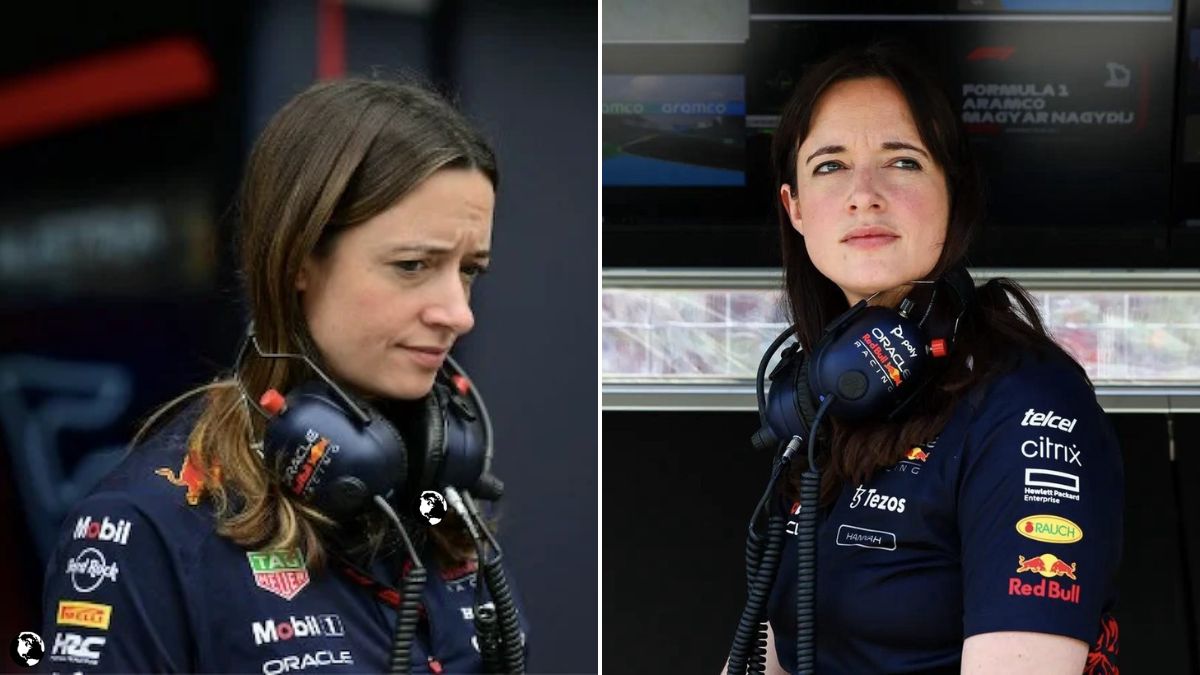

Formula 1 is often defined by speed, precision, and the brilliance of its drivers. Yet behind every successful race lies a layer of strategic thinking that shapes outcomes long before the checkered flag appears. One of the most influential figures in that unseen world is hannah schmitz, whose work has quietly guided some of the sport’s most decisive victories.
Her role is not about visibility but impact. From the pit wall, she interprets complex data streams and transforms them into clear decisions at critical moments. The difference between winning and finishing off the podium can come down to a single call, and her consistency in making those calls has established her as one of the most respected strategists in modern Formula 1.
Who is Hannah Schmitz?
Hannah schmitz is a Principal Strategy Engineer at Red Bull Racing, one of the most competitive teams in Formula 1. Her responsibilities sit at the intersection of engineering, analytics, and race execution.
She is part of the group that determines how a race unfolds from a strategic standpoint. Every decision—whether to pit early, extend a stint, or react to a safety car—relies on precise judgment. Her role requires not only technical expertise but also the ability to stay composed when the margin for error is minimal.
Early Life and Education
A strong academic background laid the foundation for her career. She studied Mechanical Engineering at the University of Cambridge, where analytical thinking and problem-solving were central to her training.
That environment sharpened her ability to break down complex systems into manageable insights. These skills later translated directly into her work in Formula 1, where understanding performance variables is essential.
Her path reflects a clear progression from academic excellence to practical application at the highest level of motorsport.
Journey into Formula 1
Entering Formula 1 requires more than technical knowledge. It demands adaptability, persistence, and a willingness to learn within a fast-moving environment.
After joining Red Bull Racing in a graduate role, she gained experience across different engineering functions. Over time, her strengths became evident in areas that required both data interpretation and real-time thinking.
Her transition into the strategy team marked a turning point. It placed her in a position where her decisions could directly influence race outcomes, and she quickly proved capable of handling that responsibility.
Role at Red Bull Racing
Understanding Her Position
Within the structure of the team, she leads strategic planning during race weekends. This includes preparing simulations before the race and adjusting tactics as events unfold.
The role involves constant communication with engineers and drivers, including figures like Max Verstappen. Strategy decisions must align with the car’s performance, track conditions, and the behavior of competitors.
Why Strategy Matters
In Formula 1, performance is not determined solely by speed. Tire wear, weather conditions, and race incidents all influence the outcome. A well-timed decision can transform a challenging race into a victory.
Her ability to identify opportunities in these variables has become one of her defining strengths.
How Race Strategy Works in Formula 1
Race strategy combines preparation and reaction. Before a race begins, teams simulate multiple scenarios, estimating how different approaches might play out.
During the race, those plans evolve. Data arrives continuously, showing how tires are performing, how competitors are reacting, and how track conditions are changing.
At that point, the strategist must decide:
- When to pit
- Which tires to use
- Whether to adapt or stay with the original plan
Each choice carries risk. Acting too early can compromise performance later, while waiting too long can result in lost track position. The ability to balance these factors defines effective strategy work.
Defining Moments on the Pit Wall
Certain races have highlighted the impact of her decision-making. Situations where the expected approach did not deliver often required alternative strategies.
In those moments, the willingness to deviate from standard plans made a difference. Choosing an unconventional tire sequence or delaying a pit stop can create an advantage that others fail to anticipate.
These decisions are not random. They come from a deep understanding of race dynamics and the confidence to act when the situation demands it.
Decision-Making Under Pressure
Maintaining Clarity
A Formula 1 race unfolds at high speed, with multiple variables changing simultaneously. The strategist must filter out unnecessary noise and focus on what matters.
Clarity of thought is essential. Decisions must be communicated quickly and executed without hesitation.
Working as a Team
Strategy is not isolated work. It depends on collaboration across departments. Engineers provide technical data, analysts offer projections, and drivers give feedback from the track.
Her role is to bring these inputs together into a single, actionable plan. This ability to integrate information is what allows strategy decisions to succeed in real time.
Salary and Professional Value
The financial side of Formula 1 reflects the level of expertise required. Senior engineering roles, particularly those influencing race outcomes, are compensated accordingly.
Although specific figures are not publicly confirmed, the importance of the position is clear. Strategic decisions affect not only race results but also championship standings and team performance over an entire season.
Her contribution extends beyond individual races, shaping the consistency and competitiveness of the team.
Personal Life and Privacy
Information about her personal life, including details related to hannah schmitz husband, is limited. This reflects a deliberate choice to maintain privacy.
In a sport where attention often focuses on drivers, many team members prefer to keep their personal lives separate from their professional roles. This approach allows them to focus fully on their work without unnecessary public scrutiny.
Influence on Motorsport Culture
Her presence in Formula 1 represents a broader shift within the sport. Engineering and strategy roles are becoming more visible, highlighting the importance of diverse perspectives.
For many aspiring engineers, her career offers a clear example of what is possible through dedication and expertise. It also reinforces the idea that success in motorsport is built on collaboration, not just individual performance.
Conclusion
The impact of hannah schmitz is measured not in headlines but in results. Her decisions shape races in ways that are not always immediately visible, yet they are essential to success.
Her journey reflects a combination of technical skill, clear thinking, and the ability to perform under pressure. In a sport where every detail matters, those qualities define excellence.
As Formula 1 continues to evolve, the role of strategy will remain central. Professionals like her ensure that every race is not only a contest of speed but also a demonstration of intelligence and precision.
FAQs
What does Hannah Schmitz do in Formula 1?
She leads race strategy at Red Bull Racing, making decisions on pit stops, tire choices, and race tactics in real time.
What is her role during a race?
She analyzes live data and determines the best course of action to maximize performance and results.
Is her salary publicly known?
Exact figures are not disclosed, but her role is considered one of the most valuable within a Formula 1 team.
Is there information about her husband or family?
Details about her personal life are kept private, including any information related to her husband.
Why is her role important in Formula 1?
Strategic decisions can determine race outcomes, making her role critical to a team’s success.
