

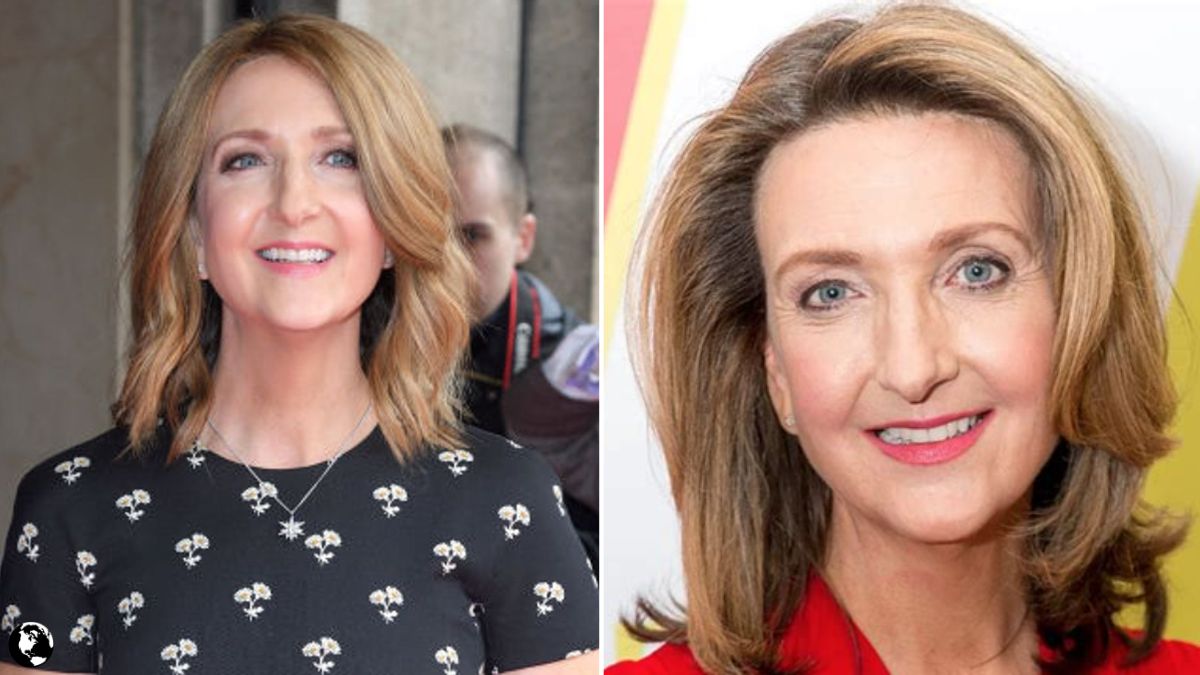

Victoria Derbyshire stands as one of the most influential figures in modern British journalism. Her work is defined by clarity, moral seriousness, and an unwavering commitment to fairness. Over decades in broadcasting, Victoria Derbyshire has shaped public conversations on politics, social justice, and accountability while maintaining a deeply human approach to storytelling.
Her career reflects both professional excellence and personal resilience. From radio studios to national television, from moments of public scrutiny to private health battles, Victoria Derbyshire’s journey offers insight into how journalism can serve the public without losing its integrity or compassion.
Early Life and Education
Victoria Derbyshire was born in April 1968 and raised in Lancashire. Her upbringing played a central role in shaping her perspective as a journalist. Growing up in a working-class household gave her a grounded understanding of social inequality, personal struggle, and the everyday realities faced by many people across the UK.
Her academic background in English strengthened her ability to communicate complex ideas with precision and clarity. This foundation later became evident in her interviewing style, which prioritises listening as much as questioning. Victoria Derbyshire’s age places her among a generation of journalists who witnessed major shifts in British media, from traditional broadcasting to digital-first reporting.
Entering Journalism and Early Career
Victoria Derbyshire began her journalism career in radio, a medium that demands clarity, credibility, and trust. She worked her way through local broadcasting before securing roles at the BBC. Radio shaped her instincts as a journalist, teaching her to rely on substance rather than spectacle.
Her early reporting focused on current affairs, crime, and social policy. These formative years established her reputation as a presenter who approached difficult topics with seriousness and care. Long before she became a television figure, Victoria Derbyshire was already known for asking direct questions without resorting to confrontation.
BBC Career and National Recognition
Victoria Derbyshire’s long tenure at the BBC marked a period of professional growth and increasing influence. As a presenter on BBC Radio 5 Live, she became a trusted voice during national conversations about public safety, government accountability, and social change.
Her ability to maintain editorial independence while working within a major public broadcaster earned respect from colleagues and audiences alike. Victoria Derbyshire did not rely on sensationalism. Instead, she built credibility through preparation, consistency, and ethical reporting.
This approach helped her transition seamlessly into television, where her presence carried the same authority she had established in radio.
The Victoria Derbyshire Show
A Distinctive Approach to Current Affairs
The launch of The Victoria Derbyshire Show represented a shift in how serious journalism could be presented on television. The programme combined investigative reporting with real-time audience engagement, allowing viewers to contribute directly to national discussions.
The show addressed issues often overlooked or simplified elsewhere, including domestic abuse, mental health, social care, and institutional failures. Victoria Derbyshire created an environment where difficult conversations could unfold without interruption or distortion.
Editorial Integrity and Public Trust
What distinguished the programme was its tone. The show avoided theatrics and focused on substance. Interviews were structured to allow accountability while respecting the experiences of those involved. This approach reinforced Victoria Derbyshire’s reputation as a journalist committed to truth rather than performance.
Despite its loyal audience and editorial value, the programme ended in 2020 following budgetary decisions. The cancellation sparked debate about the future of in-depth journalism on mainstream television, particularly programming that prioritises public service over ratings.
Interviewing Style and Professional Philosophy
Victoria Derbyshire’s interviewing style is rooted in preparation and restraint. She does not dominate conversations or rush responses. Silence is used intentionally, allowing interviewees space to speak honestly.
This technique has proven effective in interviews with politicians, survivors, and public figures alike. Her questions are direct but measured, ensuring clarity without hostility. The result is journalism that informs without inflaming.
Victoria Derbyshire’s work demonstrates that authority does not require aggression. Her style has influenced younger journalists seeking to combine ethical standards with editorial strength.
Personal Life and Relationships
While Victoria Derbyshire is a public figure, she has maintained clear boundaries around her private life. Details about her early marriage, including Victoria Derbyshire’s first husband, remain largely undisclosed. This choice reflects her belief that professional credibility should not depend on personal exposure.
She is married to journalist Mark Sandell, and together they have children. Balancing family life with a demanding media career has been a consistent theme throughout her professional journey. Her ability to sustain both roles without compromise has resonated with many who work in high-pressure environments.
Health Journey: Breast Cancer and Illness
Diagnosis and Treatment
In 2016, Victoria Derbyshire was diagnosed with breast cancer. Rather than retreat from public life, she chose to document her treatment process. Her decision to share this experience was rooted in transparency and public health awareness.
Victoria Derbyshire’s breast cancer diagnosis required surgery and chemotherapy. She spoke openly about the physical and emotional toll of treatment, presenting illness not as a narrative of heroism, but as a lived reality.
Public Impact of Openness
By addressing her illness without sentimentality, Victoria Derbyshire contributed to a broader understanding of cancer and recovery. Her video diaries were factual, calm, and informative. They provided reassurance to others navigating similar experiences while reinforcing the importance of early diagnosis.
Her approach transformed personal vulnerability into a meaningful public service. The way Victoria Derbyshire discussed illness aligned with the same principles that define her journalism: honesty, clarity, and responsibility.
Awards, Recognition, and Professional Standing
Victoria Derbyshire has received multiple industry awards, including BAFTA and Sony Radio Academy honours. These recognitions reflect consistent excellence rather than isolated achievements.
Her standing within British journalism is defined less by accolades and more by trust. Audiences rely on her to approach sensitive topics with seriousness and respect. Colleagues regard her as a benchmark for ethical broadcasting.
Victoria Derbyshire’s career demonstrates that credibility is built over time through consistent standards and principled decision-making.
Contribution to British Journalism
Victoria Derbyshire’s influence extends beyond individual programmes. She has helped reshape expectations around how current affairs are presented. Her work has shown that journalism can be rigorous without being alienating, and compassionate without losing authority.
She has championed underrepresented voices while maintaining a clear distinction between advocacy and reporting. This balance has become increasingly important in a media landscape shaped by polarisation and misinformation.
Through her career, Victoria Derbyshire has reinforced the idea that journalism serves the public best when it prioritises understanding over outrage.
Conclusion
Victoria Derbyshire’s career reflects the highest standards of British journalism. Her work is marked by integrity, resilience, and a commitment to truth. From her early radio days to national television, from professional milestones to personal health challenges, she has remained guided by principle rather than pressure.
Her impact lies not only in the stories she has covered, but in how she has covered them. Victoria Derbyshire continues to represent a model of journalism that is accountable, humane, and enduring.
FAQs
What is Victoria Derbyshire’s age?
Victoria Derbyshire was born in April 1968.
Was Victoria Derbyshire married before?
Victoria Derbyshire has chosen not to publicly share details about her first husband.
Did Victoria Derbyshire have breast cancer?
She received a breast cancer diagnosis in 2016 and completed medical treatment.
Has Victoria Derbyshire spoken publicly about illness?
She discussed her breast cancer openly, focusing on awareness and recovery.
Is Victoria Derbyshire still active in journalism?
Yes. She continues to contribute to journalism and public discourse.
