

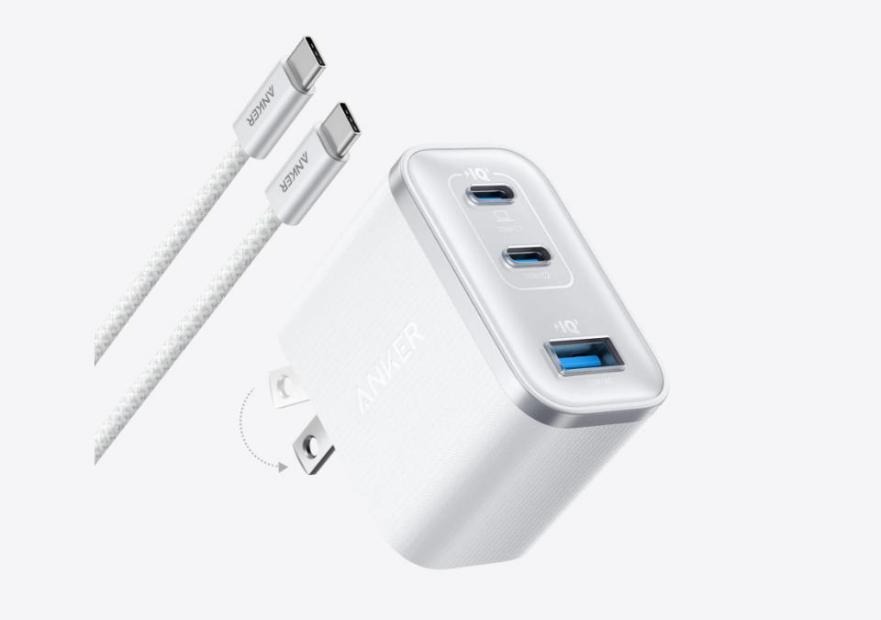

Phone chargers used to be known for “vampire power”—the trickle of electricity they continued consuming even when no device was connected. Today, as homes fill with chargers for phones, laptops, earbuds, and tablets, reducing this idle waste has become an important part of energy-efficient living. The way a charger regulates standby current, manages internal components, and monitors safety has a direct impact on how much electricity is lost while sitting in the wall. Modern designs, including compact fast chargers such as the Anker Nano Charger (70W, 3 Ports), incorporate smarter electronics that significantly lower this passive consumption. Understanding how chargers reduce idle power explains why some models save more energy than others—and why the charger you choose matters more than ever.
What Actually Happens Inside a Charger When No Device Is Connected?
Standby Control Determines Baseline Consumption
Even when nothing is plugged in, a phone charger must remain “awake” enough to detect when a device is connected. This small readiness state draws power. Older chargers maintained a constant supply through resistors and transformers that continued operating at their normal capacity. Modern chargers rely on advanced switching controllers that dramatically reduce the baseline draw when idle. These components shut down nonessential circuits and maintain only a minimal sensing current. Since a wall charger may remain plugged in 24 hours a day, these small design differences add up to measurable energy savings over weeks and months. A premium model uses tightly regulated circuitry to avoid waste instead of allowing unnecessary micro-loads to persist.
Smarter Chips Prevent Unnecessary Voltage Cycling
Some traditional chargers repeatedly cycle small bursts of voltage through the output port while waiting for a device to connect. This was partly due to the way earlier USB designs signaled readiness. Today’s optimized chargers use intelligent chips that stabilize their detection systems. They no longer rely on constant output checks; instead, they wake only when needed. With features like real-time thermal oversight and efficient power switching, models such as the Anker Nano Charger naturally avoid wasted voltage cycles. These refinements lower idle consumption significantly without compromising responsiveness. For users who keep chargers in home offices, nightstands, and travel bags, this kind of optimization reduces cumulative energy costs.
Controlled Thermal Behavior Supports Energy Efficiency
Idle chargers still produce a small amount of heat when electricity flows through coils and capacitors. High temperatures increase energy loss, as materials become less efficient at holding and transferring power. That’s why temperature-aware charging systems play a role even when the charger is not actively charging a device. The Anker Nano Charger incorporates ActiveShield 4.0, which monitors heat and adjusts operating levels to maintain cooler surfaces—typically up to 50°F (10°C) lower than common thresholds. Cooler internal temperatures reduce passive energy leakage and prolong component lifespan. Stable temperatures also ensure that the charger doesn’t re-activate circuits unnecessarily, helping keep idle consumption predictable.
How Charger Design Choices Reduce Energy Waste in Daily Use?
Efficient Components Lower Idle Power Draw
Engineering choices—coil design, capacitor types, switching transistors, and insulation materials—directly influence how much standby energy a charger consumes. High-quality GaN-based (gallium nitride) chargers tend to be more efficient than older silicon-based ones because they operate at higher frequencies with lower heat. This means they waste less electricity while idling. The Anker Nano Charger uses a design that prioritizes compactness without compromising control of idle leakage. Even though it can deliver a full 70W to a laptop or tablet, it scales power consumption down dramatically when left unused. Users who leave chargers plugged in throughout the day benefit from that efficiency without adjusting their habits.
Multi-Port Chargers Reduce Device-Specific Waste
A single multi-port charger can replace several individual chargers throughout a home or workplace. Instead of consuming standby power across multiple outlets, users rely on one compact hub. A charger with three ports—like the Anker Nano Charger—streamlines this by supporting phones, tablets, and laptops simultaneously. The energy savings come not only from reducing total idle units but also from using one high-efficiency circuit rather than several low-efficiency ones. This consolidated approach matters for households where chargers stay plugged in permanently and act as part of a workstation, bedside setup, or travel kit. Reducing the number of idle chargers reduces unnecessary consumption as a whole.
Compact, Temperature-Stabilized Designs Waste Less Energy
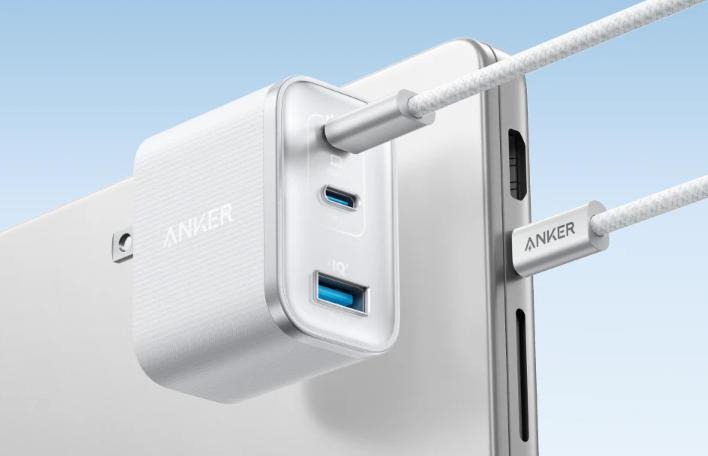
Smaller chargers are not automatically more efficient, but when miniaturization is paired with refined circuitry and safe heat management, the result is lower power loss. A compact footprint reduces the internal space where heat can accumulate and minimizes the materials that can absorb and leak energy. The Anker Nano Charger’s minimalist structure, textured shell, and reinforced frame help maintain a cooler profile, which naturally limits energy dissipation. This combination of compactness and thermal control makes the charger a practical everyday tool: it fits easily into a pocket or travel pouch while ensuring unused power does not silently leave the outlet.
Conclusion
Idle energy waste used to be an unavoidable part of leaving chargers plugged into wall outlets, but newer technologies significantly reduce that consumption through optimized circuits, smarter standby control, and improved thermal behavior. The shift toward efficient components, multi-port consolidation, and intelligent monitoring changes how much electricity a charger draws even when no device is connected. Chargers like the Anker Nano Charger (70W, 3 Ports) illustrate this evolution, combining high output with a thoughtful design that limits idle drain. Whether powering laptops, tablets, or serving as an iphone 16 charger, choosing a model engineered to reduce standby waste creates long-term savings and supports a more sustainable charging routine without requiring users to change their habits.
