

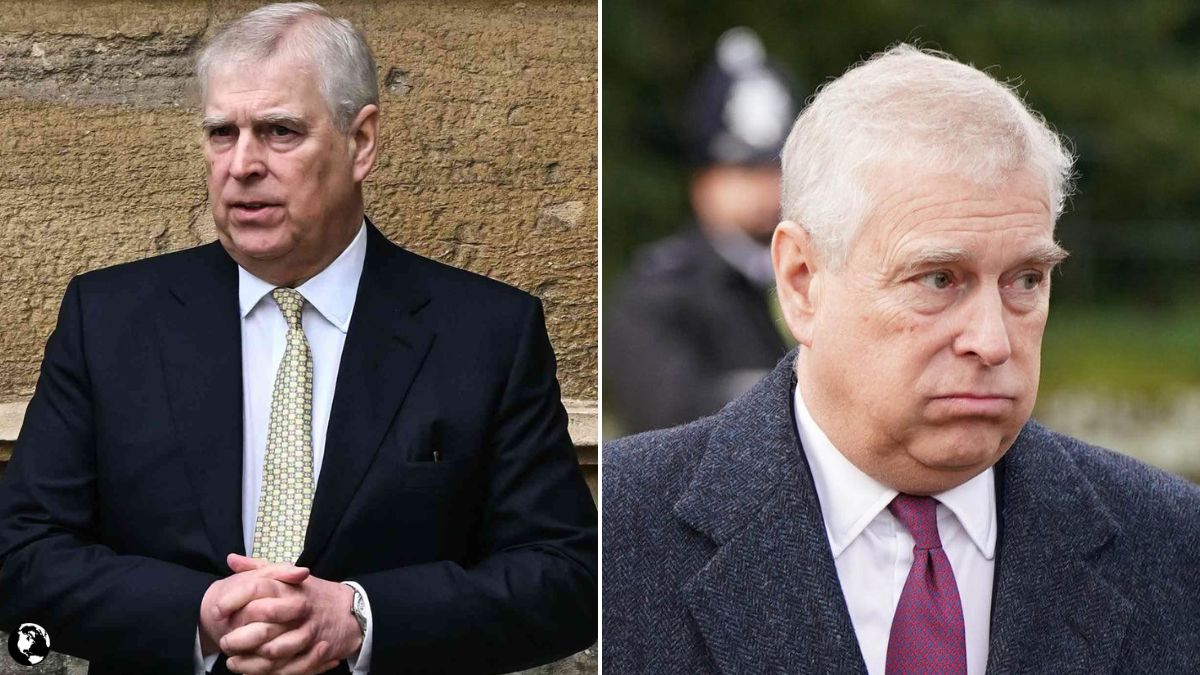

Prince Andrew has long been one of the most complex and controversial figures within the British royal family. Once known primarily as a decorated naval officer and the Duke of York, his public image has shifted dramatically over the past decade. Today, discussions about prince andrew are rarely neutral, often shaped by legal battles, media scrutiny, and questions about the monarchy’s future in a modern, accountability-driven world.
This article offers an in-depth, balanced, and factual look at Prince Andrew’s life, his royal status, the controversies that have defined recent prince andrew news, and what his story reveals about the evolving British monarchy.
Prince Andrew and His Royal Background
Born in 1960 as the third child of Queen Elizabeth II and Prince Philip, prince andrew grew up in a position of privilege and global attention. As a child of the reigning monarch, his early life was defined by elite education, public duty, and the expectation that he would serve the Crown in some capacity.
Unlike his elder brother, King Charles III, Prince Andrew pursued a military career, joining the Royal Navy. His service during the Falklands War in 1982 earned him praise and helped establish his reputation as a capable and courageous officer. At the time, public perception of Prince Andrew was largely positive, and he was often portrayed as a symbol of youthful modernity within the royal family.
The Duke of York: Duties, Titles, and Privileges
Royal Title and Responsibilities
In 1986, Prince Andrew was granted the title Duke of York, a traditional title often reserved for the monarch’s second son. As the Duke of York, he undertook numerous official engagements on behalf of the Crown, both in the UK and internationally.
For many years, the Duke of York focused heavily on trade and investment promotion. He served as the UK’s Special Representative for International Trade and Investment, a role that placed him in contact with global business leaders, politicians, and financiers.
Criticism of His Role
Even before major scandals emerged, critics questioned whether the Duke of York’s business-focused role blurred the lines between public service and private interest. These concerns would later resurface with greater intensity as scrutiny of prince andrew increased.
Prince Andrew in the Public Eye
Throughout the 1990s and early 2000s, Prince Andrew was a familiar figure in royal news coverage. His marriage to Sarah Ferguson, Duchess of York, and their eventual divorce kept him regularly in tabloids and broadsheets alike.
At this stage, prince andrew news tended to focus on royal ceremonies, family dynamics, and his international travel. While he was never as popular as some other royals, he maintained a visible and largely accepted public role.
However, the rise of digital media and investigative journalism would soon change how royal figures were scrutinized, and Prince Andrew would find himself at the center of an unprecedented media storm.
The Epstein Scandal and Its Impact
Association with Jeffrey Epstein
The most damaging chapter in Prince Andrew’s public life involves his association with financier Jeffrey Epstein. Allegations surrounding Epstein’s criminal activities led to intense scrutiny of anyone within his social circle, including prince andrew epstein discussions that dominated global headlines.
Although Prince Andrew has consistently denied wrongdoing, the seriousness of the allegations and the volume of media coverage caused significant reputational damage.
Legal and Reputational Consequences
The impact of the Epstein scandal extended beyond legal considerations. It affected public trust, international perception of the monarchy, and internal royal decision-making. For many observers, the case became a test of how a centuries-old institution handles accountability in the modern era.
The Prince Andrew Interview That Changed Everything
BBC Newsnight Interview
In 2019, Prince Andrew gave a televised interview intended to clarify his position and deny allegations. The prince andrew interview quickly became one of the most discussed royal media moments in recent history.
Rather than restoring confidence, the interview was widely criticized for its tone and perceived lack of empathy. Public reaction was swift, and commentators across the political and cultural spectrum described it as a major misstep.
Aftermath of the Interview
Following the interview, Prince Andrew stepped back from public duties. This marked a turning point, signaling that his role within the royal family had fundamentally changed. For many, the interview symbolized the gap between traditional royal communication and modern expectations of transparency and accountability.
Loss of Titles and Royal Role
In early 2022, Buckingham Palace announced that Prince Andrew would no longer use his military titles or royal patronages. While he remains legally a prince by birth, his practical status within the monarchy has been significantly reduced.
This decision underscored a broader shift in how the institution manages controversy. In the context of prince andrew, it demonstrated that royal privilege is no longer entirely insulated from public opinion and reputational risk.
Prince Andrew’s Place in the Modern Monarchy
A Changed Institution
The British monarchy today operates in a vastly different environment than it did at the start of Prince Andrew’s life. Social media, 24-hour news cycles, and global audiences demand higher levels of accountability.
Prince Andrew’s story illustrates how these pressures can reshape royal roles. While he remains part of the royal family, his absence from public duties reflects a strategic effort to protect the institution’s credibility.
Lessons for the Future
For historians and royal watchers, prince andrew represents a cautionary tale. His experiences highlight the importance of ethical conduct, media awareness, and responsiveness to public concern in sustaining the monarchy’s relevance.
Public Opinion and Media Coverage
Public opinion on Prince Andrew remains deeply divided, though surveys consistently show low approval ratings. Media coverage continues to focus on legal developments, institutional responses, and the broader implications for the royal family.
In recent prince andrew news, the emphasis has shifted from scandal to long-term consequences. Discussions increasingly center on how the monarchy balances tradition with modern standards of responsibility.
Conclusion
The story of prince andrew is not simply about one individual; it is about an institution navigating change under intense public scrutiny. From his early days as a respected naval officer and Duke of York to his withdrawal from public life, Prince Andrew’s journey reflects the evolving expectations placed on royalty.
In the modern monarchy, status alone is no longer sufficient to maintain public trust. Transparency, accountability, and credibility now play a central role. Prince Andrew’s legacy, still unfolding, will likely influence how the royal family approaches public duty for generations to come.
