

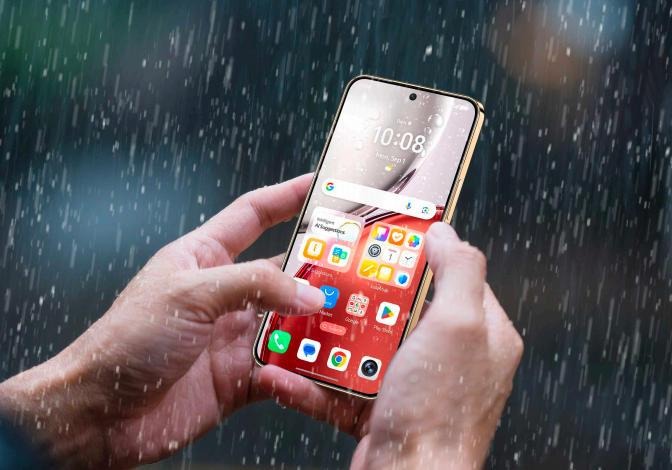

Smartphones influence how we remember moments by changing what we capture, how we revisit experiences and how we share them with others. Instead of relying solely on memory, people use their phones to document events, save photos, record sounds and write notes. These digital traces become anchors that help them recall details they might have forgotten. Smartphones also shape which moments we choose to preserve, often highlighting small interactions, unexpected scenes or everyday joys. As these habits become natural, the device becomes part of the memory process, guiding how we collect, store and emotionally engage with our experiences.
How Smartphones Shape What We Capture and Preserve
Why People Capture Small, Everyday Moments
Smartphones make it easy to record ordinary experiences—morning light, a meal, a quiet street or a quick laugh with a friend. Because the device is always available, people capture moments they would never document with traditional cameras. These small memories often become more meaningful over time because they reflect the rhythm of daily life. A short video or snapshot preserves context, mood and detail in ways the mind may not recall perfectly. This behavior helps individuals build a collection of micro-memories that contribute to a richer personal history. The ease of taking photos encourages people to celebrate moments that might otherwise fade.
How Instant Documentation Strengthens Emotional Recall
Taking a photo or recording a moment reinforces the memory because the act itself builds emotional connection. When users focus on framing an image or capturing a sound, they pay closer attention to the details around them. This heightened awareness makes the memory more vivid. Later, revisiting the media triggers not only visual recollection but also the emotions felt at the time. Travelers, families and creators often use their phones to preserve feelings alongside visuals. This emotional reinforcement helps people remember experiences more deeply and connect with them long after they happened.
Why Smartphones Encourage Personal Storytelling
People often tell stories through their photo collections, journals, notes and short recordings. Smartphones become storytelling tools because they store multiple layers of context—images, words, voice notes and timestamps. This allows users to revisit events and reconstruct narratives with ease. Instead of relying on fragmented memories, they weave together digital pieces to understand what happened and how they felt. Storytelling becomes more dynamic and personal because it blends memory with emotion and detail. Over time, smartphones help individuals build ongoing narratives that define how they interpret their lives.
How Smartphones Help Us Revisit and Deepen Memories
How Photo Libraries Act as Memory Maps
Smartphone albums organize memories chronologically and visually, creating a map of someone’s life. Users swipe through weeks, months or years in seconds, jumping from one event to another. This structure helps them see patterns, personal growth and connections between experiences. Old photos resurface during casual browsing and trigger forgotten memories. The visual timeline becomes a tool for reflection, allowing users to examine their past with clarity. Some people even decide which device to purchase based on how they prefer to store and view memories; during such comparisons, someone may check the HONOR Magic 8 Lite uk price if they want a phone that aligns with their memory-keeping habits.
Why Digital Sharing Strengthens Social Memories
Sharing moments with friends and family creates collective memory. When people send photos, post updates or share reflections, they invite others to participate in their experiences. These shared interactions add layers of meaning to memories because comments, reactions and conversations help reinforce the moment. Even small exchanges—like a friend responding with a similar memory—strengthen emotional bonds. Smartphones make this process immediate and effortless. They transform personal memories into shared narratives that grow through connection. This dynamic helps individuals feel closer to the people in their lives.

How Revisiting Media Helps People Reflect
Smartphones allow users to revisit photos, journals and recordings at any time. This accessibility helps people reflect on their experiences, understand their feelings and appreciate personal growth. Looking back can offer comfort during difficult periods or inspiration during slow moments. When people reflect, they gain perspective that strengthens their emotional well-being. This habit turns their phone into a reflective journal that evolves with them. The ability to revisit memories whenever they choose supports a deeper, more thoughtful connection with their past.
Conclusion
Smartphones influence how we remember moments by transforming what we capture, how we preserve experiences and how we revisit them over time. They make it simple to record both everyday scenes and meaningful events, helping people store visual and emotional details that would otherwise fade. Smartphones also support personal storytelling and collective memory through shared media and conversations. As users browse their photo libraries or revisit their notes, they rediscover forgotten details and deepen their understanding of past experiences. By blending convenience with emotional significance, smartphones become essential tools in shaping how people remember, reflect and connect with the moments that matter most.
