

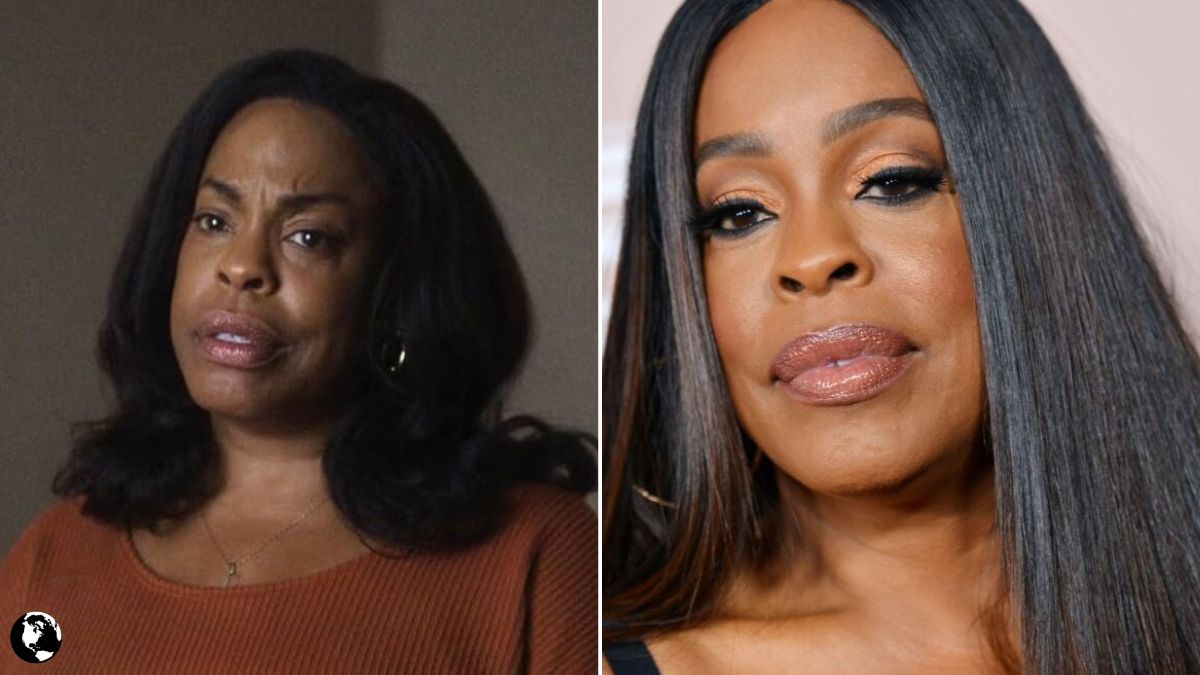

Glenda Cleveland was a Milwaukee resident whose actions became publicly known due to her proximity to and interactions with Jeffrey Dahmer. Her role in reporting concerning behavior to authorities has been documented in court records, police statements, and later media reporting. This article presents a factual, structured overview of Glenda Cleveland life, her actions, and the broader context in which those actions occurred. The focus is on verified information, with care taken not to speculate where records are limited.
Who Glenda Cleveland Was
Glenda Cleveland lived in Milwaukee, Wisconsin, during the late 1980s and early 1990s. She resided in the same neighborhood as Jeffrey Dahmer and had regular exposure to activity in and around his apartment building. She was not a public official, investigator, or journalist. Her involvement arose solely from her position as a neighbor and community member.
Available records describe Glenda Cleveland as attentive to her surroundings and willing to contact authorities when she believed someone was at risk. Her actions were consistent with civic responsibility rather than any formal role in law enforcement or social services.
Living Near Jeffrey Dahmer
Neighborhood Context
Jeffrey Dahmer lived in an apartment building in Milwaukee that housed multiple residents. The area was residential, with families and individuals living in close proximity. Neighbors shared common spaces and were often aware of unusual disturbances, such as noise or odors.
Glenda Cleveland lived nearby and had routine exposure to activity associated with Dahmer’s residence. This proximity placed her in a position to notice patterns that later became relevant to investigations.
Observations and Concerns
According to documented reports, Glenda Cleveland observed behavior she considered suspicious. These observations included unusual interactions involving young individuals and concerning disturbances connected to Dahmer’s apartment. Her concerns were not isolated to a single incident but developed over time based on repeated exposure.
Reports to Authorities
Contacting Law Enforcement
Glenda Cleveland contacted law enforcement on more than one occasion. The most widely documented incident occurred in 1991, when a young teenager was found outside Dahmer’s apartment in a distressed condition. Cleveland and her daughter contacted police to report that the individual appeared injured and unsafe.
Police officers responded to the scene and spoke with Dahmer, who claimed the teenager was his partner and that the situation was a domestic dispute. Despite objections from Cleveland, officers returned the individual to Dahmer’s custody.
Outcome of the Reports
The individual returned to Dahmer later died. This event became a central example cited in later reviews of law enforcement handling of the case. While Glenda Cleveland did not have authority over the outcome, her report is documented as having raised clear concerns that were not acted upon.
Institutional Response and Limitations
Law Enforcement Decisions
Official reviews and commentary following Dahmer’s arrest acknowledged that law enforcement failed to act appropriately during earlier encounters, including the incident reported by Glenda Cleveland. These failures were attributed to a combination of misjudgment, bias, and inadequate assessment of risk.
Glenda Cleveland role is consistently described as that of a reporting witness whose concerns were not taken seriously at the time.
Broader Context
The handling of Cleveland’s reports has since been examined within discussions of systemic issues, including the treatment of community complaints and the evaluation of vulnerable individuals. These discussions rely on documented outcomes rather than speculation about intent.
Public Recognition and Media Coverage
Recognition After the Arrest
Following Dahmer’s arrest, Glenda Cleveland received public acknowledgment for her efforts. Local officials and community members recognized that she had attempted to intervene and had taken appropriate action based on the information available to her.
This recognition did not occur until after the crimes were fully uncovered, reflecting the retrospective nature of public awareness.
Media Portrayals
In later years, Glenda Cleveland was depicted in documentaries and dramatized television series about the Dahmer case. These portrayals generally present her as a concerned neighbor who repeatedly sought assistance from authorities.
While dramatizations may condense timelines or emphasize certain interactions, the core elements of her involvement—reporting concerns and being ignored—are supported by documented sources.
Later Life and Death
Life After the Case
Public records indicate that Glenda Cleveland returned to private life after the conclusion of legal proceedings related to Dahmer. She did not pursue a public role connected to the case and was not known to seek media attention.
Information about her later years is limited, and there is no evidence that she attempted to capitalize on her involvement.
Death in 2011
Glenda Cleveland died in 2011. Basic obituary records confirm the year of her death, though detailed personal information has not been widely published. Public discussion of her death increased years later as renewed attention was brought to the Dahmer case through media releases.
Burial and Privacy
Information regarding Glenda Cleveland burial location has not been made public. This appears to be a deliberate choice respecting family privacy. There is no verified public record identifying a specific gravesite.
In the absence of confirmed details, it is appropriate to note only that her burial arrangements remain private.
Historical Significance
Glenda Cleveland significance lies in her documented actions rather than in any official authority. Her experience is referenced in discussions about:
- The importance of community reporting
- Limitations in institutional responses
- The consequences of disregarding civilian warnings
Her role is often cited in educational and policy-related contexts examining how similar failures might be prevented in the future.
Conclusion
Glenda Cleveland actions are established through documented reports and later reviews of the Jeffrey Dahmer case. She identified behavior she believed posed a risk, reported it to authorities, and persisted despite resistance. The outcomes of those reports were determined by institutions beyond her control.
Her case remains relevant as an example of how individual responsibility and institutional decision-making intersect. The record shows that she acted within her capacity as a private citizen and that her concerns were later recognized as valid.
FAQs
Was Glenda Cleveland a real person?
Yes. Glenda Cleveland was a real individual whose involvement is documented in police records and subsequent reporting.
What was her connection to Jeffrey Dahmer?
She lived near Dahmer and reported concerns about his behavior to law enforcement.
Did police respond to her reports?
Police did respond but did not take action that prevented further harm.
When did Glenda Cleveland die?
She died in 2011, according to publicly available records.
Is her burial location known?
No verified public information about her burial location is available.
