

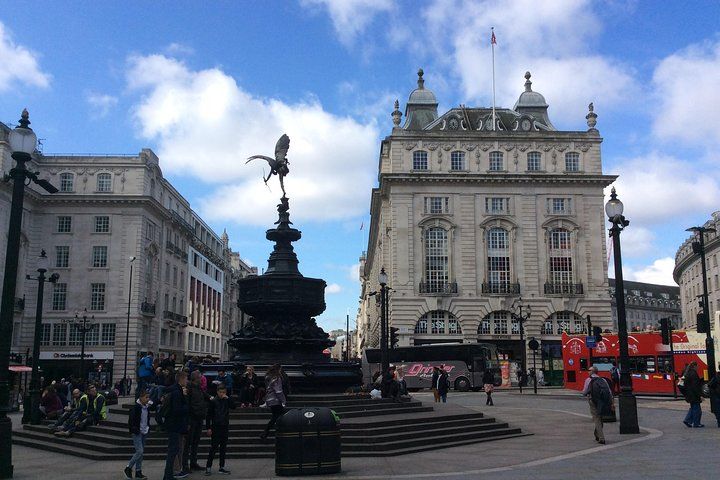

Walk down Wimbledon Broadway or along the river in Kingston on a Friday night and you can still feel a buzz. The pubs are not empty, the theatres are not dark. But talk to families and flatmates over a drink, and a pattern emerges: fewer spontaneous nights out, more carefully planned “big” occasions. One pantomime, not two; one arena concert, not a whole season.
This shift is not just about taste. It is about household maths. Londoners are spending a large slice of their income simply keeping a roof over their heads. The latest Survey of Londoners suggests that renters and mortgage holders now spend an average of 42 per cent of their personal income on housing, with over a third spending more than 40 per cent. Many say they have cut other spending or dipped into savings just to keep up.
At the same time, cultural organisations are still recovering from the pandemic shock. London City Hall’s Cultural Spaces Health Check found that between 2018 and 2022 the capital lost 2 per cent of its cultural spaces; almost three in five remaining organisations say they are now in a worse financial situation than before Covid, and one in three face insecure tenure. A “one big night out instead of three” mentality makes sense for households, but it creates a new kind of pressure for local theatres, galleries and cinemas that need repeat custom to survive.
How is the cost of living changing South-West London nights out?
The cost-of-living crisis is now the main barrier to cultural attendance across the UK. The Audience Agency’s Cultural Participation Monitor, a longitudinal survey of 25,000 people, shows that 78 per cent of respondents are worried about the cost of living, 66 per cent expect to do fewer paid-for leisure activities and 67 per cent say they will look for more free options. Crucially, 61 per cent say the cost-of-living crisis puts them off attending arts and culture events at all.
At a glance
National audience data suggests people are not abandoning culture, but they are cutting the number of paid nights out and becoming far more selective.
In South-West London, that plays out in familiar ways. A family in Wimbledon might still go to the big Christmas panto at New Wimbledon Theatre, but they are less likely to take a risk on a mid-price experimental show in February. A couple in Putney will pay for one “must see” exhibition and then opt for free local events like open studios or outdoor performances for the rest of the season.
This caution is reinforced by wider consumer trends. Recent card-spending data reported by Barclays and picked up by Reuters shows UK consumer spending falling year-on-year in late 2025, as households rein in non-essential purchases. Leisure and hospitality are still competitive, but many people are trading down, cutting back on casual rounds of drinks or moving cinema trips from peak Fridays to cheaper early-week slots. For families who also face rising childcare and transport costs, it becomes logical to cluster spending into a handful of carefully chosen cultural “events” rather than several casual evenings that blur into memory.
At the same time, overall participation in arts and culture remains high. A recent Creative PEC “State of the Nation” report, based on the DCMS Participation Survey, found that around 90 per cent of adults in England engaged with the arts in some way in 2022–23, with about 30 per cent attending theatre and 31 per cent live music in the previous 12 months. The issue is not that culture has lost its appeal, but that the economic conditions are pushing people to compress their outings into fewer, more intense experiences.
From three small outings to one big night, how are families choosing?
Ask parents in Kingston or gap-year twenty-somethings in Earlsfield how they plan their year, and a similar logic appears. Rather than scattering small spends across multiple casual nights, people sketch a mini cultural calendar: one major panto, one big gig, one blockbuster exhibition, plus a supporting cast of free or low-cost events.
At a glance
Households are building a “ladder” of cultural priorities: a few headline treats at the top, supported by free and local events that keep culture in the rhythm of everyday life.
For families, this often means anchoring the winter around a single production. New Wimbledon Theatre’s Christmas pantomime, for instance, markets itself as a full-scale treat with star casting and tickets starting from around the low teens, but scaling sharply for peak performances and the best seats. Parents will budget months ahead, booking cheaper midweek performances, sharing lifts or train fares, and turning the show into a once-a-year “event” that can be justified when day-to-day treats are being cut.
In parallel, there is a growing focus on value per hour. A local comedy night that offers two hours of entertainment plus a reasonably priced meal deal can look more attractive than a brief, high-end experience in central London that also requires late-night rail travel. Safety plays a role too. Survey of Londoners data shows that crime, policing and women’s safety are now among the most frequently cited concerns, with around 29 per cent mentioning women’s safety as an important issue. Early-evening performances, well-lit routes and reliable transport links are quietly becoming part of families’ decision making, especially for parents sending teens into town.
For smaller venues in the Time & Leisure patch, this shift in behaviour has a direct marketing consequence. They cannot assume that a poster in the foyer or a line in the local paper will fill a Tuesday night. Many now rely heavily on Instagram stories, WhatsApp groups and email banners to sell each show, with in-house teams leaning on an online photo enhancer and a well-chosen photo filter so that rehearsal stills and cast portraits look polished enough to stand out in an overcrowded feed.
How are local theatres, galleries and cinemas adapting?
Local venues are not passive in the face of these pressures. Across South-West London, you can see theatres, galleries and cinemas experimenting with pricing, scheduling and packaging to make a limited going-out budget stretch further.
At a glance
The most resilient venues are combining flexible pricing with clever scheduling and strong digital marketing, turning occasional visits into an ongoing relationship.
At the theatre end of the spectrum, big names like New Wimbledon Theatre continue to anchor their year with pantomime and touring West End shows, but they increasingly promote relaxed or family-friendly performances at off-peak times, where atmosphere matters as much as spectacle. For a different model, down the river in Kingston, Rose Theatre participates in London’s network of ticket deals, offering “secret seats” from around £10 that are allocated on the night. These schemes are a kind of informal dynamic pricing, nudging budget-conscious audiences into less busy performances while allowing the venue to keep headline prices high enough to sustain big productions.
Visual arts spaces are also reframing what “a night out” looks like. Wimbledon Art Studios, for example, runs large open-studio events where hundreds of artists throw open their doors. These fairs are free to enter and family-friendly, effectively turning a warehouse complex into a local festival for a weekend. Here, the marketing emphasis is on making the event feel like a coherent experience, not just a building full of separate studios. Many organisers now pay close attention to how the event appears on social media grids, sometimes agreeing on a consistent photo filter or visual palette across their posts so that the fair reads as a single, recognisable happening.
Independent and boutique cinemas, meanwhile, compete on comfort, curation and value. Curzon Wimbledon, for instance, combines mainstream releases with live-event screenings, community film clubs and ticket bundles, giving regulars several different price points and formats to choose from. Membership schemes, off-peak matinees and Q&A screenings all respond to the same basic reality: if people are going to the cinema less often overall, each visit has to feel like a treat.
Behind the scenes, many of these venues are running on lean marketing teams and small digital budgets. A smartphone, a free or low-cost design app such as Adobe Express, an online photo enhancer and a repeatable visual template are often the entire toolkit. The goal is to make every email header, event tile and trailer thumbnail look like something you would not scroll past, even if you only have one or two chances to post it before tickets go on sale.
How can you curate a “worth it” year of culture on a fixed budget?
For readers, the question is practical: how do you make a shrinking going-out budget deliver a satisfying cultural year? The answer is part diary, part spreadsheet.
At a glance
Thinking in terms of a yearly cultural “basket” helps you balance one or two big-ticket treats with memberships, off-peak deals and a spine of free local events.
A good starting point is to set an annual culture pot rather than deciding month by month. Once you have a rough figure, sketch a simple ladder:
- One or two headline events (a major panto, a must-see concert or festival day).
- Three to five mid-level nights (local theatre, comedy, cinema or a paid exhibition).
- A rolling list of free or donation-based activities (open studios, library talks, outdoor film screenings).
Memberships and passes can make sense if you live close enough to use them regularly. Data from the Cultural Participation Monitor suggests that around 45 per cent of the population already holds some form of cultural membership, and most intend to renew. A mid-priced membership at a cinema or gallery can quickly pay for itself if it gets you into several free screenings or exhibitions over the year, especially if you use off-peak slots.
Timing also matters. Day seats, rush tickets and preview performances are often significantly cheaper. Many London theatres release allocations on the day, either in person or via apps, and some venues in South-West London now run early-evening shows that finish in time for last trains and bedtimes. Sharing travel costs, combining an exhibition with a picnic rather than a restaurant, or booking the matinee instead of evening all nudge the overall cost down without gutting the experience.
Finally, remember that presentation is part of value. If you are involved in a school production, local choir or community cinema, better visuals can help fill the room and spread the cost over more tickets. A clean, legible poster, a consistent photo filter across your social posts and clear information about timings, pricing and transport can make the difference between a half-full hall and a sold-out “big night” that feels like a real occasion.
In summary
London’s cultural ecosystem is resilient but fragile. National data shows that engagement remains high, yet audience patterns are uneven and still scarred by the pandemic and subsequent economic shocks. London’s own monitoring confirms that cultural spaces face a squeeze from higher costs, depleted reserves and insecure leases, even as most remain optimistic about staying open in the next five years.
For households in Wimbledon, Putney, Kingston and beyond, the calculation is simple but stark. When an average renter or mortgage holder already spends around 42 per cent of their income on housing and faces rising utility and food bills, a night out has to really earn its place on the calendar. That pushes people towards fewer, more carefully chosen outings and makes reliability, safety and emotional impact more important than ever.
The opportunity, and the challenge, for local venues is to align with that mindset. A year of “worth it” culture is still possible on a tight budget, if theatres, galleries and cinemas keep experimenting with pricing and formats, and if audiences feel confident that when they do spend, they will walk home thinking: that was our big night, and it really counted.
FAQs
Is London really going out less because of the cost of living?
Yes. National audience research shows that around two thirds of people expect to do fewer paid-for leisure activities and more free ones because of the cost-of-living crisis, and many say it puts them off arts events altogether.
What does a “big night out” look like now?
For many households it is a single high-impact event, such as a major pantomime or concert, surrounded by cheaper or free local activities. People are trading frequency for intensity and reliability, especially when travel and childcare are added to ticket prices.
How can I support local venues if my budget is tight?
Use off-peak shows, rush or day tickets, and sign up for memberships or friends schemes only if you will genuinely use them. Sharing recommendations on social media, joining mailing lists and bringing friends to free events also helps venues without costing you more.
Are memberships and season tickets really worth it?
They can be, but only if they change your behaviour. A cinema or gallery membership becomes good value once you have used the free or discounted entries enough times to beat the standard ticket prices within a year.
Is it still safe to go out in the evening in South-West London?
Most people continue to enjoy nights out, but safety concerns do influence choices, especially for women. Early-evening shows, groups rather than solo trips, and venues close to reliable transport links are popular ways to balance enjoyment with peace of mind.
