

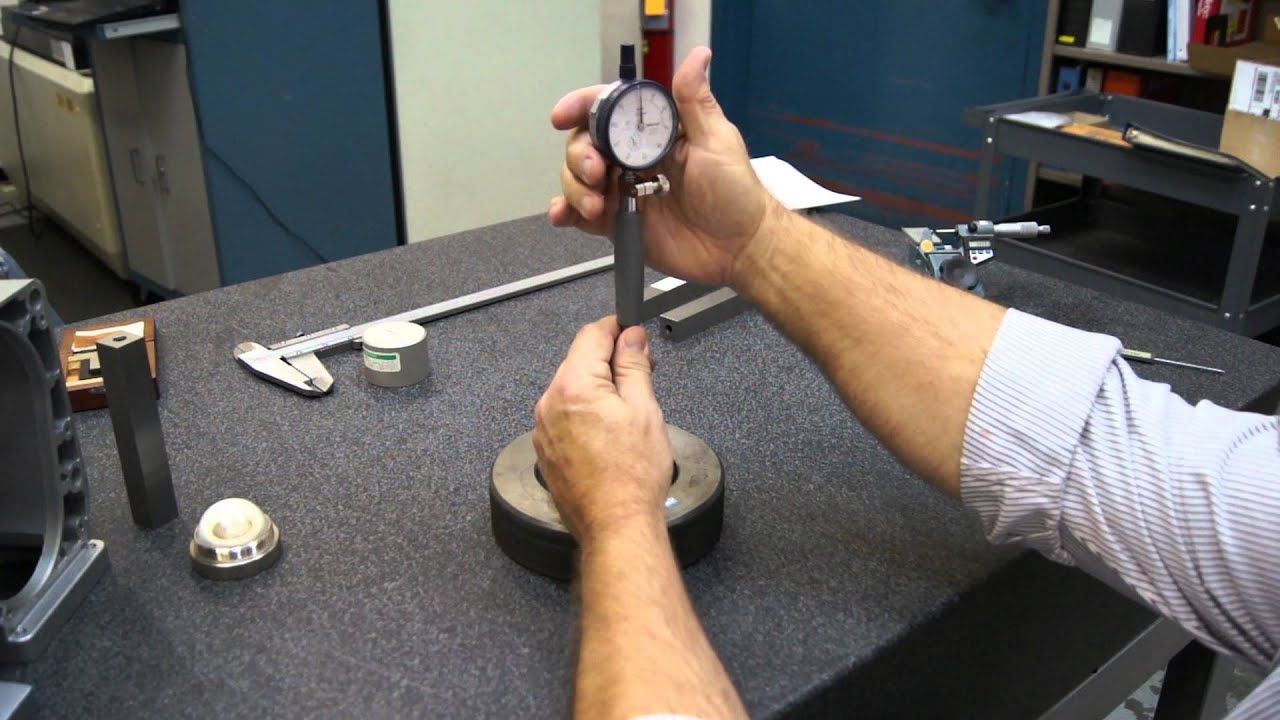

Force measurement underpins critical quality control decisions across manufacturing, aerospace, automotive, medical device production, and construction industries. When force gages drift out of calibration, the ripple effects extend from rejected products to structural failures, warranty claims, and potential safety incidents. Understanding the importance of proper force gage calibration and implementing rigorous calibration programs separates organizations that consistently deliver quality from those that struggle with measurement-related failures.
The Foundation of Force Measurement
Force gages measure push and pull forces in applications ranging from fastener torque verification to material tensile strength testing. Digital force gages have largely replaced mechanical dial indicators, offering improved accuracy, data logging capabilities, and better resolution. However, regardless of technology, all force measuring instruments share a common vulnerability: measurement drift over time.
Mechanical stress, temperature variations, electrical component aging, and simple wear cause force gages to lose accuracy. A force gage reading 100 pounds might actually be measuring 97 or 103 pounds after months of service. In applications with tight specification limits, this seemingly small error translates to accepting defective products or rejecting acceptable ones—both scenarios carry significant costs.
Common Force Gage Applications and Their Tolerances
Manufacturing operations use force gages throughout production processes. Assembly operations verify that component press fits meet specification, ensuring proper interference without damage. Spring manufacturers test compression and extension forces to confirm products meet design requirements. Medical device producers measure catheter insertion forces and surgical instrument closure forces where excessive force could harm patients.
Each application demands different accuracy requirements. General manufacturing might accept ±2% measurement uncertainty, while aerospace fastener testing may require ±0.5% or tighter tolerances. Pharmaceutical packaging operations measuring tamper-evident seal strength need consistent accuracy to prevent both under-sealed vulnerable packages and over-sealed containers that patients cannot open.
SIMCO recognizes these varying requirements and provides force measurement calibration services across multiple accuracy levels, allowing organizations to match calibration precision to application criticality. Their calibration capabilities span from low-force measurements in grams to high-capacity load cells measuring thousands of pounds.
The Calibration Process Explained
Force gage calibration involves applying known reference forces and comparing the gage’s indicated reading against calibrated force standards. Calibration laboratories use deadweight testers for low forces and precision load cells verified against NIST-traceable standards for higher capacities. The process typically evaluates multiple points across the gage’s measurement range, often at 20%, 40%, 60%, 80%, and 100% of capacity.
Hysteresis testing applies forces in both increasing and decreasing directions to identify any differences in readings. Repeatability testing applies the same force multiple times to verify consistent measurements. These comprehensive evaluations reveal whether the instrument maintains accuracy specifications or requires adjustment or repair.
Modern digital force gages often allow calibration adjustments through internal electronics. Technicians program correction factors or adjust sensor offset and span to bring readings within specification. Mechanical gages may require physical adjustment of pointer position or, in some cases, replacement of the force-sensing mechanism.
Establishing Appropriate Calibration Intervals
Standard practice suggests annual force gage calibration for most general applications. However, several factors justify more frequent calibration schedules. Instruments used in high-volume testing experience more wear and may require quarterly or semi-annual calibration. Force gages subjected to overload conditions—forces exceeding their rated capacity—should undergo immediate calibration verification before returning to service.
Environmental factors also influence calibration stability. Gages used in extreme temperatures, high humidity, or corrosive atmospheres may drift faster than those in controlled laboratory conditions. Organizations should monitor calibration history to identify instruments requiring shorter intervals based on observed performance trends.
SIMCO’s calibration management systems help organizations track instrument performance over time, identifying patterns that suggest optimal calibration frequencies for each device. This data-driven approach prevents both under-calibration risks and over-calibration waste.
Documentation and Traceability Requirements
Regulated industries including aerospace (AS9100), automotive (IATF 16949), medical devices (ISO 13485), and pharmaceutical manufacturing (FDA regulations) mandate documented calibration traceability. Calibration certificates must identify the force gage, standards used, calibration procedure followed, measurement uncertainty, and whether the instrument met acceptance criteria.
This documentation serves multiple purposes beyond regulatory compliance. During customer audits, calibration records demonstrate measurement system integrity. If product failures occur, calibration history helps determine whether measurement error contributed to the problem. When defending against liability claims, documented calibration programs provide evidence of quality system effectiveness.
The Cost of Calibration Neglect
Organizations that defer force gage calibration face predictable consequences. Inaccurate measurements lead to incorrect accept/reject decisions during quality inspections. Products passing inspection despite being out of specification eventually fail in customer hands, triggering warranty returns, brand damage, and potential liability claims.
Conversely, in-specification products incorrectly rejected due to gage errors waste material, labor, and production time. These false rejection costs accumulate quickly, often exceeding calibration expenses by orders of magnitude. Manufacturing organizations sometimes discover that a single improperly calibrated force gage caused thousands of dollars in unnecessary scrap over just a few months.
Selecting Calibration Services
Organizations should verify their calibration provider maintains ISO/IEC 17025 accreditation specifically for force measurement. Accreditation confirms the laboratory operates according to international standards, maintains measurement traceability to national standards, and undergoes regular assessment by independent auditors.
The provider’s scope of accreditation should cover the force ranges and gage types requiring calibration. Capabilities should include both tension and compression forces across the ranges your instruments measure. Ask about measurement uncertainty to confirm it’s sufficiently small relative to your application tolerances—generally, calibration uncertainty should not exceed one-fourth of the tolerance being measured.
Building Measurement Confidence
Force gage calibration represents an essential investment in product quality and manufacturing efficiency. By maintaining properly calibrated force measuring equipment, organizations make informed decisions based on trustworthy data. This measurement confidence translates directly to reduced scrap, fewer customer complaints, and stronger competitive positioning in markets where quality matters most.
