


Key Takeaways
- The early recovery window after a stroke requires consistent therapy, which makes physiotherapy at home in Singapore an effective option for maintaining regular rehabilitation routines.
- Successful stroke rehabilitation at home usually involves several forms of therapy, including physiotherapy, speech therapy, and occupational therapy, working together to support recovery.
- Families should consider the cost of in-home care for the elderly alongside the physical and emotional demands placed on caregivers during long-term stroke recovery.
Introduction
Deciding to begin stroke rehabilitation at home often happens quickly after hospital discharge, when families must determine how recovery will continue in the weeks and months ahead. In many situations, physiotherapy at home in Singapore becomes the most practical option because patients may struggle with travel, fatigue, or mobility limitations. Recovery does not happen through exercises alone, however. Effective stroke rehabilitation at home depends on careful planning, the right therapy structure, and a realistic understanding of the support required. Before starting this stage of recovery, families benefit from examining several practical factors that influence whether home-based rehabilitation can truly support long-term progress.
1. Intensity and Frequency of Therapy
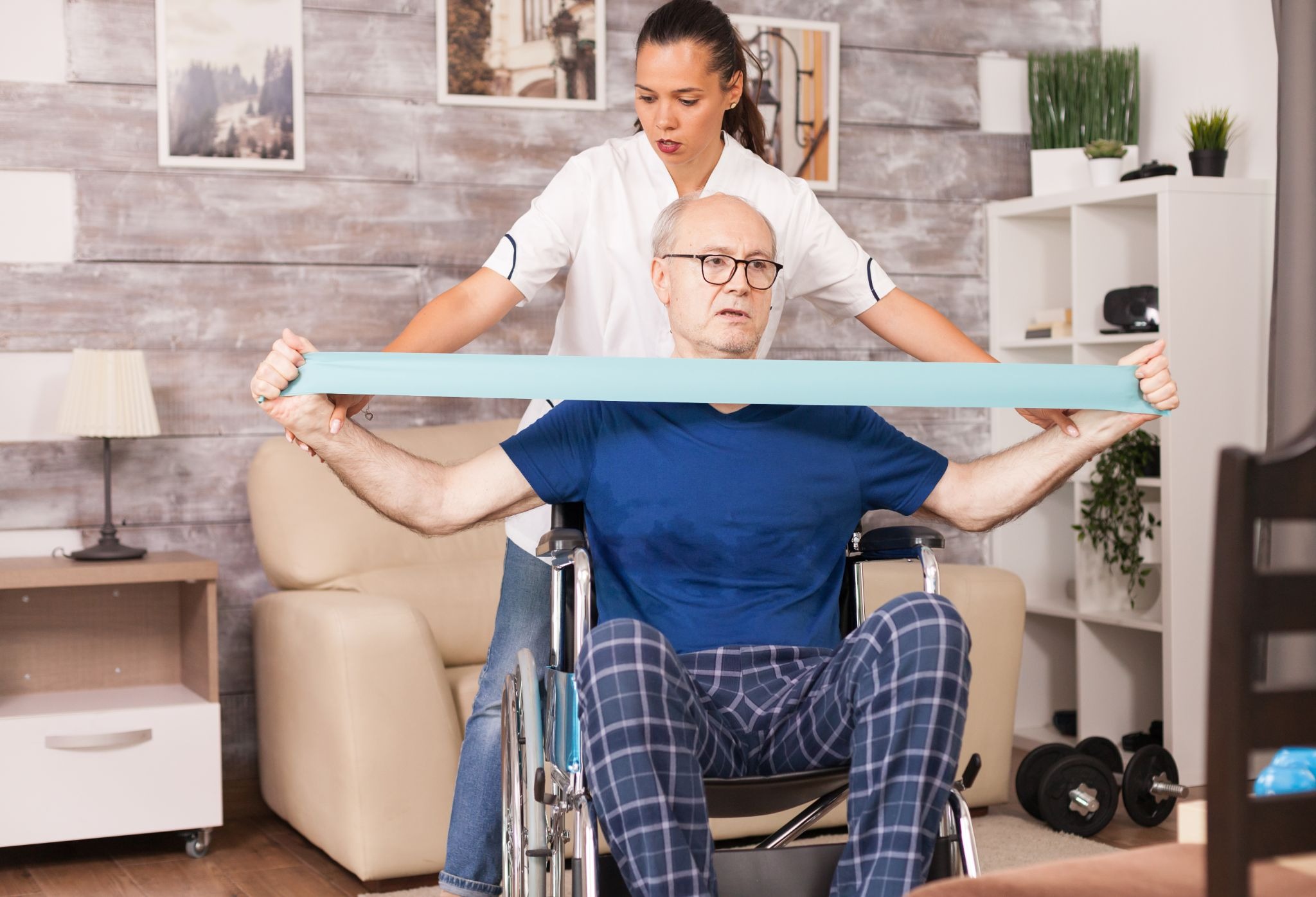
Recovery after a stroke depends heavily on repetition and structured training. Many patients require therapy sessions several times each week to practise movements and rebuild lost functions. Physiotherapy at home in Singapore allows therapists to schedule regular sessions while reducing the physical strain associated with travelling to clinics. Families should still discuss a realistic therapy schedule with a rehabilitation professional, since therapy frequency often changes as recovery progresses.
2. Expertise in Neurological Rehabilitation
Stroke rehabilitation requires a specialised approach that differs from treatment for sports injuries or general musculoskeletal conditions. Neurological physiotherapy focuses on restoring coordination, managing muscle stiffness, and retraining the brain to control movement patterns. When arranging stroke rehabilitation at home, it becomes important to confirm that the therapist has experience in neurological rehabilitation. This expertise helps guide exercises that match the patient’s stage of recovery.
3. Clear and Realistic Recovery Milestones
Stroke recovery rarely follows a straight line. Some days bring visible progress, while other days feel slower or more challenging. Setting small, achievable milestones helps maintain motivation throughout stroke rehabilitation at home. These goals might involve sitting upright independently, holding eating utensils, or taking assisted steps across a room. Gradual progress builds confidence and provides measurable direction for therapy sessions.
4. Understanding the Cost of In-Home Care for the Elderly
Long-term recovery often requires careful financial planning. When evaluating the cost of in-home care for the elderly, families should consider several components of care. Physiotherapy sessions, equipment such as mobility aids, and possible nursing support can all contribute to ongoing expenses. Some families also explore government assistance schemes that help reduce rehabilitation costs while supporting continued therapy.
5. Preparing the Home Environment
A stroke can change how a person moves through familiar spaces. Activities that once felt routine, such as walking across a room or stepping into a bathroom, may suddenly present safety risks. Many physiotherapy programmes at home in Singapore include an environmental review of the patient’s living space. Simple adjustments such as removing loose rugs, installing handrails, and improving lighting can reduce the likelihood of falls and create a safer recovery environment.
6. Access to Multidisciplinary Support
Stroke recovery sometimes affects more than movement. Patients may experience difficulty speaking, swallowing, or performing daily tasks independently. In these cases, stroke rehabilitation at home may involve additional professionals such as speech therapists or occupational therapists. Coordinated care helps address multiple aspects of recovery, allowing therapy sessions to focus on communication, cognitive skills, and everyday independence alongside physical rehabilitation.
7. Emotional and Psychological Well-Being
The emotional impact of a stroke can influence recovery just as strongly as physical symptoms. Patients may experience frustration, loss of independence, or changes in confidence during the rehabilitation process. Remaining at home during recovery can provide comfort, though it may also increase feelings of isolation if social interaction becomes limited. Families often support emotional well-being by maintaining regular routines, encouraging engagement with others, and seeking professional support when necessary. Post-surgical physiotherapy can also support recovery by helping patients rebuild strength, improve mobility, and gradually regain independence through guided rehabilitation exercises.
8. Caregiver Preparation and Support
Family members frequently play a central role during stroke rehabilitation at home. Caregivers assist with exercises, mobility support, and daily routines between therapy visits. Proper training becomes important so that caregivers understand safe techniques for transfers, positioning, and movement assistance. Preparing caregivers for these responsibilities can help maintain consistent rehabilitation while reducing the physical strain associated with long-term care.
Conclusion
Beginning stroke rehabilitation at home requires thoughtful preparation that balances medical guidance, home safety, and the realities of long-term recovery. When physiotherapy at home in Singapore aligns with realistic therapy schedules, supportive caregivers, and safe home environments, patients gain the opportunity to rebuild independence within familiar surroundings. Families who consider therapy, structure, emotional support, and the cost of in-home care for the elderly before starting rehabilitation often find that recovery becomes more organised and manageable over time.
Contact The Home Physio to discuss how structured physiotherapy at home in Singapore can support safe and effective stroke rehabilitation at home.
