

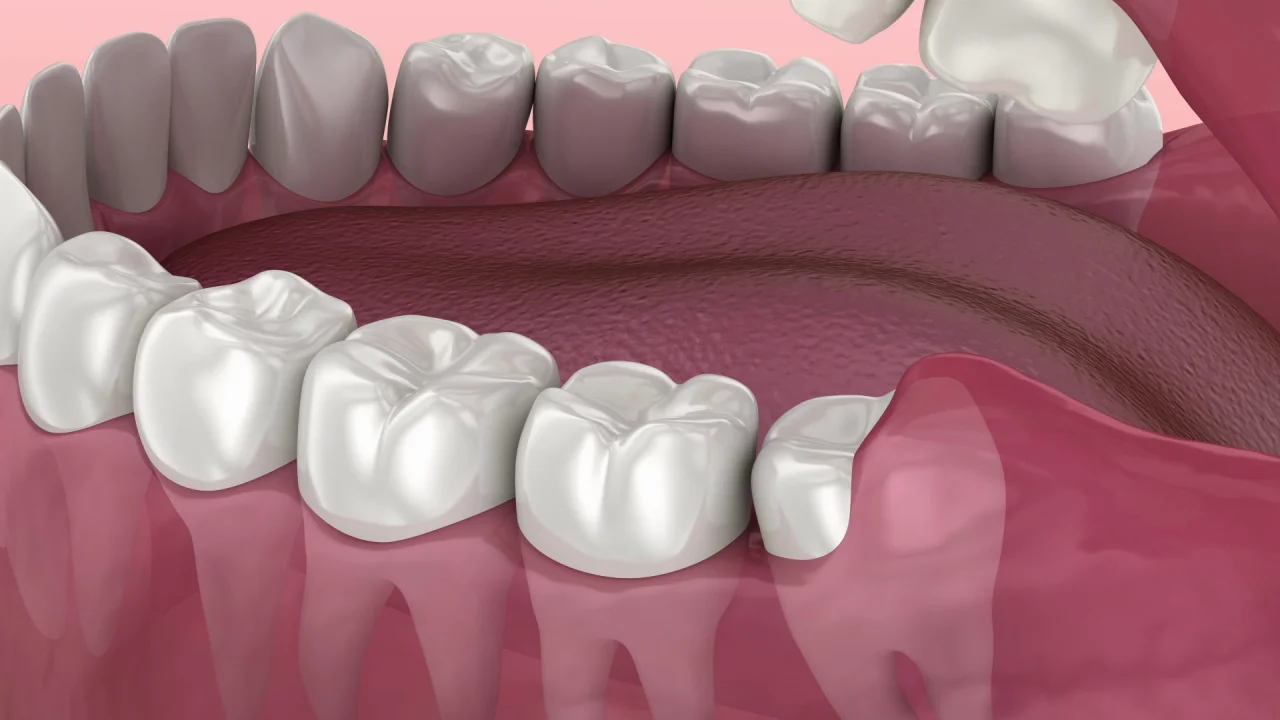

For many people, the late teens or early twenties mark a significant milestone: the arrival of wisdom teeth. Also known as third molars, these are the last set of adult teeth to emerge. In our prehistoric past, these extra molars were necessary for grinding down raw plants, roots, and tough meats.
Warning Signs You Shouldn’t Ignore
Wisdom teeth don’t always announce their arrival with immediate, excruciating pain. Sometimes the symptoms are subtle, creeping up over weeks or months. Other times, the issues are silent, detectable only through X-rays until they become a dental emergency. If you experience any of the following symptoms, it is likely time to schedule an evaluation.
1. Persistent Pain and Sensitivity
The most obvious indicator is pain at the back of the mouth. This can manifest as a dull, throbbing ache behind your existing molars or sharp, shooting pains when you chew or brush. As the wisdom teeth struggle to erupt through the gum line, the pressure can radiate, causing headaches or even earaches. If you notice sensitivity or pain that doesn’t subside after a few days, your new molars are likely the culprit.
2. Inflammation and Gum Infection
When a wisdom tooth only partially breaks through the gum, it creates a flap of skin called an operculum. This area becomes a trap for food particles and bacteria, which are difficult to clean with a standard toothbrush. This can lead to pericoronitis, an infection characterized by swollen, red, and tender gum tissue. You might notice a bad taste in your mouth or persistent bad breath (halitosis) that doesn’t go away with brushing.
3. Stiffness and Jaw Pain
If your wisdom teeth are growing in at an awkward angle, they can put immense pressure on your jawbone and surrounding muscles. This pressure often results in stiffness, making it uncomfortable to open your mouth wide or chew solid foods. In some cases, the swelling can be visible from the outside, changing the contour of your jawline.
4. Sinus Problems
It might seem unrelated, but your oral health is closely connected to your sinuses. The roots of your upper wisdom teeth develop just below the sinus cavity. As these teeth grow, the roots can put pressure on the sinuses, leading to congestion, pressure, and headaches. If you are experiencing frequent sinus issues without a cold or allergies, consult your dentist to rule out dental causes.
5. Damage to Nearby Teeth
Perhaps the most frustrating consequence of overcrowding is the damage wisdom teeth can inflict on years of orthodontic work. As they push forward to find room, they can displace your second molars, causing crowding in the front teeth. This shift can ruin the straight smile achieved through braces. Furthermore, the tight spaces created between the wisdom tooth and the adjacent molar are prone to cavities, as floss cannot easily reach these spots.
Understanding Impacted Wisdom Teeth
You will often hear dentists refer to wisdom teeth as being “impacted.” This term simply means the tooth has become trapped within the jawbone or gums and cannot erupt properly. Impaction is incredibly common and is the primary reason for removal.
There are varying degrees of impaction. A tooth might be “soft tissue impacted,” meaning it has cleared the bone but is stuck under the gum. “Bony impaction” occurs when the tooth is still encased partially or fully within the jawbone.
The orientation of the tooth matters as well. Some grow horizontally, pushing directly into the roots of the adjacent molars. Others grow angled inward or outward. When a tooth is impacted, it can develop cysts—fluid-filled sacs that form around the tooth. These cysts can hollow out the jawbone and damage nerves. In rare, untreated cases, benign tumors can develop, requiring surgery to remove tissue and bone. Because the potential for long-term damage is high, dentists often recommend removing impacted teeth even if they aren’t currently causing pain.
The Removal Process: What to Expect
The thought of oral surgery can be anxiety-inducing, but wisdom tooth removal is a standard, routine procedure. Understanding the steps involved can help alleviate fears and prepare you for a smooth recovery.
The Consultation and Surgery
Your journey begins with X-rays. These images allow your dental professional to see exactly where the roots are located and how the teeth are angled. Based on the complexity of the extraction, you might see a general dentist or be referred to a specialist. For example, difficult impactions are often handled by oral surgeons like those in Salt Lake City who specialize in navigating complex nerve pathways and bone structures.
On the day of the surgery, you will receive anesthesia. Options typically range from local numbing (where you remain awake but feel no pain) to IV sedation or general anesthesia (where you sleep through the procedure). The surgeon will make an incision in the gum to expose the tooth and bone. If the tooth is impacted, they may remove it in pieces to minimize the amount of bone that needs to be removed. The site is then cleaned and often stitched shut to aid healing.
The Recovery Phase
Recovery varies from person to person, but most people feel back to normal within three to four days. Here is what typically happens post-surgery:
- Immediate Aftermath: You may experience swelling and mild discomfort. Ice packs applied to the outside of the cheek are your best friend during the first 24 hours.
- Diet: Stick to soft foods like yogurt, applesauce, and mashed potatoes. Avoid using straws, as the sucking motion can dislodge the blood clot forming in the socket, leading to a painful condition known as dry socket.
- Oral Hygiene: Gentle rinsing with saltwater helps keep the area clean, but vigorous spitting should be avoided.
- Rest: Your body heals best when you rest. Avoid strenuous exercise for a few days to keep your blood pressure stable and prevent bleeding.
While “chipmunk cheeks” and a diet of pudding aren’t exactly fun, the temporary inconvenience is far better than the chronic pain and dental misalignment that comes with keeping problem teeth.
Conclusion
Ignoring the signs of problematic wisdom teeth rarely makes the issue disappear. In fact, waiting often complicates the extraction process. As we age, the roots of our teeth continue to grow and the jawbone becomes denser, making removal more difficult and recovery longer.
