

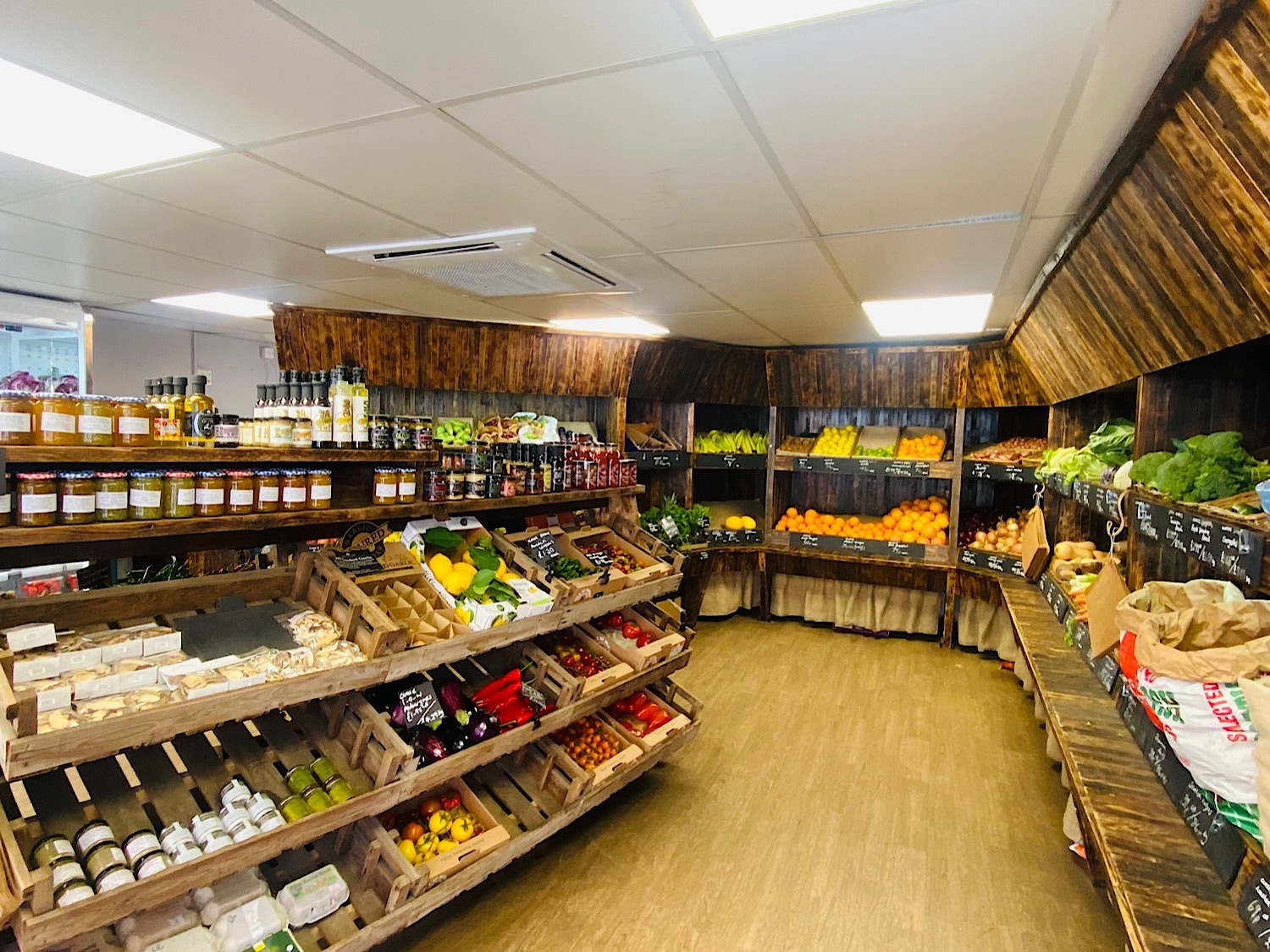

The hospitality landscape in the East Midlands is currently navigating a period of profound transition. While the sector remains a cornerstone of the regional economy, the operational hurdles for businesses in 2026 have become increasingly complex. From the bustling high streets of Derby to the strategically positioned eateries in Sandiacre, cafes, restaurants, and care homes are finding that their success is no longer dictated solely by their front-of-house service, but by the robustness of their supply chain.
In this high-pressure environment, the role of food wholesalers Derbyshire has shifted from mere vendors to strategic partners. As operational costs—particularly labour and energy—remain high, the efficiency of a business’s grocery procurement is often the difference between a sustainable margin and a deficit.
The Surging Demand in Sandiacre and Derbyshire
The demand for high-quality, fresh provisions across the county is on a clear upward trajectory. Several factors contribute to this: a resilient local “staycation” market in the Peak District, a growing urban population in the city centres, and the rise of Sandiacre as a logistical and residential hub. As more people seek authentic dining experiences and high-quality prepared meals, the pressure on hospitality venues to deliver consistent quality has intensified.
However, this increased demand is met with the reality of a volatile market. For a Food service groceries supplier Sandiacre establishments rely on, the challenge lies in balancing volume with the precision required for “just-in-time” delivery. The geographical advantage of Sandiacre, situated near the M1 corridor, makes it a prime location for distribution, but it also places businesses there in a competitive fight for the freshest stock.
The Critical Cost of Logistics and Product Quality
In the hospitality industry, timing is everything. A delay of just two hours in a morning delivery can derail an entire day’s trade for a local cafe. If the bread for the lunchtime rush isn’t fresh, or if the dairy products have a short shelf-life due to poor storage during transit, the business suffers an immediate financial blow.
Stale products or late arrivals lead to “wastage spikes” and “menu shrinkage.” When a chef has to strike an item off the menu because a key ingredient is missing or sub-par, it isn’t just a lost sale; it is a damaged reputation. In an age where digital reviews are instantaneous, one “off” meal can have long-lasting consequences for a brand’s local standing. For food wholesalers Derbyshire based businesses partner with, the standard is no longer “satisfactory delivery” but “perfect delivery.”
Beyond the Plate: Hospitals, Schools, and Care Homes
The hospitality sector is often associated with leisure, but some of the most critical wholesale partners in the Midlands are within the public and care sectors. Hospitals and care homes operate under strict nutritional guidelines and non-negotiable meal schedules. For these institutions, the reliability of a Food service groceries supplier Sandiacre serves is a matter of patient and resident welfare.
Freshness in these contexts is not a culinary preference but a nutritional necessity. Produce that has spent too long in transit or in a warehouse loses its vitamin content and sensory appeal, which are vital for recovery and quality of life in care settings. A responsible wholesaler understands that their role extends into the community’s well-being, ensuring that every delivery meets the highest standards of food safety and nutrient density.
Competitive Margins and the “Freshness Advantage”
As we move through 2026, the competitive edge for Midlands businesses is increasingly found in their “waste-to-profit” ratio. With the National Living Wage and food inflation putting pressure on the bottom line, establishments cannot afford to absorb the cost of spoiled goods.
When a business works with a reliable regional partner like Mason Foods, they can maintain a leaner inventory. If you are confident that your food wholesalers derbyshire deliveries will arrive on time and in peak condition, you do not need to over-order “just in case.” This reduces the amount of capital tied up in stock and significantly lowers the risk of items reaching their expiration date before they can be used. This operational agility is what allows a local restaurant to keep its prices competitive while maintaining high-quality standards.
The Digital Integration of Wholesale
A significant shift in 2026 is how digitalisation has allowed local wholesalers to compete with national giants. By using real-time inventory tracking and transparent ordering portals, a Food service groceries supplier Sandiacre can provide the same level of data accuracy as a multi-national distributor, but with the added benefit of local knowledge.
Knowing the local traffic patterns of the A52 or the specific delivery requirements of a rural Peak District pub is something a national algorithm often misses. The combination of digital precision and local expertise allows regional wholesalers to offer a “concierge” level of service that protects the margins of their partners.
Conclusion: A Strategic Partnership for 2026
The challenges facing the Derbyshire and Sandiacre hospitality sectors are undeniable, but they are not insurmountable. The path to profitability in 2026 lies in the strength of the partnership between the kitchen and the supplier.
Choosing a partner like Mason Foods is about more than just buying groceries; it is about securing the operational backbone of a business. By prioritising on-time delivery, fresh regional produce, and transparent digital communication, local hospitality venues can navigate the current economic climate with confidence, ensuring that their “main character” remains their food and service, rather than their supply chain woes.
