

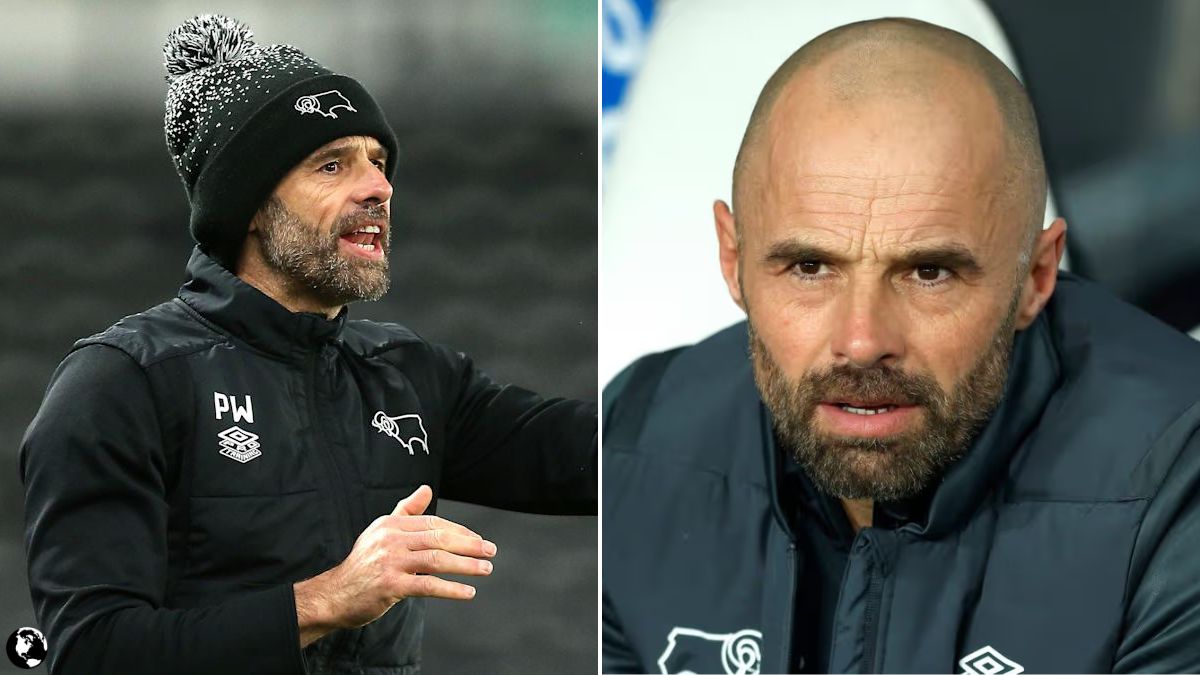

English football has long relied on managers who understand the realities of the lower leagues. Paul Warne belongs firmly in that category. His career, shaped by effort rather than celebrity, reflects a consistent belief in discipline, unity, and resilience.
From his days as a hard-running midfielder to his reputation as a promotion specialist, Warne’s journey has been built on substance. Each stage of his career reveals a leader who values structure, accountability, and collective responsibility over individual spotlight.
Early Life and Playing Career
Paul Warne was born in 1973 and developed his professional football career through persistence rather than hype. As a midfielder, he built a reputation for work rate, physical endurance, and tactical discipline.
He represented clubs including Wigan Athletic, Rotherham United, Oldham Athletic, and Yeovil Town. Though he did not play at the very top tier of English football, he gained something equally valuable: a deep understanding of the demands placed on players competing in physically intense divisions.
His style relied on pressing, covering space, and contributing defensively as much as offensively. Teammates often highlighted his reliability and commitment. Those traits later shaped his managerial outlook.
Lower-league football is unforgiving. Warne experienced relegation battles, financial uncertainty, and the grind of long seasons. That exposure formed the foundation of his practical approach to leadership.
Transition into Coaching
After retirement, Warne moved into coaching within the Rotherham United system. The shift from dressing-room presence to tactical architect required adjustment, but his communication skills eased the transition.
He did not adopt an authoritarian persona. Instead, he focused on clarity and directness. Players understood where they stood. Expectations were defined early and reinforced consistently.
When he stepped into first-team management, he inherited instability. Rather than overhauling everything at once, he prioritized organization. Training intensity increased. Defensive shape tightened. Fitness standards rose.
This measured approach allowed the squad to stabilize before pushing forward competitively.
Rotherham United and Repeated Promotion Success
Warne’s defining achievements came at Rotherham United. Across multiple seasons, he guided the club to promotion from League One to the Championship more than once. That level of repeated success is rare.
Building a Competitive Identity
His teams shared common characteristics:
- Compact defensive structure
- Direct attacking transitions
- Aggressive pressing in midfield
- Strong set-piece routines
- High physical conditioning standards
Rather than relying on individual brilliance, he built systems that maximized collective output. Rotherham became known for resilience and late-game intensity.
Promotion campaigns require consistency over long seasons. Warne’s squads rarely appeared distracted by external pressure. Preparation remained grounded in incremental improvement.
Managing Relegation and Rebuilding
The Championship presented financial disparities. When relegation occurred, rebuilding began immediately. Warne demonstrated composure during transitions, reinforcing belief rather than dwelling on setbacks.
His ability to regroup quickly after demotion strengthened his reputation. Clubs recognized his capacity to organize squads efficiently within budget constraints.
Derby County: Managing Pressure and Expectation
The move to Derby County introduced a different environment. The club’s history and fan base intensified scrutiny. Financial complications and squad turnover added complexity.
Warne approached the challenge methodically. Defensive organization came first. Team culture followed. Promotion objectives were clear but not publicly dramatized.
Results fluctuated, as they often do in competitive divisions. Periods of inconsistency sparked debate about his future. In professional football, managerial security depends heavily on short-term performance.
Despite speculation, his public stance remained consistent. He emphasized accountability and avoided deflecting criticism. That steadiness maintained internal stability even when external narratives shifted.
MK Dons Head Coach: A New Chapter
Paul Warne appointment as MK Dons head coach marked another transitional phase. The club sought direction, structure, and renewed competitiveness.
His track record made him a logical choice. MK Dons required leadership grounded in league experience rather than experimentation. Warne’s understanding of squad building and promotion campaigns aligned with those needs.
Immediate Priorities at MK Dons
The initial focus included:
- Reinforcing defensive shape
- Increasing physical intensity
- Establishing clear tactical roles
- Strengthening dressing-room cohesion
Rather than dramatic stylistic shifts, the emphasis centered on reliability. Training sessions reflected controlled intensity and tactical repetition.
His arrival signaled a commitment to long-term stability rather than reactive decision-making.
Tactical Identity and Leadership Philosophy
Warne’s managerial style is pragmatic. He values systems that function under pressure. His teams rarely dominate possession for its own sake. Instead, they prioritize efficiency.
Core Tactical Principles
- Defensive compactness between lines
- Midfield pressing triggers
- Rapid transitions into wide areas
- High-energy forwards
- Set-piece discipline
Physical fitness plays a central role. Conditioning underpins late-game resilience, allowing teams to maintain tempo deep into matches.
Communication and Player Relationships
Players consistently describe his communication as transparent. Expectations are defined clearly. Constructive criticism is delivered directly.
He avoids theatrical motivation. Instead, he reinforces shared responsibility. This relational approach strengthens trust during difficult periods.
Warne’s background as a lower-league player enhances credibility. He understands the pressures his squad faces because he once faced them himself.
Salary, Net Worth, and Professional Standing
Managerial earnings in the English Football League vary based on division, club size, and performance bonuses. While exact figures are private, Warne’s compensation reflects his experience and success record.
Estimated Salary Structure
Senior League One and Championship managers typically earn structured salaries that include:
- Base annual compensation
- Promotion bonuses
- Performance incentives
His long tenure across competitive clubs suggests financial stability consistent with established managerial status.
Net Worth Considerations
Net worth accumulates from playing contracts, managerial agreements, and potential bonus structures. While not comparable to Premier League earnings, sustained employment at respected clubs indicates solid professional standing.
Financial discussions remain secondary to his professional identity. His value within clubs stems from performance outcomes rather than headline figures.
Handling Setbacks and Public Scrutiny
Football management inevitably involves pressure. Losing streaks amplify criticism. Promotion misses intensify frustration.
During such periods, Warne has maintained a consistent public posture. He does not isolate players from accountability, but he does shield them from excessive blame.
This balance matters. Dressing rooms fracture quickly when leadership wavers. Stability during adversity often determines long-term results.
Search spikes and speculation are common in modern football ecosystems. Yet performance cycles fluctuate naturally. His history shows a pattern of recovery after downturns.
Long-Term Legacy
At just over fifty years of age, Warne remains in a phase where further achievements are plausible. His legacy already includes multiple promotions and a reputation for reliability.
He has demonstrated:
- Adaptability across clubs
- Commitment to structured development
- Emotional steadiness during scrutiny
- Tactical pragmatism suited to competitive divisions
The next phase will determine whether he consolidates success at MK Dons or pursues higher-division challenges.
Regardless of future appointments, his contribution to English Football League management is firmly established. He represents a managerial archetype grounded in experience rather than image.
Conclusion
Paul Warne journey reflects steady advancement through dedication and discipline. As a player, he embodied effort. As a manager, he builds systems anchored in resilience and collective strength.
From repeated promotions at Rotherham United to navigating pressure at Derby County and stepping into leadership at MK Dons, his career illustrates the value of structure and authenticity.
Financial discussions and public speculation form part of modern football, yet they do not define his professional character. His identity rests on preparation, accountability, and trust within the dressing room.
In a sport often driven by volatility, Warne’s consistency remains his defining strength.
FAQs
1. What clubs has Paul Warne managed?
He has managed Rotherham United, Derby County, and later became head coach of MK Dons.
2. What is his greatest managerial achievement?
Multiple promotions from League One to the Championship with Rotherham United stand out as his most significant accomplishments.
3. What style of football does he prefer?
His teams focus on defensive structure, pressing intensity, direct transitions, and physical conditioning.
4. Has he faced dismissal speculation during his career?
Like most managers, he has faced scrutiny during poor runs of form, particularly at larger clubs with higher expectations.
5. What defines his leadership approach?
Clear communication, accountability, strong conditioning standards, and an emphasis on team unity define his management style.
